Gold prices have experienced a slight decline, falling to around $4,446.50 per ounce as of the latest trading session, continuing the downward pressure from previous sessions. According to FxStreet and CoinMarketCap, this decline follows hawkish remarks by Fed Chair Kevin Warsh at last Friday's Jackson Hole symposium, coupled with escalating U.S.-Iran tensions and a sharp rise in oil prices that intensified inflation concerns and raised expectations for rate hikes. The metal touched its lowest level since August 19 during the session, though it still managed to post a monthly gain of 9.94%, marking its best monthly performance since January. As per Stone X's senior market strategist, rising interest rates, higher inflation expectations, continued upward pressure on U.S. Treasury yields, and a stronger dollar have collectively exerted downward pressure on gold prices.
The CME FedWatch tool shows that the probability of a 25-basis-point rate hike in September has exceeded 65%, a dramatic increase from approximately 36% before Warsh's remarks at the Jackson Hole symposium. According to The Economic Times, Fed Chief Kevin Warsh delivered sharp reminders at the symposium, stating the central bank still had 'work to do' and pointing to the possibility of rate hikes at upcoming meetings this year. The shift in rate expectations was immediate, with nearly 60% of traders now expecting the Fed to raise rates in September, up from 30% before Warsh's remarks. As per Rediff Moneynews, Warsh also said that short-term interest rates could be effective in reining in inflation and that Fed officials have to act if inflation failed to fall soon, lifting expectations of a rate hike and triggering further profit-booking in precious metals.
Escalating U.S.-Iran tensions have significantly impacted market sentiment and commodity prices, with the geopolitical conflict near the Strait of Hormuz pushing oil prices above $90 for Brent crude. According to FxStreet and CoinMarketCap, U.S. crude oil rose to $86.36 per barrel as the U.S. and Iran resumed military strikes after the U.S. targeted Iranian launchers on Larak Island. Iran's Revolutionary Guard launched missiles at two U.S. air bases in Jordan, prompting Trump to vow "a heavy blow." The escalating geopolitical tensions have further intensified inflation concerns and pushed up bond yields, as investors continued to digest the hawkish remarks made by Federal Reserve Chair Powell at the Jackson Hole symposium. Oil prices rose following these strikes, with energy stocks leading gains as Halliburton and Valero Energy both up 1.9%.
While gold faces pressure from rising yields and geopolitical tensions, silver has edged up modestly to $66.36 per ounce, showing resilience amid the current market conditions. According to FxStreet and CoinMarketCap, this divergence reflects silver's ability to benefit from the same safe-haven demand that supports gold, while also capitalizing on industrial applications and growth potential. The precious metals market continues to be influenced by U.S. stock markets closing lower as investors react to these developments, with key upcoming U.S. economic data releases this week expected to further influence market direction. Gold remains supported by safe-haven demand but capped by higher yields and rate hike expectations, creating a complex dynamic where precious metals face mixed pressures from both safe-haven flows and monetary policy concerns.
Central bank demand for gold has reached unprecedented levels, with the World Gold Council reporting that central banks purchased 288.9 tonnes of gold in the second quarter, marking a 62% increase from a year earlier. According to the council's Central Bank Gold Reserves Survey, 89% of respondents expect global reserves to increase over the next year, while a record 45% expect to raise their own holdings. South Korea has now joined the trend, with its central bank returning to the gold market after 13 years, reinforcing sustained official-sector demand. As per The Economic Times, central banks remain on course for another strong year of net purchases, with central bank demand expected to remain above its long-term average.
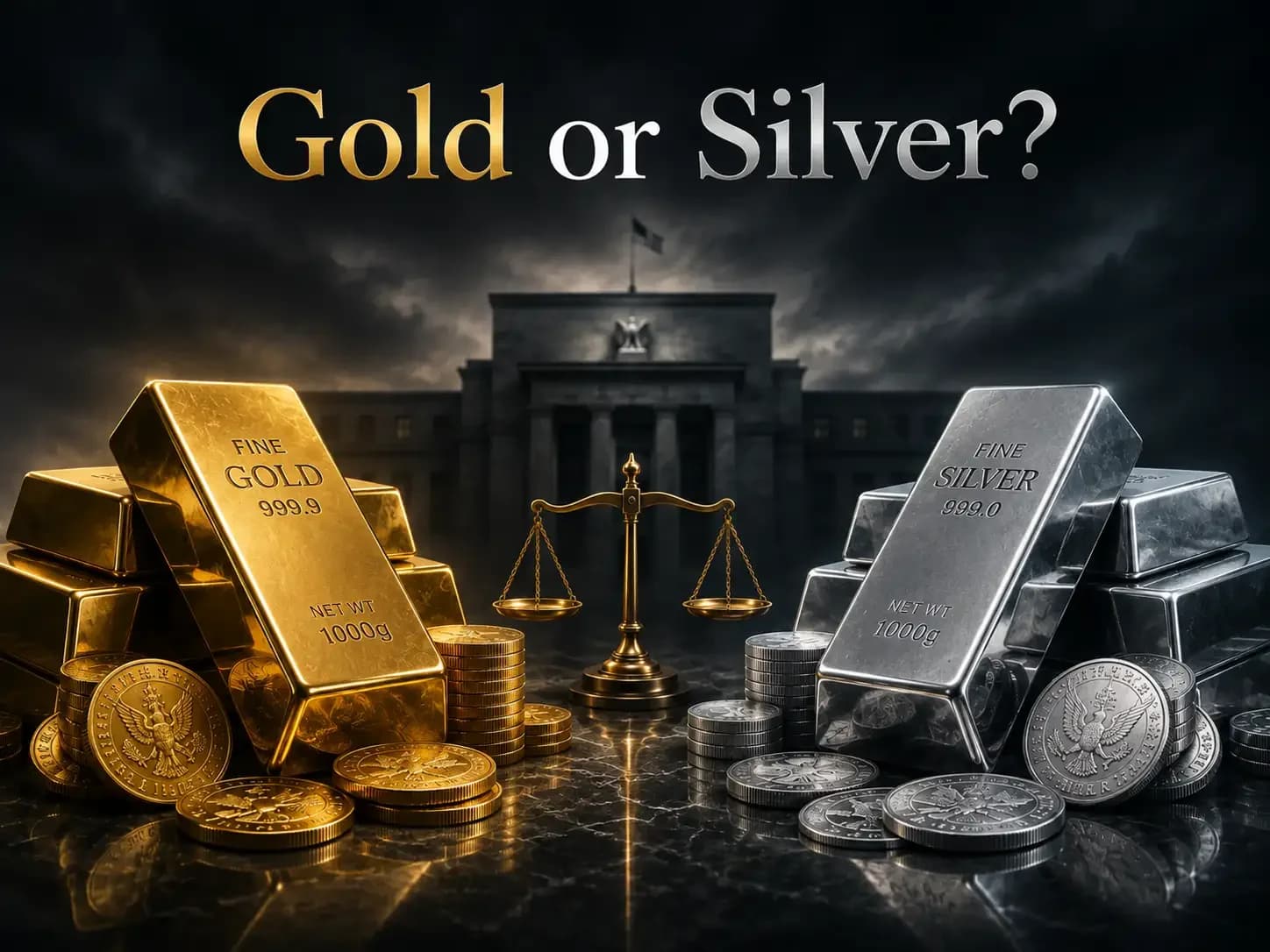
Experts suggest a balanced allocation strategy combining gold's stability with silver's growth potential, with current market conditions supporting this approach. According to The Economic Times, both metals benefit from a weaker US dollar, geopolitical uncertainties and expectations of monetary easing, but gold has stronger fundamentals due to sustained central bank buying and safe-haven appeal. As per Rediff Moneynews, Gaurav Garg, Head of Research at Lemonn Markets Desk, noted that gold prices remained under pressure after Warsh's hawkish speech increased expectations of an interest rate hike in September meeting. The bullion market also took cues from rising oil prices after fresh US-Iran military strikes, with higher energy rates adding to inflation concerns and potentially strengthening the case for tighter monetary policy. Experts recommend staggered buying over chasing prices higher, given the sharp one-month rally and risks ahead, while precious metals remain in a structurally positive cycle despite near-term volatility concerns.