Silver and gold exchange-traded funds witnessed significant declines on June 25, 2026, with silver ETFs falling nearly 4% and gold ETFs dropping over 2%. According to INVasset PMS, the correction reflects a broader shift in market expectations rather than just a fall in bullion prices. As per Harshal Dasani, Business Head at INVasset PMS, "The correction in gold and silver ETFs is not just a bullion price move; it is a reset in the rate trade." Silver ETFs underperformed gold ETFs because silver carries both precious-metal demand and industrial-demand expectations, making it more sensitive to liquidity tightening and risk appetite changes. The weakness mirrored the sharp correction in silver futures following sustained selling pressure earlier in the week.
Gold and silver prices witnessed sharp volatility on June 25, 2026, recovering from steep early losses as bargain buying emerged despite pressure from a stronger dollar. According to reports from Business Standard, at the start of trade, gold on the global Comex market slipped below $4,000 an ounce for the first time in 7 months, while silver fell to its lowest level of 2026. However, both metals later recovered and traded higher during the session. In morning trade, MCX gold futures were down 0.16% at ₹1,41,220 per 10 grams, while MCX silver futures traded 0.96% lower at ₹2,11,710 per kg. Despite the rebound, silver prices have fallen by around ₹17,000 per kg over the first four trading sessions of the week. Silver witnessed heightened volatility at the opening bell, with the July futures contract initially dropping by nearly ₹3,000 to around ₹2.10 lakh per kg before recovering above ₹2.15 lakh per kg.
In the domestic market, gold futures opened lower on the Multi Commodity Exchange (MCX). The benchmark August gold contract opened at ₹140,543 per 10 grams, down from the previous close of ₹141,270. By 5:20 pm on Thursday, the contract had recovered to trade at ₹141,789, up ₹519 from the previous close. During the session, it touched an intraday high of ₹142,548 and a low of ₹140,543. Gold futures had previously touched a record high of ₹180,779 per 10 grams earlier this year. Silver futures also opened on a weak note, with the benchmark July silver contract on MCX opening at ₹210,308 per kg, down ₹2,767 from the previous close of ₹213,075. Despite the rebound, the metal remained about ₹5,200 per 10 grams below last Friday's closing level.
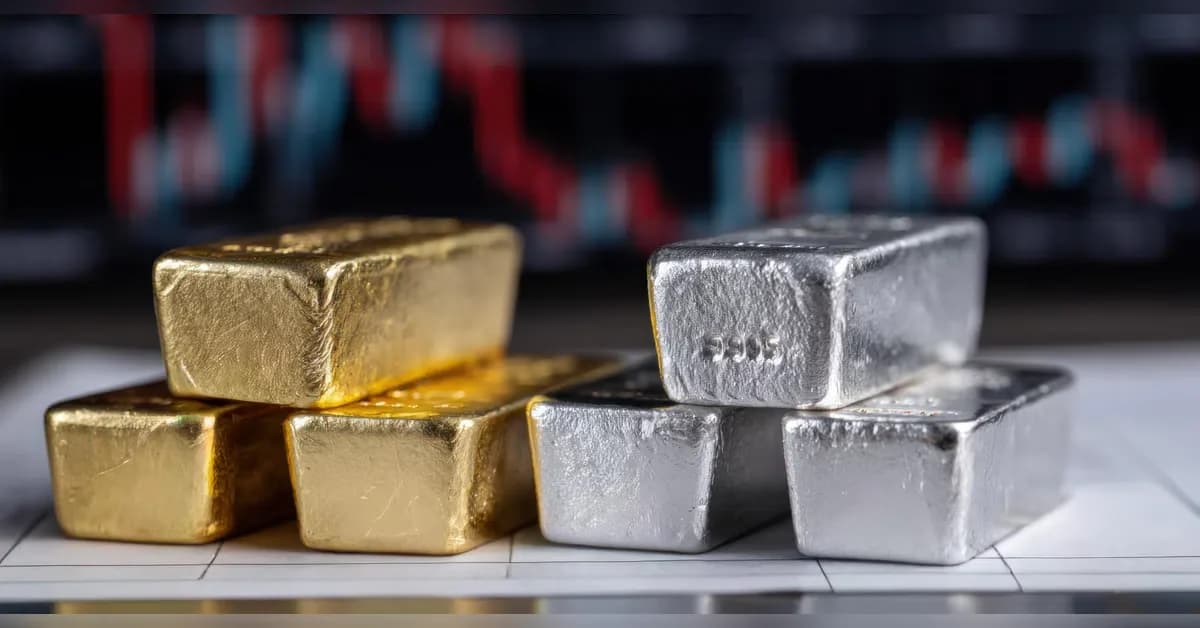
Silver-backed ETFs bore the brunt of the selloff, with major schemes declining significantly. Nippon India Silver ETF (SilverBeES) declined 4.22% to ₹204.34, while SBI Silver ETF fell 4.18% to ₹209.34. ICICI Prudential Silver ETF slipped 4.08% to ₹213.39 and Tata Silver ETF declined 3.74% to ₹20.85. Other gold ETFs also traded in the red, with ICICI Prudential Gold ETF falling 2.11% to ₹110.02, SBI Gold ETF declining 2.12% to ₹118.67, Nippon India ETF Gold BeES slipping 2.03% to ₹115.17, and Tata Gold ETF down 2.01% at ₹13.57. According to INVasset PMS, "Silver needs even more discipline because its moves are amplified by positioning and industrial-cycle expectations."
Despite the recovery in domestic markets, gold and silver futures continued to trade weak in international markets. On Comex, spot gold recently moved below the $4,000-per-ounce mark for the first time in 7 months, with the precious metal remaining under pressure as the US dollar stayed firm and investors increased bets that the US Federal Reserve could raise interest rates later this year to combat persistent inflation. The weakness reflects continued pressure on gold prices across domestic and global markets. A firm US dollar and growing expectations of further US Federal Reserve interest rate hikes have weighed on demand for non-yielding assets such as gold and silver. Higher interest rates increase the opportunity cost of holding precious metals, while a stronger dollar makes dollar-denominated bullion more expensive for overseas buyers, reducing global demand. Commenting on the selloff, Harshal Dasani noted that "When the market starts pricing higher real rates, non-yielding assets face valuation pressure." He emphasized that "This is a volatility reset, not a collapse in the long-term bullion thesis." Market participants continue to monitor developments in the global macroeconomic environment, including central bank policy, inflation trends, and currency movements.