Gold prices gained momentum on Monday, rising more than 1% to $4,559.29 per ounce as the U.S. dollar weakened, making greenback-priced bullion more affordable for holders of other currencies. According to Reuters, U.S. gold futures for June delivery gained 0.8% to $4,560.30, supported by easing oil prices as investors weighed prospects of a breakthrough in U.S.-Iran peace negotiations. The dollar's decline provided a welcome boost to precious metals, with spot gold up 1.1% as markets responded to potential progress in the three-month-old war. As KCM Trade's chief market analyst Tim Waterer noted, "Trump has been raising market hopes for some sort of deal with Iran, which could lead to the reopening of the Strait of Hormuz. That prospect has weighed on oil prices and, by extension, given gold a welcome lift from an inflation perspective."
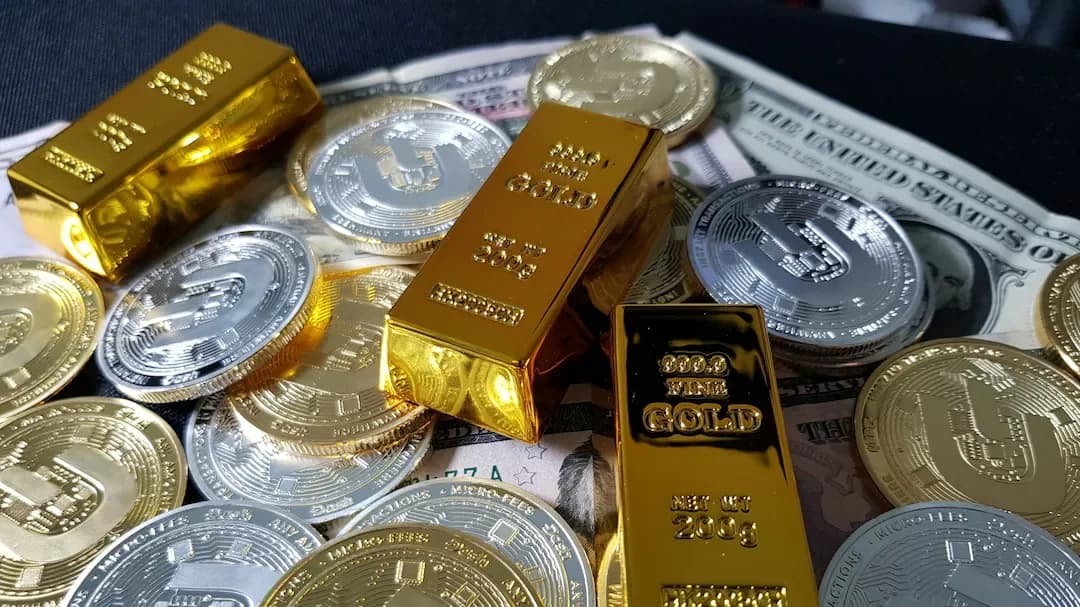
Among gold-focused funds, SPDR Gold Shares (GLD) ETF is down 1.3% to roughly $418, while iShares Silver Trust (SLV) ETF is off 2.3% near $67 as the market reassesses the impact of Strait of Hormuz disruption on inflation and rates. As reported by The Economic Times, SBI Gold ETF traded at ₹134.70, rising 0.12 points or 0.09%, while HDFC Gold ETF gained 0.10 points or 0.07% to ₹134.90. The performance across these major gold ETFs reflects the broader pullback in precious metals, with bullion futures slipping below $4,600 per troy ounce after falling more than 12% since the Iran war began. Despite the recent decline, GLD is still up 42% over the past year, and SLV has more than doubled with a 132% gain.
Oil prices experienced significant declines on Monday, hitting two-week lows as markets responded to optimism that the U.S. and Iran were moving closer towards a peace deal. According to Reuters, oil prices influence inflation expectations, with elevated crude fueling inflation and keeping interest rates higher for longer. While gold is seen as an inflation hedge, higher rates tend to weigh on the non-yielding metal, creating a complex dynamic in the current market environment. The same supply shock rattling energy markets that previously created pressure on bullion is now providing relief as geopolitical tensions ease, though the VIX near 17, down roughly 31% over the past month, tells the story of normalized fear levels as capital rotates toward yield-bearing assets.
Both metals remain in key trading ranges, with the pullback looking more dramatic than underlying fundamentals suggest. The decline in oil prices continues to reduce inflation concerns and lessens pressure on the Federal Reserve to raise interest rates, but the current environment of 30-year Treasury yields at 5.1% and 10-year rates at 4.4% is creating headwinds for precious metals. Wall Street analysts remain cautiously optimistic, with Goldman Sachs targeting higher gold prices into year-end and JPMorgan identifying $4,400 to $4,600 as a strong support zone. The reopening of the Strait of Hormuz remains the clearest near-term catalyst that would ease oil prices and allow real-rate pressures to cool, while this week's energy headlines and the next CPI print will determine whether today's selloff represents a buying opportunity or the beginning of deeper consolidation.