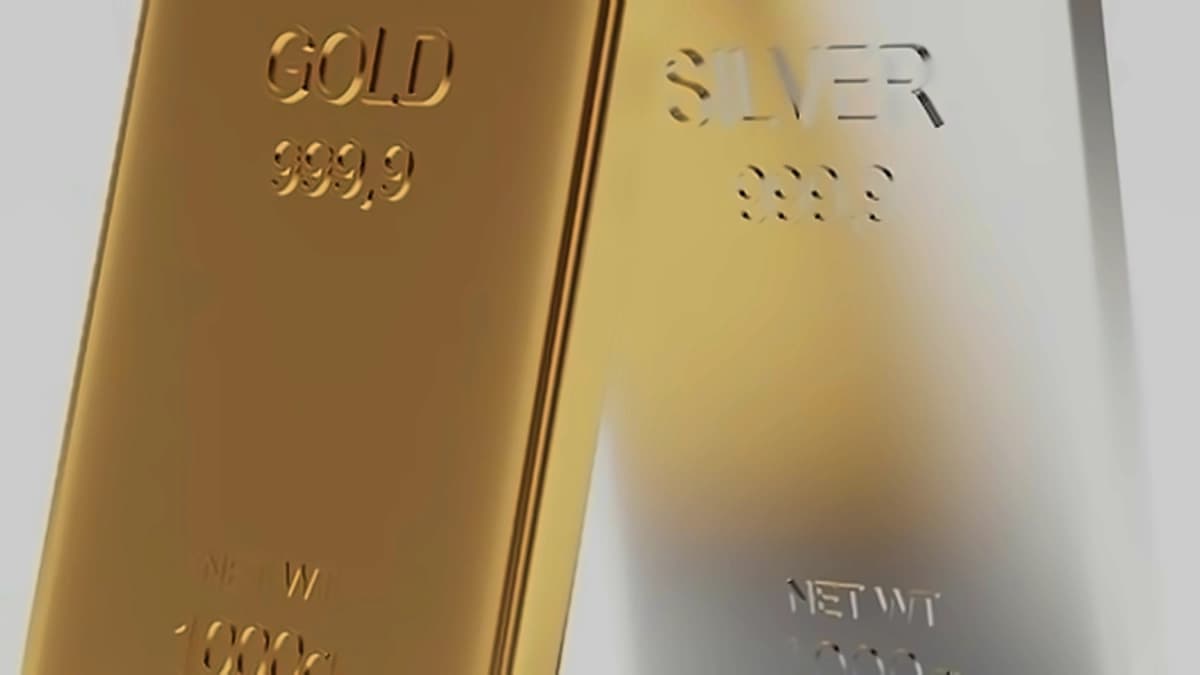
Gold prices jumped 4.1% in the previous session to $4,260 per ounce, marking the biggest rise since February 3rd, as signs of progress in reopening the Strait of Hormuz eased energy-led pressure on the Federal Reserve to raise interest rates. According to Bloomberg, Iran said it has reached agreement with Oman on a proposed shipping route through the strait, raising the prospect of some energy flows resuming through the critical waterway. Oil fell on the news, further reducing inflationary pressures that had previously supported gold prices. Spot gold climbed 0.4% to $4,262.66 an ounce as of 7:31 a.m. in Singapore, with silver rising 0.1% to $62.14 an ounce after jumping more than 4% in the previous session.
Markets are now fully pricing in one rate hike by year-end, down from two as recently as last week, as the prospect of a Hormuz deal has reduced inflation concerns. According to Bloomberg, less monetary tightening is generally positive for gold, which generates no yield. Fed Governor Lisa Cook repeated on Wednesday that she is ready to raise rates if inflation doesn't slow, warning the central bank may not have the luxury of waiting before it returns to its 2% target. Despite backing the decision to hold rates steady at the Fed's July policy meeting, she cautioned that the longer inflation remains above the goal, the tougher it will be to rein it in. The Fed's cautious stance has provided some relief to gold prices, which had previously been pressured by expectations of higher interest rates.
Gold-backed exchange-traded funds in China saw 14 straight days of inflows up to Monday, the longest streak since March, according to calculations by Bloomberg. This shift in sentiment in the world's biggest bullion market represents a significant turnaround after a long stretch of outflows and price declines. Gold has fallen by more than a fifth since the US-Iran war began in late February, with the conflict sending energy prices soaring and stoking inflationary pressures. However, support for bullion has emerged from Chinese institutional investors, who have helped to arrest the war-led decline and keep prices above the key $4,000-an-ounce support threshold. The sustained ETF inflows suggest renewed confidence in gold as a strategic investment in the current geopolitical environment.
The Bloomberg Dollar Spot Index, a gauge of the US currency, was marginally lower after ending Wednesday down 0.2%. According to reports from Bloomberg, the dollar index, which measures the greenback against a basket of currencies, was last seen trading at 99.55, down 0.23% and at its lowest level in around 7-weeks. The dollar's stability reflects the market's cautious approach as investors assess the implications of potential Hormuz deal progress. The currency's performance continues to influence precious metals pricing, with the dollar's strength typically pressuring gold prices when it strengthens.
The Bank of Korea announced it is working with domestic producers, the Korea Exchange and the Korea Securities Depository to establish a framework to purchase gold refined in South Korea. According to Bloomberg, the move would mark the bank's first purchase of domestically produced gold, which local producers would otherwise export, since 1967. This development highlights growing central bank interest in domestic gold holdings and represents a significant shift in Korea's gold policy framework. The initiative comes as platinum and palladium also advanced, showing mixed performance across the precious metals complex.