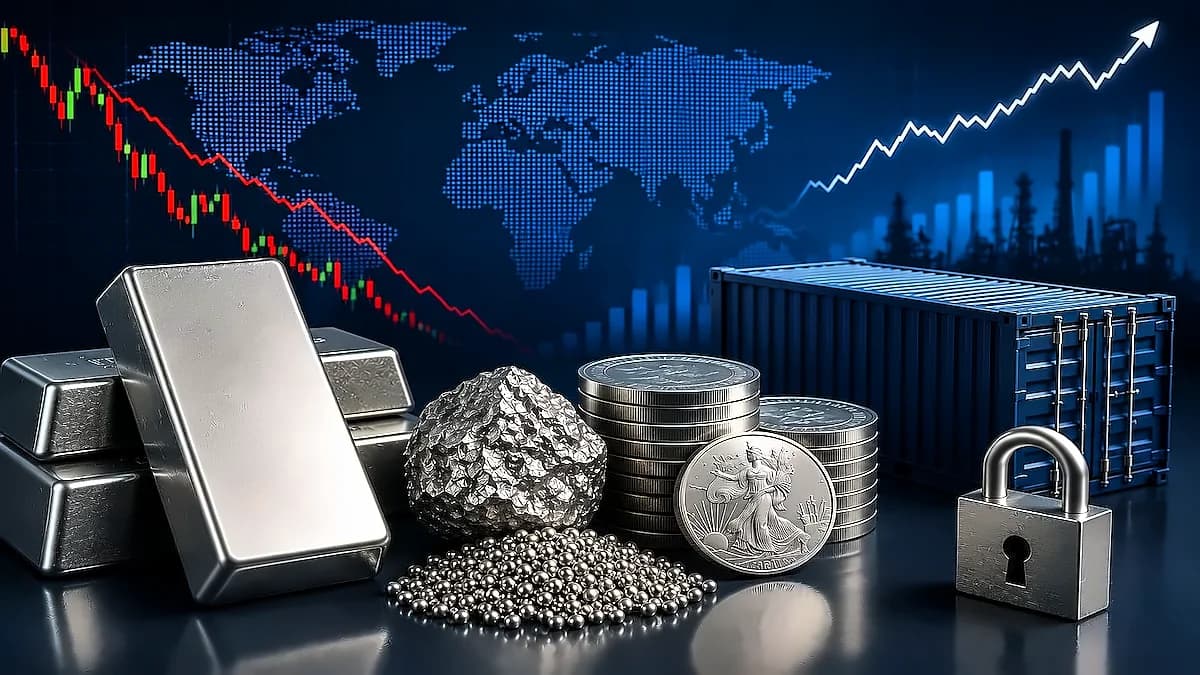
Gold prices fell on Wednesday and were headed for a monthly loss as expectations of higher interest rates weighed on sentiment, with spot gold down 0.2% at $4,170.63 per ounce as of 0150 GMT according to The Hindu BusinessLine. Gold has lost more than 6% so far this month, continuing its downward trajectory from recent highs. US gold futures gained 0.5% to $4,201.90, showing some recovery from earlier declines. The precious metals face pressure from rising US 10-year yields and a dollar index headed for a monthly gain, making greenback-denominated metals more expensive for holders of other currencies. Domestic spot gold closed Monday's session at ₹1,47,394 per 10 grams while silver held at ₹2,23,007 per kilogram, reflecting the ongoing volatility in precious metals pricing.
Three metals are showing significantly different price movements in 2026, with gold and silver both declining approximately 7% in the last month but showing starkly contrasting longer-term trends. According to reports from The Financial Express, silver has gained over 38% in the last 12 months compared to gold's 13% rise, nearly tripling investor returns. However, silver has fallen 15% year-to-date in 2026 while gold remains flat, demonstrating the volatile nature of precious metals pricing. Copper has moved up 18% year-to-date, creating a 33 percentage point gap over silver and maintaining its steady upward trajectory with 22% gains in the last six months and 45% over the past year. Recent market analysis shows copper prices retreating after rapid rise due to geopolitical risks and rate hike expectations, while gold and silver continue to face pressure from Fed policy changes and rising yields.
The primary driver behind gold and silver's divergent performance stems from interest rate expectations and opportunity costs. As reported by The Hindu BusinessLine, higher interest rates typically reduce gold's appeal because the metal does not offer a yield, with CME's FedWatch Tool showing traders see a 47% chance of a Fed rate increase in October and a 91% chance of a hike in December. According to The Financial Express, both metals pay no interest to investors, making them less attractive when rates rise. According to DSP Mutual Fund analysis, gold has outperformed silver in 16 of the past 26 years, but when both precious metals rise, silver tends to outperform gold significantly. New York Fed President John Williams said that Fed policymakers probably only need to deliver one more hike this year to get inflation back on track to the central bank's 2% goal, directly impacting precious metals pricing.
Silver demonstrates unique characteristics that distinguish it from gold, primarily driven by industrial applications in solar panels, electronics, and wiring beyond its safe-haven role. According to The Financial Express, silver's market size is far smaller than gold's, making the same dollar of buying or selling move its price by a lot more. The Silver Institute reports 2026 will be a sixth straight year of deficit, meaning more silver is being consumed than mined. This supply-demand imbalance, combined with the Fed's rate actions, creates the volatile price swings that have seen silver gain nearly three times what gold did over the past 12 months while falling 15% year-to-date in 2026. Recent developments show India copper producers seeking GST cuts as record prices raise working-capital burden, highlighting the impact of high metal prices on industrial operations.
Copper demonstrates complete disregard for Fed rate actions, instead responding to fundamental supply-demand dynamics. As reported by The Financial Express, world copper mine production declined by 1% in the first seven months of 2026, with major producers including Chile, Indonesia, and the Democratic Republic of Congo experiencing disruptions. Power grids, AI data centers, electric vehicles, and defense production all require more copper, creating sustained demand that Fed rate increases cannot impact. The International Copper Study Group data shows this structural shortage driving copper's steady rise rather than wild swings, with prices reaching historic levels of over $14,500 per metric ton in January before facing pressure in March due to geopolitical tensions. Recent analysis shows copper prices retreating after rapid rise due to geopolitical risks and rate hike expectations, though the structural supply shortage remains intact.
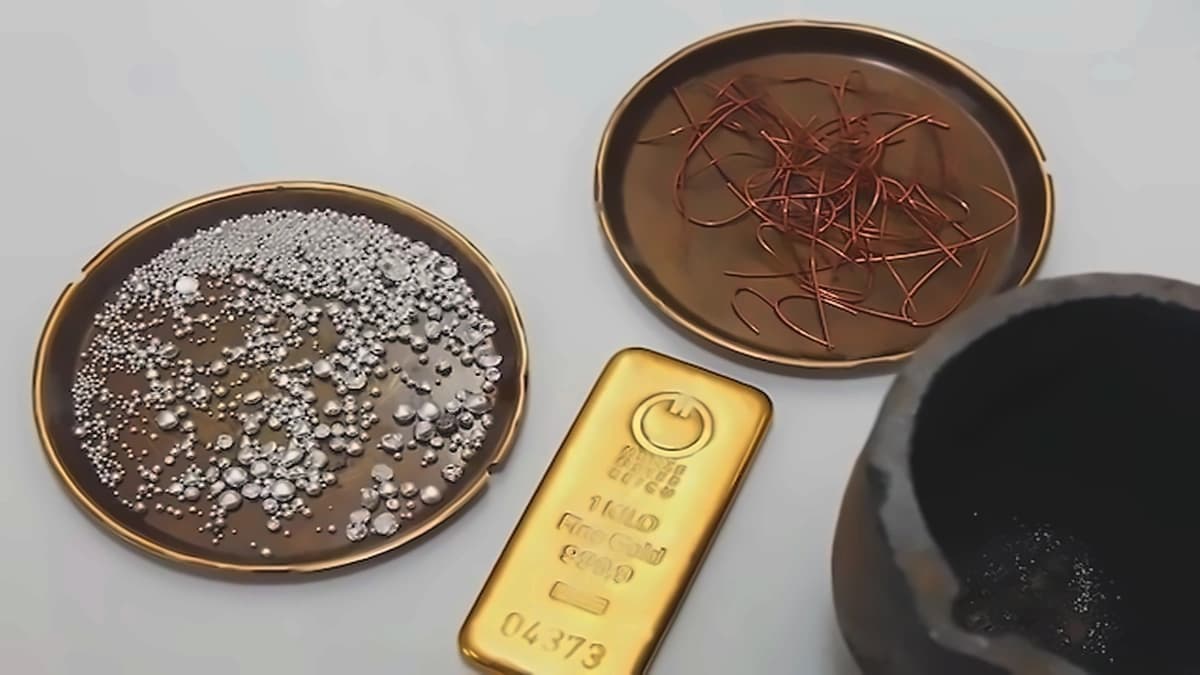
Gold is currently trading around ₹1,48,844 per 10 grams and silver around ₹2,26,153 per kilogram according to Moneycontrol, with MCX gold futures for December 4 delivery declining 0.04% and silver futures edging up 0.57% from previous closes. Domestic spot gold closed Monday's session at ₹1,47,394 per 10 grams while silver held at ₹2,23,007 per kilogram. All three metals hit all-time highs in January 2026, with gold and silver experiencing more pressure since then while copper has maintained its upward trajectory. The divergent performance reflects the fundamental differences between precious metals as financial assets reacting to Fed policy and copper as an industrial commodity responding to supply constraints, with geopolitical risks and rate hike expectations currently impacting copper's near-term performance.