According to Metals Focus, gold prices could move towards $4,800–5,000 per ounce by the end of 2026, with the $4,000 per ounce level holding firmly and expectations of a less aggressive US Federal Reserve supporting the precious metal. Harshal Barot, Senior Consultant South Asia and Middle East at Metals Focus, stated that given the macro backdrop that we have now, we think that prices will start to gain from here on. He sees some resistance for gold around $4,500, but expects the broader trend to remain positive. The report aligns with MOFSL's earlier analysis showing gold prices surged 7% this week, marking their strongest weekly gain in eight months as falling crude prices, weak US jobs data and resilient central bank demand boosted the metal's appeal.
According to Metals Focus, the market is increasingly questioning the Fed's ability to raise interest rates aggressively after weaker US employment data and volatility in currency and bond markets. Barot noted that even if the Fed raises rates once this year, he does not see it as the beginning of a broader monetary tightening cycle. This softer Fed outlook represents a significant shift from earlier expectations of aggressive rate hikes, which had been a key headwind for gold prices. The report supports MOFSL's earlier findings that rising bond yields emerged as the key headwind for gold, outweighing traditional safe-haven demand despite elevated geopolitical tensions. Gold's response to conflicts is increasingly tied to their impact on inflation, real yields and monetary policy, with central-bank buying and ETF flows supporting the long-term outlook.
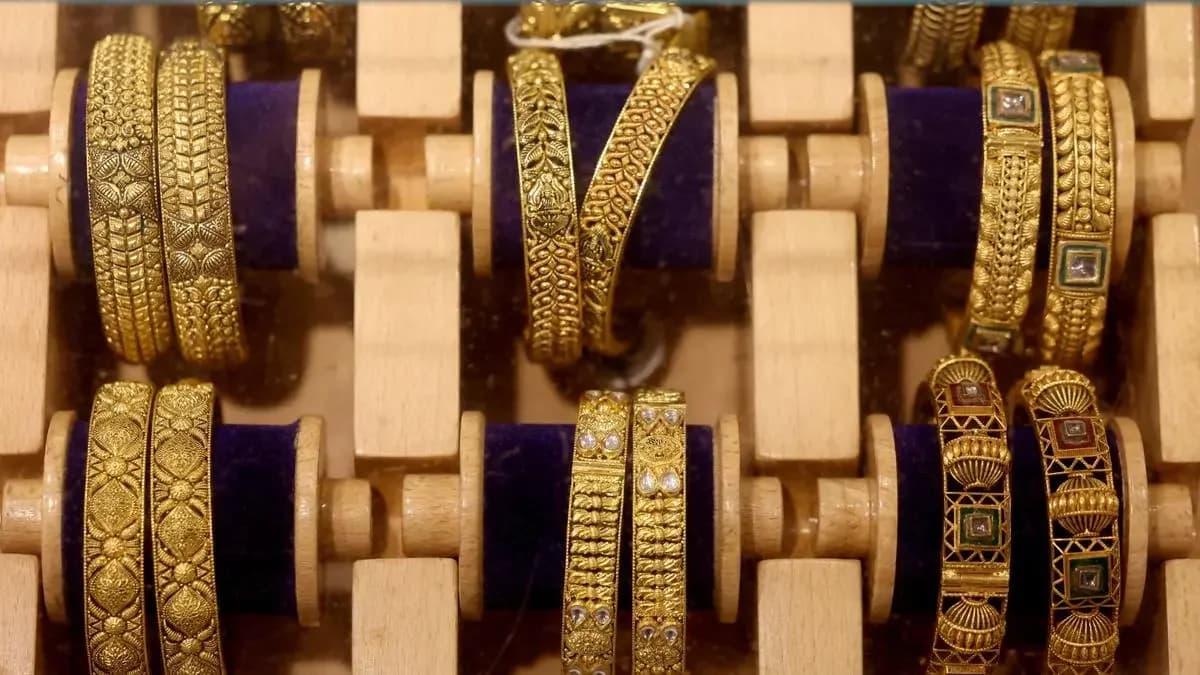
According to Metals Focus, seasonal demand from India could provide additional support as the country enters the festive and wedding season. While higher gold prices have structurally put pressure on jewellery volumes, sentiment among Indian retailers and manufacturers has improved significantly. Barot reported that order volumes seen by manufacturers at a recent industry event were higher than last year, with some describing them as the strongest since Covid. He noted there is this element of pent-up demand in the market, given the first two quarters of this calendar year were slow. August onwards will be particularly important for tracking the recovery in Indian gold imports, with demand expected to improve in the second half of the year as prices stabilise and consumers return to the market.
According to Metals Focus, silver is expected to remain in an uptrend, broadly following gold, with silver eventually moving towards $85–90. However, silver import quotas available to Indian traders remain below typical seasonal demand, which could limit the amount of metal available in the domestic market. Premiums have already risen to around $2.50 an ounce, from a peak of about $6.50 in July when imports were severely constrained. Barot expects silver to underperform gold in the short term, with silver's trajectory depending partly on whether India can secure enough imports to meet festive-season demand. The key concern is supply, as if the trade is not able to import as much, it should pressure the price in a sense or keep the rally capped.
According to Metals Focus, inflation trajectory, Fed communication, global liquidity conditions, central bank demand and investment flows are expected to remain the key variables for gold and silver during H2 2026. The analysis aligns with MOFSL's earlier projections showing gold to retain medium-term strength but sees scope for a 6-8 per cent correction from current levels before a potential move towards USD 4,800 per ounce in overseas markets and subsequently more than USD 5,500 over 12-15 months horizon. With geopolitical risks and rate-cut hopes providing further support, analysts see potential for gold to resume its long-term bull run, as reported by The Economic Times. With the macro backdrop improving and Fed policy becoming less aggressive, the precious metals market is positioned for sustained gains.