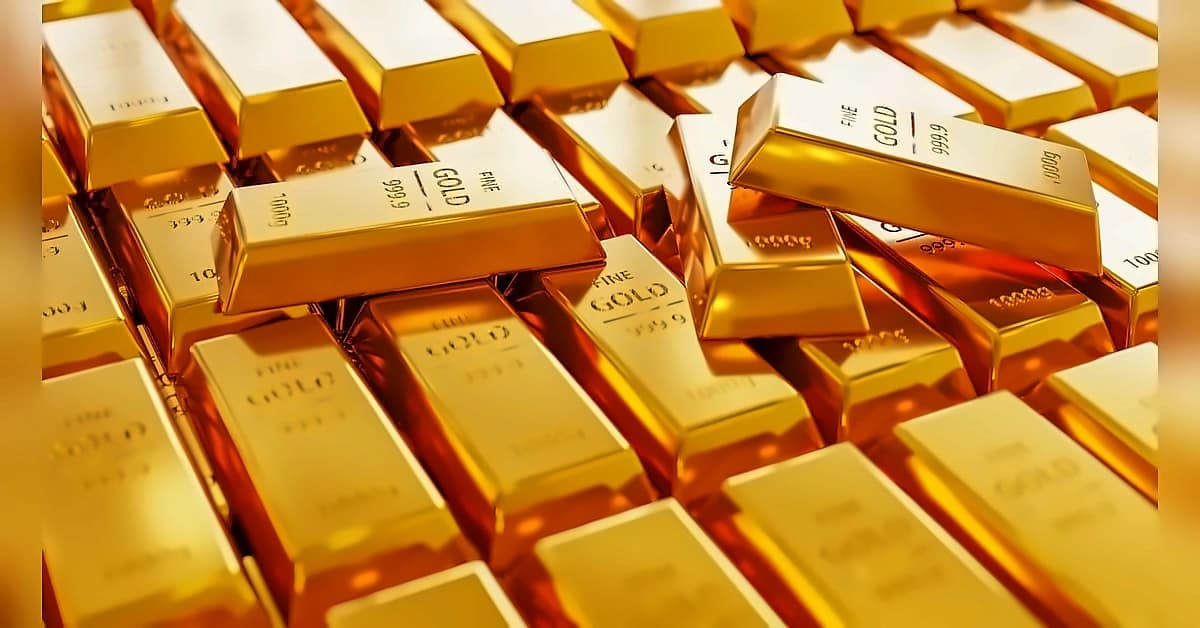
ICICI Bank projects gold prices to trade in the $4,200-$4,600 per ounce range for the remainder of 2026, with a marginal upside bias expected in the first half of 2027. According to the bank's research report, gold could potentially rise to $4,600-$5,000 per ounce in H1 2027 as elevated US real yields and a stronger dollar ease. The bank expects gold to trade with a marginal upside bias in H1 2027, trading in the $4,600-$5,000 per ounce range as global energy pressures ease. The medium-term outlook remains supported by investment demand, continued central bank purchases, and gold's role as a hedge against geopolitical, financial and policy uncertainty.

Gold has experienced a sharp correction in September, declining nearly 8% during the month so far after gaining around 9% in August. As reported by ICICI Bank, this correction is attributed to a more hawkish repricing of US monetary policy amid persistent inflation concerns, higher oil prices and stronger-than-expected labour market data. However, the bank noted that these near-term pressures may not be sufficient to reverse the broader strength in bullion. The report indicates that as global energy pressures come off, there is an increasing likelihood of bullion trading with an upside bias. Latest data shows spot gold holding near $4,176 on Thursday after a sharp sell-off on Monday, with the metal now down about 3.8% in 2026.
Gold ETFs recorded $17.8 billion of inflows in August, taking third-quarter gold ETF demand to 144.7 tonnes. The People's Bank of China bought 20 tonnes of gold in August, its largest monthly purchase since October 2023. According to ICICI Bank, concerns over the long-term sustainability of US fiscal deficits, continued central bank diversification away from US dollar-denominated assets, and gold's role as a portfolio hedge are likely to remain structural supports for the precious metal. The bank expects these factors to continue supporting gold prices in the medium term. Morgan Stanley's Amy Gower notes that central banks added a net 23 metric tons in July, with China adding 20 tons and Poland adding 8 tons. Beijing then bought about 20.2 tons in August, with China's total imports passing 1,000 metric tons in the first eight months of 2026, putting them on track for their highest level since 2017.
For India, ICICI Bank expects local gold prices to remain largely driven by global bullion prices, with the rupee adding another source of volatility. The bank retained its forecast for domestic gold prices to trade at ₹1.40 lakh-₹1.60 lakh per 10 grams through the remainder of 2026. Domestic jewellery demand remains constrained by elevated prices, though wedding demand has stayed relatively resilient and festive and wedding activity is expected to provide some support. Gold imports fell to $2.3 billion in August from $4.2 billion in July, while Indian gold ETF inflows rose to ₹26 billion in August.