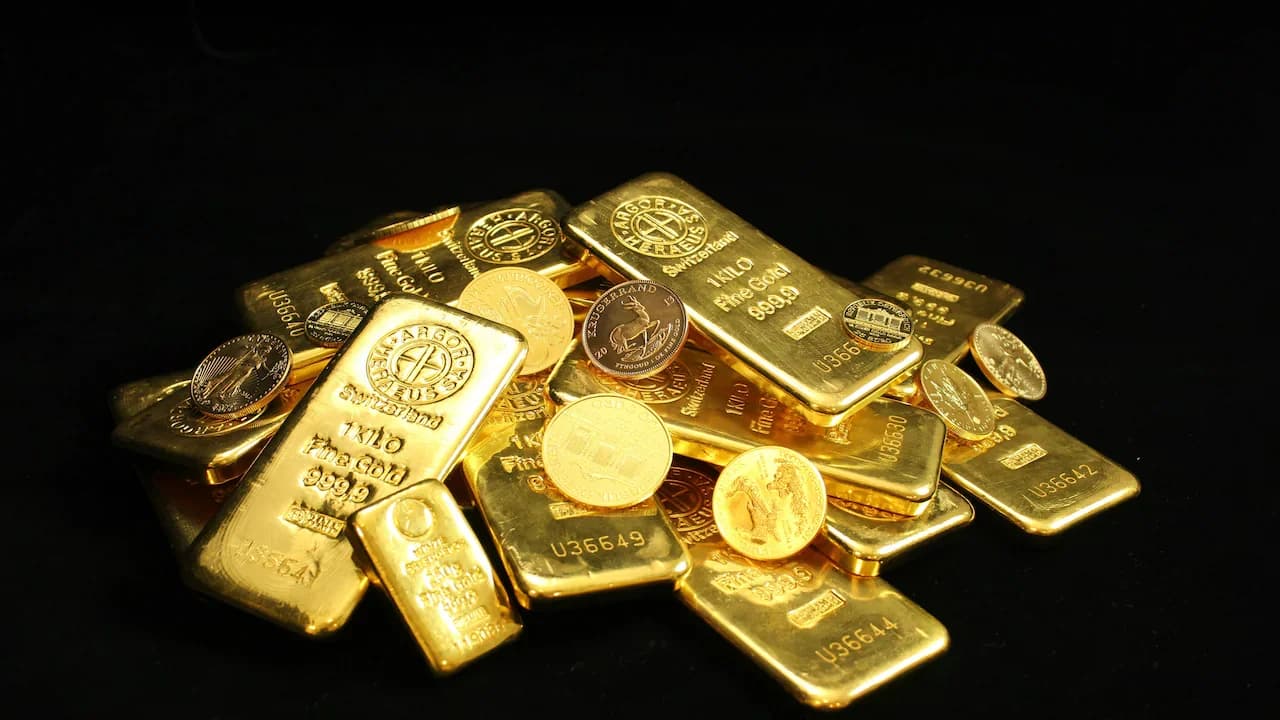
Gold prices rebounded on Thursday, recovering from a one-month low hit the previous day, as reported by Reuters. Spot gold was up 0.7% at $4,573.09 per ounce as of 0229 GMT, after falling to its lowest level since March 31 in the previous session. U.S. gold futures for June delivery rose 0.5% to $4,585.10, showing modest recovery from oversold levels. The recovery comes after gold hit its lowest level since March 31 in the previous session, pressured by a stronger dollar and expectations of a "higher-for-longer" interest rate environment in major economies. However, recent developments show gold is leaking lower as rising yields and a stronger greenback make non-interest-bearing and anti-fiat assets less attractive, according to latest market reports. The dollar's recent easing has provided some relief, making dollar-denominated bullion cheaper for non-US buyers, though current market conditions suggest this support is weakening.
The U.S. Federal Reserve held interest rates steady, but in its most divided decision since 1992 noted rising concerns about inflation in a policy statement that drew three dissents from officials, as reported by Reuters. Chair Jerome Powell did not pull punches on inflation during the FOMC press conference, flagging an unwelcome rise in price growth expectations linked to goods inflation from tariffs. The Fed has argued for over a year that this inflation would prove transitory, but stripping out energy and food, goods inflation began rising again at the start of the year, with services inflation posting some of its strongest monthly gains since mid-2025 in the first quarter. The 10-year breakeven inflation rate is at its highest since mid-2025, fully erasing the disinflation that prompted the Fed to begin cutting rates last year, while housing inflation has steadily perked up. The stronger U.S. dollar and hawkish Federal Reserve have reduced the attractiveness of non-yielding assets such as gold and silver, as a stronger U.S. currency makes them more expensive for buyers using other currencies.
Brent crude oil hovered above $120 per barrel, as deadlocked U.S.-Iran negotiations made investors more concerned about prolonged disruptions to Middle Eastern supply, according to Reuters. Elevated oil prices add to inflation risks, increasing the likelihood of higher interest rates. While gold is traditionally seen as a hedge against inflation, high interest rates weigh on its appeal as a non-yielding asset. This dynamic explains why gold's recovery is being capped despite the precious metal's value proposition at current levels. Traders are now pricing out Fed rate cuts entirely for this year, with markets now seeing a 30% chance of a hike by March 2027, sharply up from roughly 5% a day prior, as reported by Reuters. The U.S. President Donald Trump discussed how to mitigate the impact of a possible months-long U.S. blockade of Iran's ports with oil companies, urging Tehran to "get smart soon" and sign a deal.
Other precious metals showed mixed performance alongside gold's recovery. Spot silver rose 1.6% to $72.63 per ounce, while platinum gained 1.8% to $1,913.86 and palladium was up 0.4% at $1,465.14, as reported by Reuters. "Gold is representing a value proposition for traders at current levels. So, dip buying is playing a part in gold's recovery efforts today," said Tim Waterer, chief market analyst at KCM Trade. Although gold is trying to stage a modest recovery from oversold levels, strong oil prices and fresh inflation risks are keeping a lid on its near-term upside. The mixed performance across precious metals reflects varying investor preferences and market dynamics affecting different asset classes during this period of geopolitical uncertainty and inflation concerns.
Despite price volatility, global gold demand rose 2% year-on-year to 1,230.9 metric tons in the first quarter of 2026, as reported by CNBC TV18. The World Gold Council reported that the rise was led by strong investment inflows into bars and coins and continued central bank buying, even as jewellery demand declined. This mixed demand pattern reflects varying investor preferences across different gold product categories, with underlying demand trends continuing to provide structural support despite short-term volatility. A survey conducted last year by the World Gold Council found that central banks see economic and geopolitical uncertainty as a key reason for increasing gold reserves, supporting the long-term trend toward gold diversification away from traditional fiat currencies.