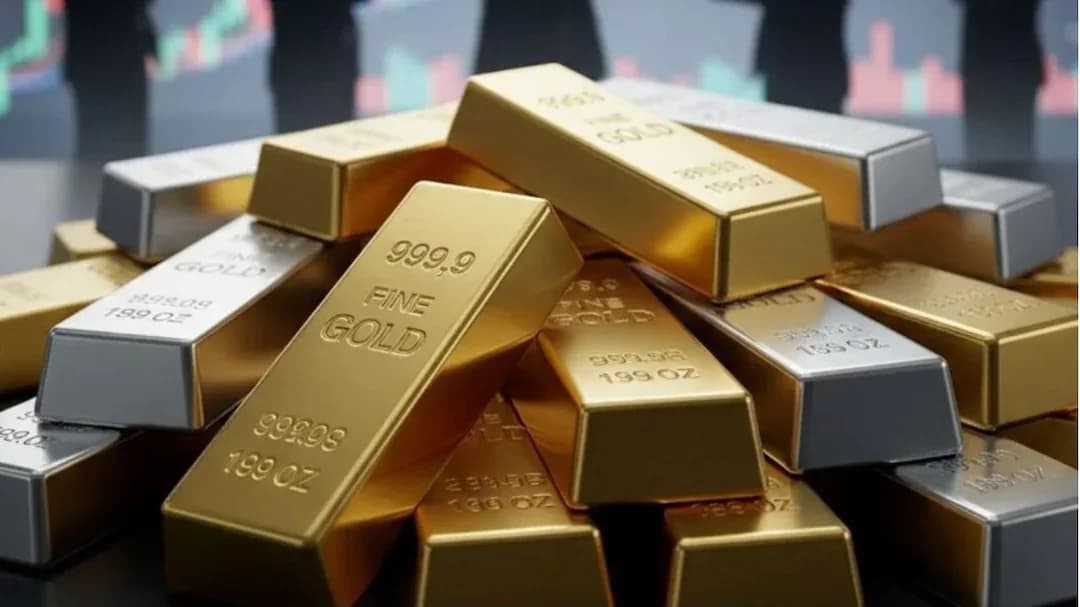
The Reserve Bank of India reported that gold imports decelerated substantially in May 2026 compared to the preceding month, according to the central bank's bi-annual Financial Stability Report. Gold imports stood at roughly USD 12 billion in May, marking the third consecutive month of decline. As reported by the RBI, this decline occurred despite significant price increases in the precious metal throughout FY27. The central bank highlighted that gold imports had risen significantly in FY27, especially on the back of a steep increase in the price of the commodity, making the recent deceleration particularly noteworthy.
The RBI's report coincided with multiple appeals by Prime Minister Narendra Modi to reduce gold consumption starting around May 10, 2026. According to the central bank's assessment, these appeals came amid uncertainty about the end of the West Asia crisis, which led to steep increases in oil and commodity prices and pressure on the rupee. Some market participants had feared the rupee would cross Rs 100 per dollar during this period, creating additional urgency for the government's consumption reduction campaign.
The RBI's latest report highlighted that the interim peace deal between Iran and the US can provide tailwinds to Indian economic growth. As reported by the central bank, "the interim peace deal has laid the foundation for cessation of this conflict and normalisation of supply chains, which could provide tailwinds to growth." The country entered the recent bout of global turbulence triggered by the West Asia conflict with stronger macroeconomic fundamentals, though the RBI conceded that while India's resilience provides an important buffer, some impact is inevitable given the country's substantial dependence on imported energy.
The RBI highlighted that petroleum and gold together contribute more than half of the trade deficit, underscoring the trade balance's vulnerability to external shocks. The central bank flagged that fiscal deficit could come under pressure due to higher prices of energy and other commodities, limited pass-through of oil price increase, excise duty cuts, and higher outgo on account of subsidies. Despite these challenges, the RBI noted that most of the high-frequency indicators for April-May 2026 point to continued resilience in economic activity, suggesting that growth has remained "firm" in Q1FY27. However, the central bank warned that elevated oil and other commodity prices and weaker global growth could adversely affect India's domestic growth in 2026-27.

In a positive development for the rupee, the RBI noted that bets on gold exchange-traded funds declined significantly, with net outflow of Rs 725 crore in May compared to a net inflow of Rs 24,039 crore in January. This represents a 190% increase in gold ETF investments during FY26, followed by the recent reversal in May 2026. The central bank's graph presented in the FSR showed this net outflow of Rs 725 crore in May as a welcome change from the previous surge in gold ETF investments.