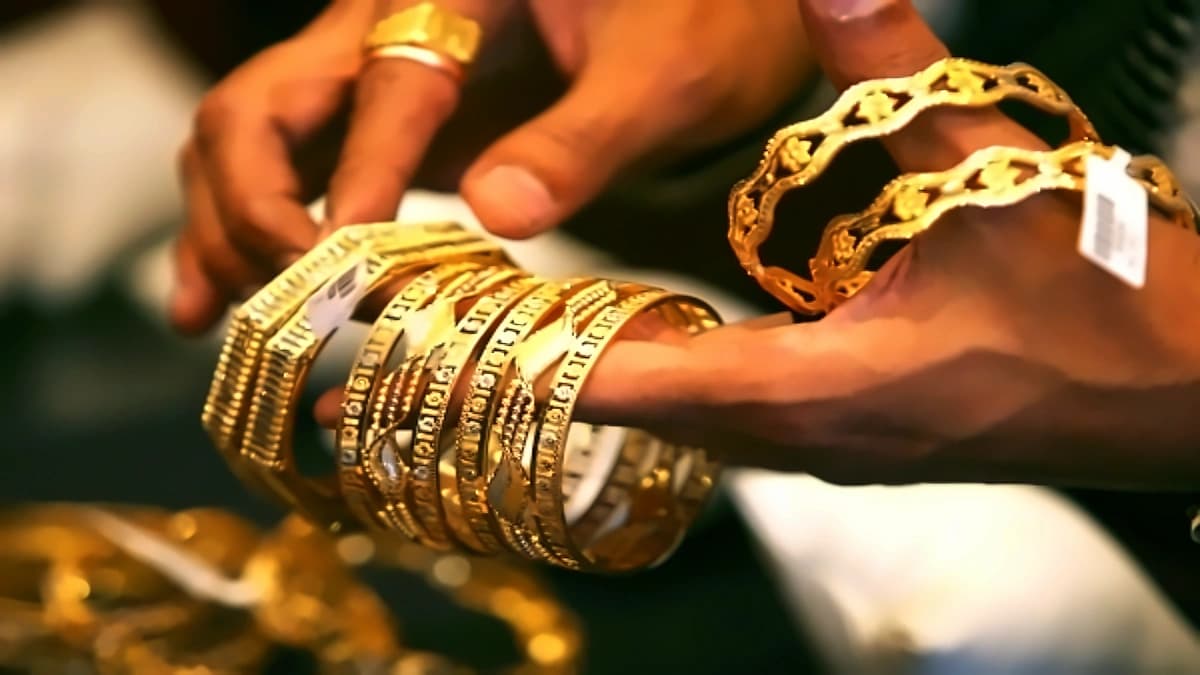
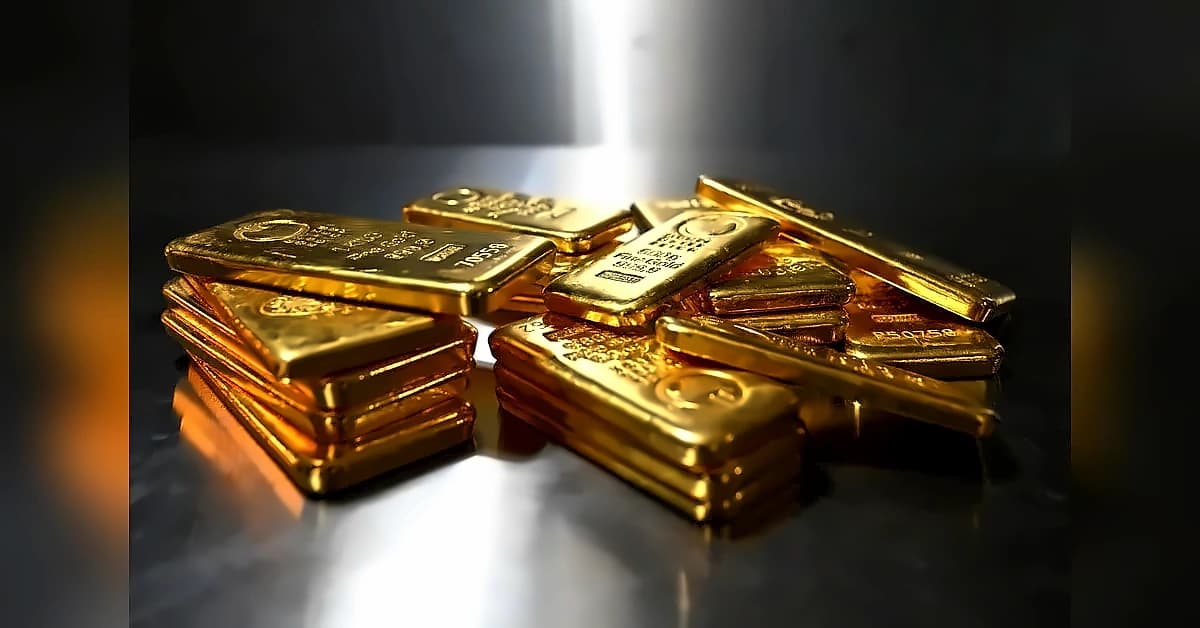
The Centre is considering a reduction in import duties on gold and silver after the higher levy failed to significantly reduce imports and was instead followed by an expansion in the grey market. According to ET Online, Gems and Jewellery Council Chairman Rajesh Rokde revealed that the government had raised import duty on gold and silver to 15% from 6% in May, but this move did not achieve the desired impact. The jewellery industry reports that gold imports remained largely unaffected, while the higher cost of legal supplies made unofficial channels more attractive to consumers. As per ET Online, Rokde stated that "The duty isn't proving effective" and that the jewellery body had warned earlier that this would fuel illegal trade, which is exactly what is happening. The government is currently discussing a reduction in import duties, with discussions "certainly ongoing" though no final decision has been made yet. Rokde noted that "The government might reconsider this policy. The expectation was that imports would drop, but that didn't happen, and imports remained largely unaffected, while the grey market expanded significantly."
Government data cited in industry discussions showed that India's gold import bill rose 24% to a record $71.9 billion in FY26, even though import volumes fell to 721 tonnes. As reported by Goodreturns, this highlights the impact of high international gold prices on the country's import bill. India, the second-largest consumer of gold after China, roughly imports close to 700 to 900 tonnes of gold annually. The government had sharply increased customs duties on gold and silver to 15% from 6% in May to contain pressure on the country's foreign exchange reserves and external account during the West Asia conflict. For the government, the challenge is to control imports without encouraging more gold trade through unofficial channels.
The higher import duty was aimed at reducing bullion imports and easing pressure on the country's external account, but the jewellery industry says it did not have the desired impact. According to ET Online, the government faces the challenge of controlling imports without encouraging more gold trade through unofficial channels. The expansion of grey market activities has become a concern as consumers increasingly turn to unofficial channels due to higher legal supply costs. Rokde noted that "The government might reconsider this policy. The expectation was that imports would drop, but that didn't happen, and imports remained largely unaffected, while the grey market expanded significantly."
A reduction in import duty could lower the landed cost of gold and narrow the price gap between legal and grey-market supplies. However, retail gold prices may not fall proportionally due to factors including international prices, rupee-dollar exchange rates, taxes and local market conditions. For jewellers, lower duties could make formal gold supplies more competitive and help reduce the advantage enjoyed by unofficial sellers. Domestic gold rates also depend on international prices, the rupee-dollar exchange rate, taxes and local market conditions, meaning consumers would see the full benefit only if these factors remain supportive. Meanwhile, gold prices have shown recent volatility, with the yellow metal's prices dropping by ₹2,045 to ₹1,54,236 per 10 grams in futures trade amid a fall in spot demand.