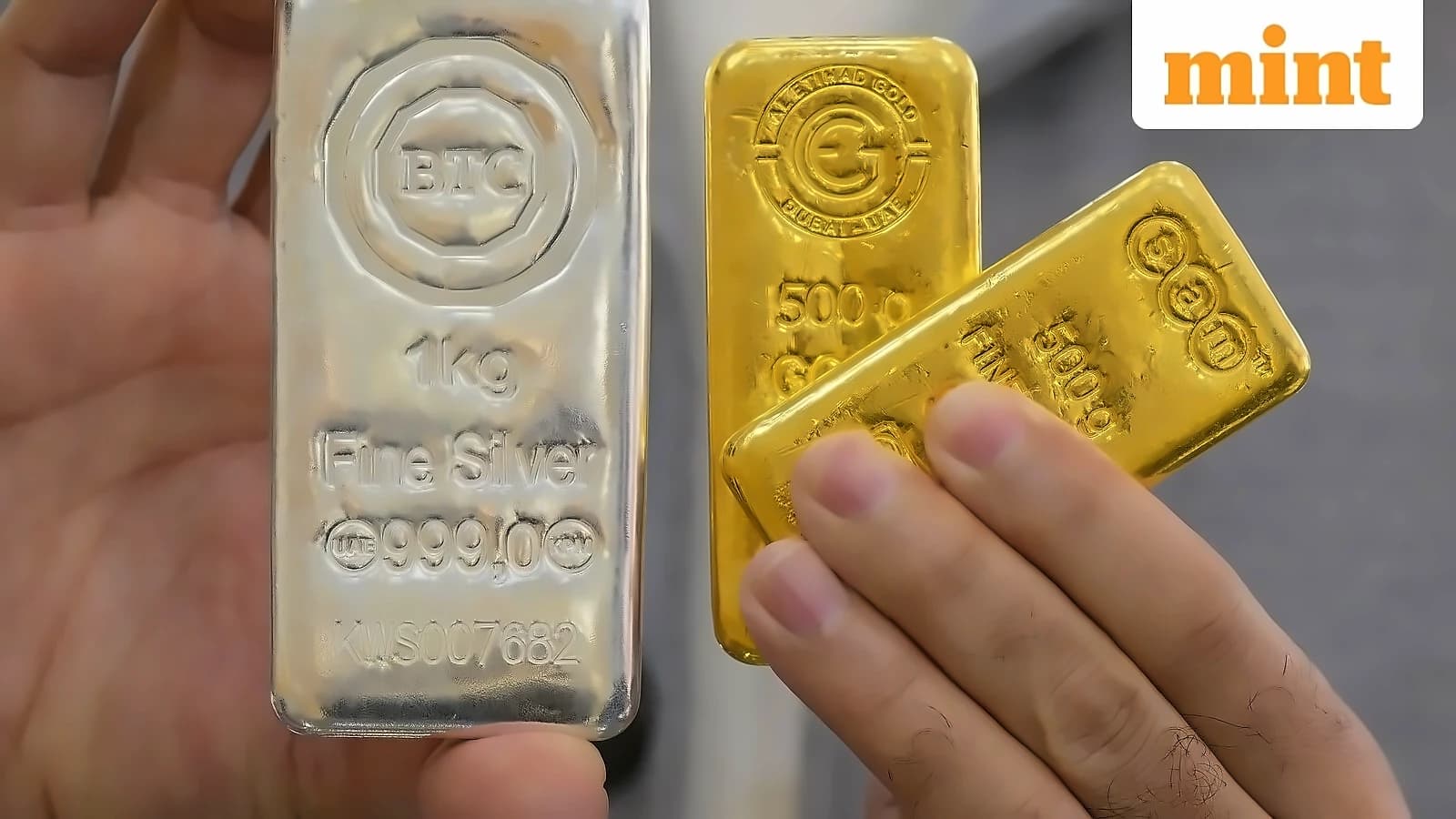
Gold prices showed signs of recovery on Tuesday (19 May) morning, with MCX gold June futures rising 0.17% to ₹1,59,674 per 10 grams as crude oil prices declined following US President Donald Trump's decision to pause strikes in Iran. According to latest reports, the precious metal's rebound came after Trump announced a temporary halt to military operations against Iran, providing some relief to markets that had been under pressure from escalating Middle East tensions. However, persisting uncertainty over the Middle East conflict capped gains for the yellow metal, with investors remaining cautious about the ongoing situation. This modest recovery represents a shift from the 11% decline gold has experienced since the US-Iran conflict began on February 28, though the rebound remains limited by ongoing geopolitical uncertainties.
Bond markets tumbled worldwide on growing fears that a war-driven surge in inflation will force central banks to raise interest rates, with U.S. 10-year Treasury yields reaching a fresh one-month high and Japanese 10-year yields skyrocketing to a 29-year high on Monday. As reported by The Economic Times, yields surged amid growing bets that energy-driven inflation, stemming from the Iran war, will drive interest rates and more hawkish central banks across the globe. The inflationary impact of a prolonged Middle East conflict is creating a challenging environment for non-yielding assets like gold, as rising interest rates increase the opportunity cost of investing in the yellow metal. Hotter-than-expected US inflation data led investors to rule out any Federal Reserve rate cuts this year, while increasing speculation that policymakers could still raise rates before year-end. The Bloomberg Dollar Spot Index gained 0.1% after rising 1.2% last week, with the stronger dollar pressuring broader metal prices and contributing to the precious metals decline. Bets for a December Fed rate cut fell to just 12% from around 25% before Trump's latest comments, making Treasury bonds and cash more appealing compared with a metal that pays no income.
Oil prices rose on Monday after President Donald Trump renewed threats against Iran, increasing the likelihood of a rate hike that would put pressure on non-yielding bullion. According to The Economic Times, this oil price surge was fueled by Middle East tensions and inflation concerns, creating a challenging environment for non-yielding assets like gold. The higher crude prices have reinforced expectations that central banks will maintain higher interest rates for an extended period, as energy-driven inflation from the Iran war continues to impact global markets. Brent crude surged to $105 per barrel after Trump's April 1 speech, with the continued closure of the Strait of Hormuz maintaining significant supply-side inflation risks. Over the weekend, energy infrastructure in the Persian Gulf was also targeted, including a nuclear facility in the United Arab Emirates, adding to geopolitical tensions in the region. The United States and Iran remain far from reaching an agreement to end weeks of conflict and reopen the strategically vital waterway for energy shipments, with the Strait of Hormuz effectively closed. The ongoing closure continues to restrict energy flows, adding to inflationary pressures and weighing on gold's safe-haven appeal.
The immediate reaction to President Trump's recent statements, which swung between dire threats and hints of a truce, saw gold futures dip significantly. On April 2, spot gold fell 2% to $4,664.39 per ounce, snapping a four-day winning streak, while US gold futures slid 2.5% to $4,691.10. This downward pressure continued, with gold futures currently trading at $4,681.90, down 0.06% from the previous close of $4,684.70. The market is clearly struggling to interpret the mixed signals, leading to a flight from gold rather than into it. This pattern has repeated throughout the five-week conflict, with gold briefly rising when Operation Epic Fury launched on February 28, climbing from $5,296 to $5,423, but then selling off sharply and broadly failing to hold gains. President Trump recently issued a stern warning to leadership in Tehran, stating clearly that the clock is ticking for the nation to accept a comprehensive peace deal. He acknowledged that Iran was an 'active, willing participant' in negotiations and that talks with intermediaries from Egypt, Pakistan, and Turkey were 'going well,' creating a volatile and unpredictable environment for gold traders.
The precious metals selloff extended beyond gold, with silver falling 1.9% to $74.5840 per ounce and spot platinum dropping 0.3% to $1,972.05 per ounce during Monday's trading session. According to The Economic Times, these declines reflect the broader market pressure from rising bond yields and geopolitical tensions. Gold speculators raised net long positions by 4,963 contracts to 100,627 in the week ended May 12, despite the price decline, suggesting that while prices have fallen, investors remain cautiously optimistic about gold's longer-term prospects. Goldman Sachs has held firm on its $5,400 year-end target for gold, a call reiterated even after the March selloff and amidst the ongoing conflict. However, Iain Barnes of Netwealth points out that gold's price volatility has been running at twice its historical level recently, largely due to increased participation from financial investors. The consensus appears to be that while the immediate future for gold remains challenging, particularly as long as the dollar strengthens and interest rate expectations remain high, the medium-to-long term offers upside potential, with investors advised to watch for shifts in central bank policies and the resolution of the Strait of Hormuz issue.