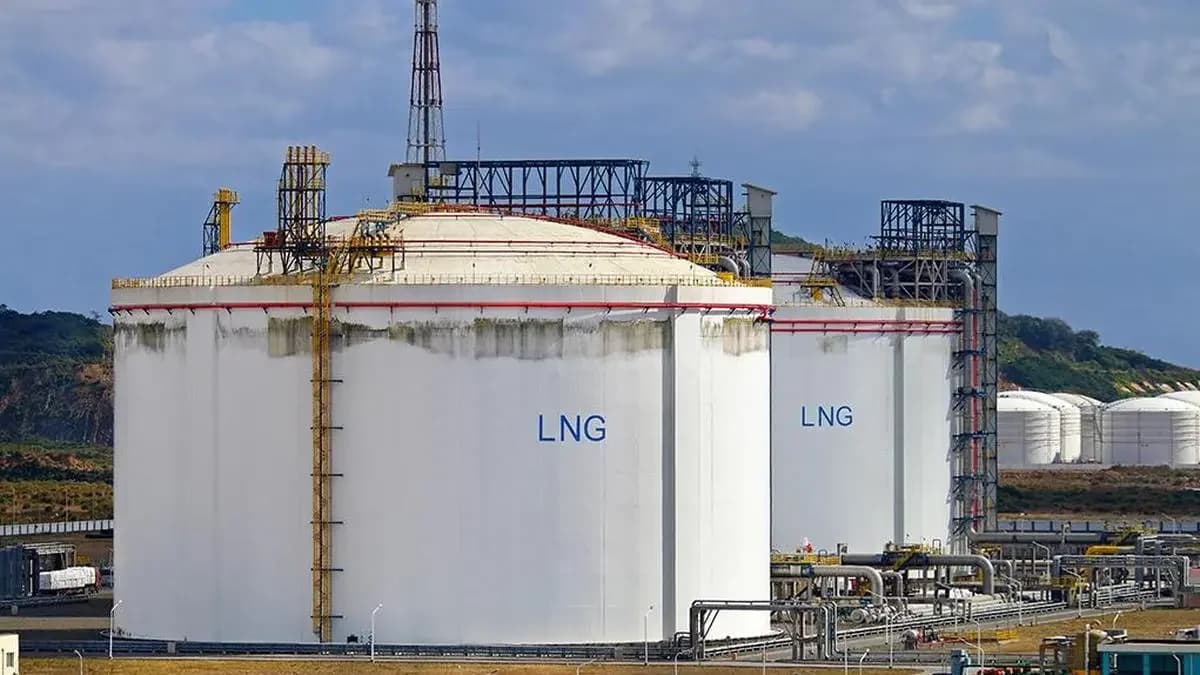
Global liquefied natural gas trade achieved a historic milestone in 2025, reaching 436.98 million metric tons according to the International Gas Union (IGU) report released on Wednesday. This represents a 6.3% increase from the previous year, marking the fastest growth rate since 2022. The record performance was driven by strong U.S. exports and rising European imports, which successfully offset weaker Asian purchasing patterns. The IGU, which represents over 90% of the global gas market through more than 130 members, highlighted that future LNG growth would depend on balancing rising energy demand with supply security and price stability.
Europe recorded the largest increase in LNG imports, rising 26.1 million tons to 126.2 million tons as the region replenished inventories and replaced lower Russian gas flows. As reported by the IGU, this surge in European demand helped offset some of the decline in Asian markets. The rise came as European countries rebuilt gas inventories and continued replacing reduced supplies of Russian pipeline gas. The region's increased reliance on LNG reflects both strategic energy diversification efforts and practical supply chain adjustments in response to geopolitical developments.
Asia Pacific remained the largest LNG-importing region with 168.7 million tons received, though total Asian imports declined by 9.2 million tons due to reduced demand in China and India. According to the IGU report, China maintained its position as the world's largest LNG importer at 69.77 million tons, but imports fell 8.9 million tons year-on-year. Japan secured second position with 67.37 million tons, while South Korea increased imports by 1.7 million tons to 48.67 million tons. The IGU highlighted differing trends across Asia, with China's LNG demand weakening due to stronger domestic gas production and increased pipeline imports from Russia, while lower natural gas output in parts of Southeast Asia increased dependence on LNG spot markets.
The U.S. maintained its position as the world's largest LNG exporter, shipping 110.74 million tons in 2025, followed by Qatar with 81.51 million tons and Australia with 80.32 million tons. As reported by the IGU, Chinese LNG re-exports rose significantly by 45.8% to 0.67 million tons, indicating the country's growing role in regional LNG trade. The report highlights diverging trends across Asia, with Chinese LNG imports declining due to stronger domestic supply and higher pipeline imports from Russia, while Southeast Asian production cuts boosted LNG spot purchase reliance. The IGU noted that geopolitical uncertainty, particularly in the Middle East, could create further risks for LNG markets by affecting infrastructure, investment decisions and supply reliability.
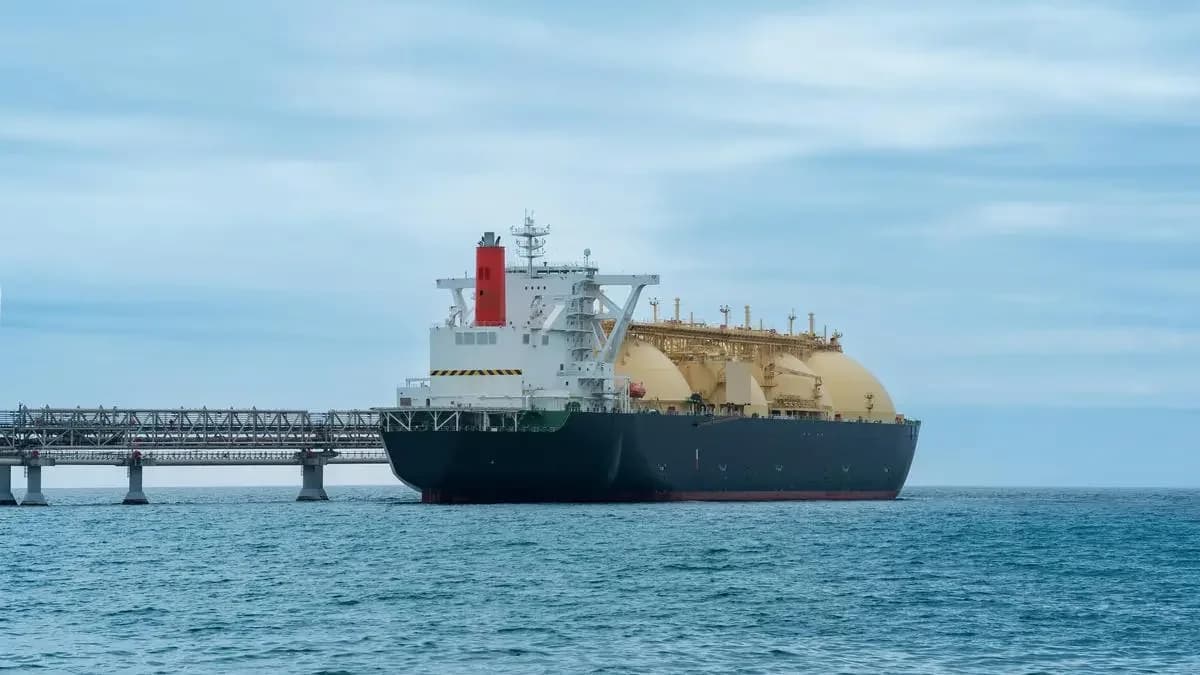
Despite the record performance, the IGU warns that conflict in the Middle East could lead to a contraction in 2026. According to IGU President Andrea Stegher, the Gulf conflict has damaged LNG infrastructure, clouded the outlook for regional expansion projects, and exposed Asian buyers to flow uncertainty and higher prices. The organisation notes that prolonged periods of elevated LNG prices could particularly impact demand growth in emerging Asian economies, particularly in South and Southeast Asia, where energy consumption is expanding but affordability remains a concern. The IGU emphasized that continued periods of high LNG prices could slow demand growth in these regions, highlighting the vulnerability of global LNG markets to geopolitical disruptions.