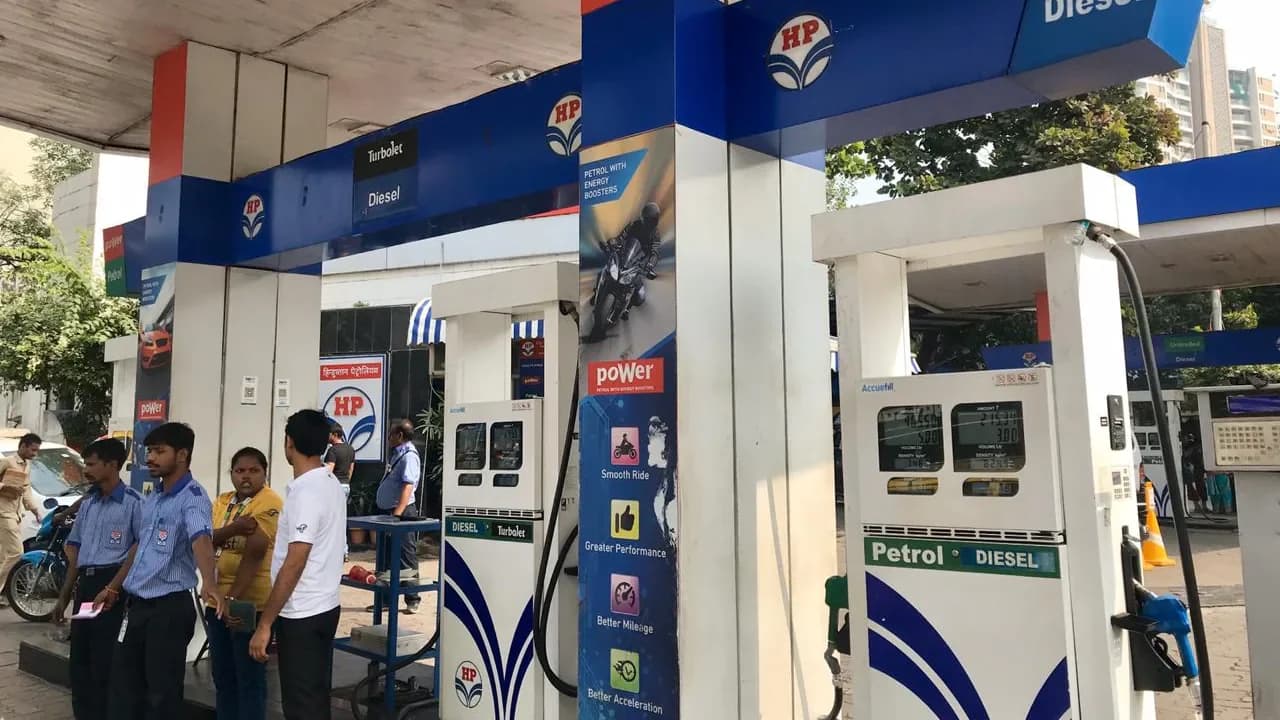
India has categorically ruled out any fuel rationing measures as the country maintains sufficient fuel and LPG stocks during ongoing global energy market disruptions. Defence Minister Rajnath Singh confirmed at the fifth meeting of the Informal Group of Ministers (IGoM) on West Asia that "There is no shortage of any petroleum product" despite the ongoing conflict in West Asia. The government has now enhanced its crude oil and LNG reserves to 69 days from the previously reported 60 days, while LPG stocks remain at 45 days as confirmed by Petroleum Minister Hardeep Singh Puri at the CII Annual Business Summit 2026. Singh noted that "The country is secure and there is no shortage of any petroleum product" while the government's primary focus remains on ensuring uninterrupted energy supplies, maintaining economic stability and keeping maritime trade routes secure. The ministers were informed that fertiliser stocks stood at 199.65 lakh tonnes as of May 11, significantly higher than usual levels and sufficient to meet more than half of the estimated Kharif 2026 requirement of 390.54 lakh tonnes.
To further secure cooking gas availability amid the West Asia crisis, the government has sharply ramped up LPG production from 35,000-36,000 tonnes per day to 54,000 tonnes in response to geopolitical tensions in the Middle East. As per The Times of India, Petroleum Minister Hardeep Singh Puri announced that "LPG production has been ramped up from 35,000-36,000 tonnes/day to 54,000 tonnes amid West Asia conflict." The minister emphasized that "We managed the crisis with responsibility; there have been no dryouts anywhere" and that the government had ensured uninterrupted availability across the country. This enhanced production capacity demonstrates the government's proactive approach to managing supply chain disruptions while maintaining domestic cooking gas security.
State-owned oil marketing companies are facing unprecedented financial stress as OMC losses have crossed ₹2 lakh crore in the first quarter of 2026-27 while maintaining frozen fuel prices. According to the latest government statement, the three state-run fuel retailers - Indian Oil Corporation, Bharat Petroleum Corporation Limited, and Hindustan Petroleum Corporation Limited - are currently suffering combined under-recoveries of ₹1,600-1,700 crore per day. The mounting losses come even as petrol and diesel prices across India remain largely unchanged at nearly two-year-old levels despite a sharp jump in international crude oil prices. With global crude oil prices continuing to remain elevated and OMC losses widening rapidly, market experts believe pressure may build for a revision in retail fuel prices if geopolitical tensions persist. The government acknowledged that "There is a huge cost being borne by the nation as international crude prices are continuing at very high levels" and emphasized that "Fuel conservation can ease this burden." Latest reports from The Times of India reveal that Oil Marketing Companies are losing nearly ₹1,000 crore every day, with quarterly losses estimated at approximately ₹1 lakh crore, as confirmed by Petroleum Minister Hardeep Singh Puri.
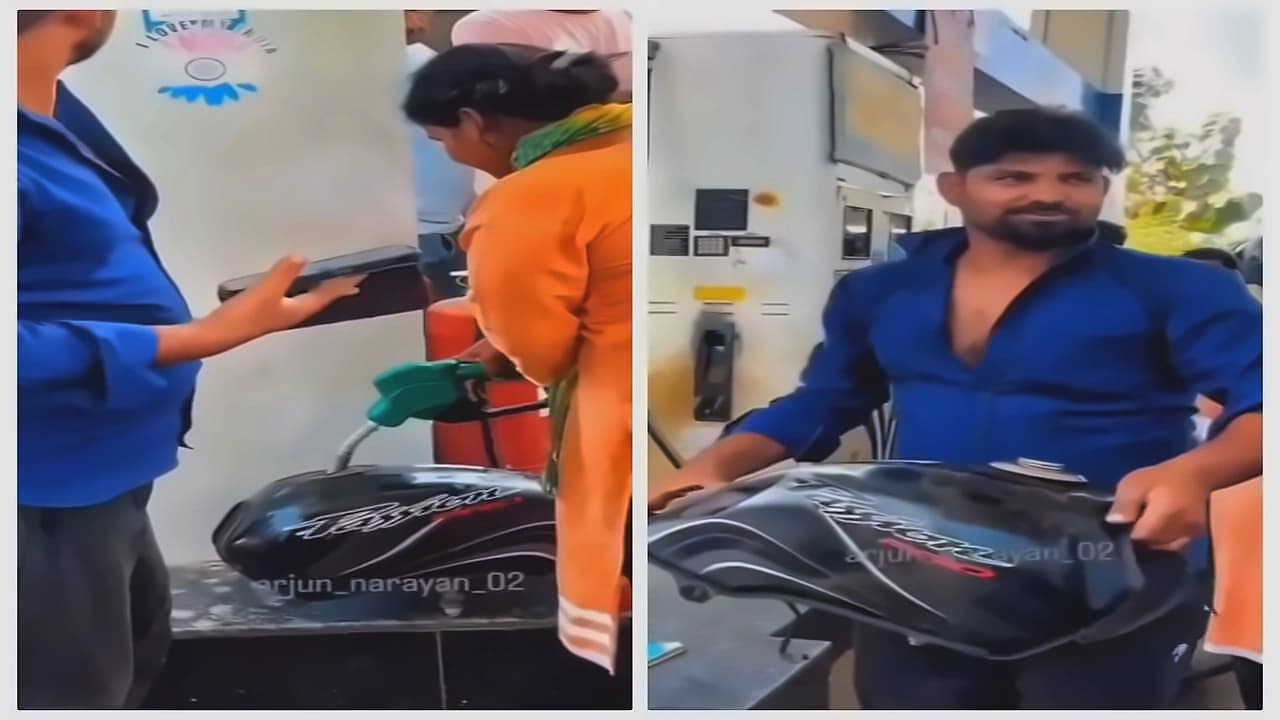
Prime Minister Narendra Modi on Sunday urged citizens to reduce petrol and diesel consumption through comprehensive measures including public transport usage, carpooling, and avoiding non-essential foreign travel. According to the government statement, Modi called on citizens to "reduce petrol and diesel consumption by using public transport and carpooling, avoid non-essential foreign travel, postpone overseas vacations and destination weddings, and defer non-essential gold purchases for one year to conserve foreign exchange." He also called on farmers to "cut chemical fertiliser use by half, adopt natural farming and switch to solar-powered irrigation pumps." The government emphasized that "There is no reason for anxiety and no reason for citizens to rush to retail outlets" and that "There is no reason to panic. There are sufficient supplies. There is no rationing in place. It's not going to happen." The appeal comes as Indian oil companies are already under heavy pressure due to rising global crude oil prices, with the government's remarks being seen as a signal that the government is preparing for economic challenges arising from the Iran conflict and volatility in global energy markets. Petroleum Minister Hardeep Singh Puri has now reiterated Modi's recent call for austerity to the broader economic pressures created by the conflict, saying it should prompt citizens and policymakers alike to consider ways to reduce the financial burden.
Fuel prices remained unchanged across major Indian cities on Monday, with petrol prices ranging from ₹94.77 per litre in New Delhi to ₹107.46 in Hyderabad and diesel prices at ₹87.67 per litre. According to latest reports, diesel prices also stayed steady, with rates between ₹82.45 in Chandigarh and ₹96.48 in Thiruvananthapuram. However, Moneycontrol reports indicate that petrol prices increased by ₹0.04 per litre in Kolkata to ₹105.45, while diesel prices rose by ₹0.15 per litre in Chennai to ₹92.38. The Centre has repeatedly dismissed reports of an 'impending' revision in petrol and diesel rates, though speculation has intensified following recent developments. With global crude oil prices breaching the $104-per-barrel mark on Monday, following US President Donald Trump's response to Iran's latest proposal, the government's stance on fuel pricing remains under scrutiny amid rising global energy costs.
Addressing concerns about fuel availability, Oil Secretary Neeraj Mittal assured that India has maintained adequate supplies through strategic measures including diversified imports and fiscal support. He revealed that India has secured additional energy cargoes, increased procurement from existing suppliers and absorbed part of the price shock through fiscal measures, including excise duty cuts on petrol and diesel. The government has also procured from other sources and other countries to manage supply risks. The official noted that "The constraint has not changed at all. In fact, it is a shade worse" but India has managed to get 14 ships out of the war-hit Strait of Hormuz during the crisis period. India's large refining base has helped cushion the impact of supply shocks, allowing the country not only to meet domestic demand but also continue exports of refined petroleum products. Mittal also highlighted that "The government was exploring 'creative ways' to expand strategic reserves while generating returns from stored crude."