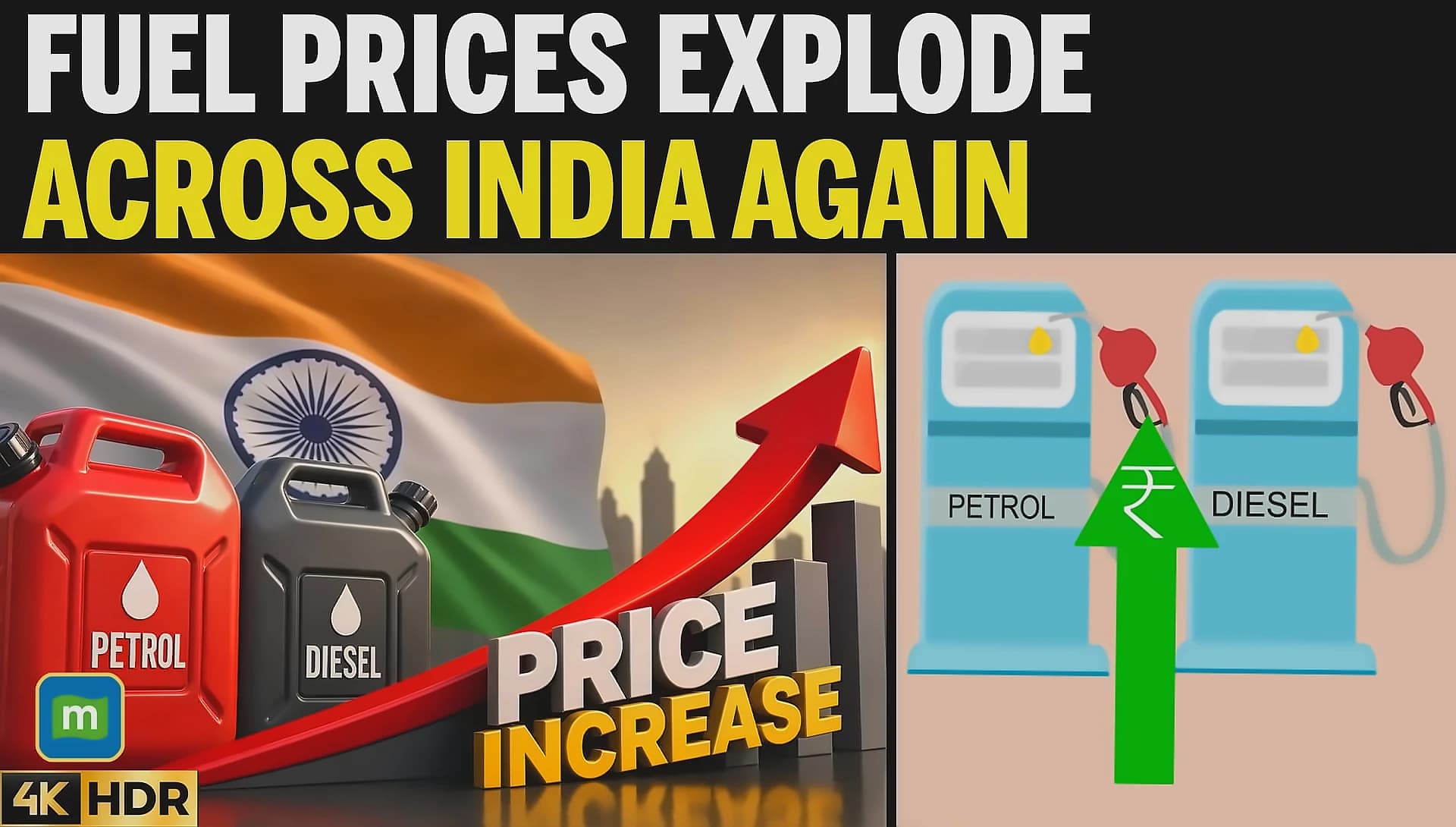
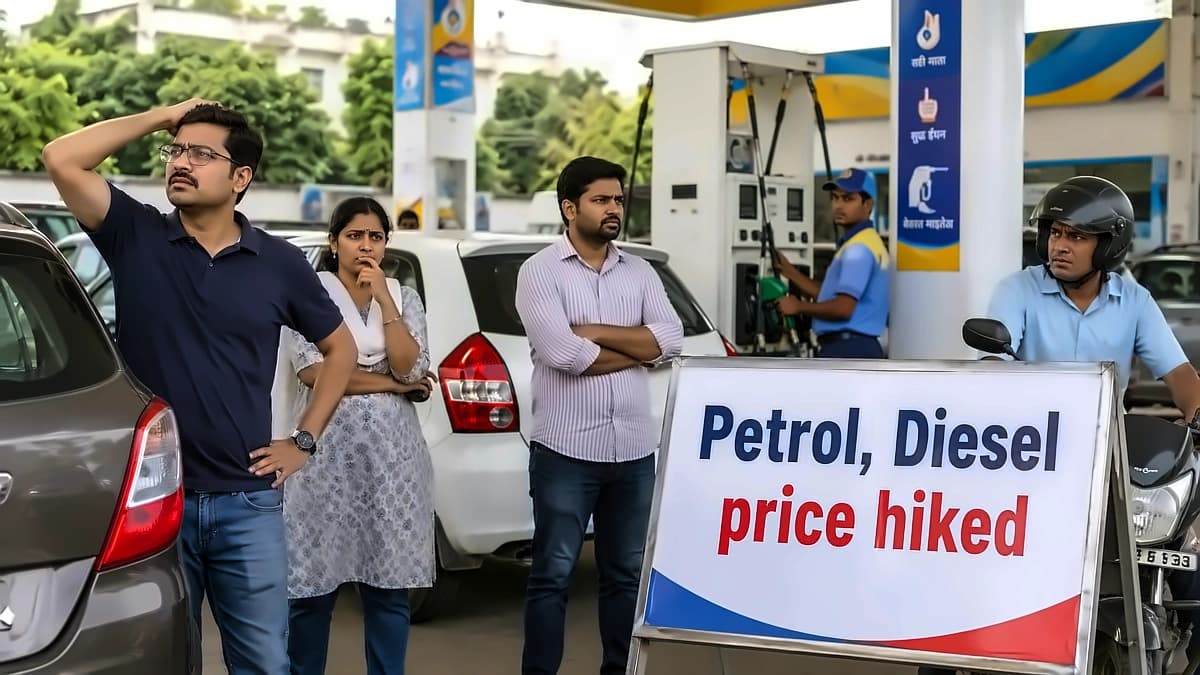
Petrol and diesel prices in India are expected to rise by May 15, with potential increases of ₹4-5 per litre according to latest reports from India Today. At an inter-ministerial briefing in New Delhi, Joint Secretary of the Ministry of Petroleum and Natural Gas Sujata Sharma said there are "no immediate plans" to hike fuel prices, though this statement is carefully worded and rules out nothing beyond the immediate term. Sources indicate a ₹4-5 per litre hike is coming soon, with analysts modelling the Strait of Hormuz disruption scenario expecting a first round of ₹10 per litre, followed by further hikes if crude stays above $100. India Today reports that domestic LPG prices are also expected to spike alongside the fuel price revision. Current retail prices show petrol at ₹94.77 per litre in Delhi and diesel at ₹87.67 per litre, with domestic LPG cylinders priced at ₹913. The government last revised retail prices in 2024, cutting them by ₹2 per litre ahead of national elections.
Oil marketing companies are facing unprecedented financial pressure, with Indian Oil Corporation, Bharat Petroleum, and Hindustan Petroleum estimated to be losing nearly ₹30,000 crore every month due to the widening gap between controlled pump prices and surging import costs. According to PTI reports, the cumulative under-recovery of petrol, diesel and LPG stands at around ₹30,000 crore in a month since mid-March. The under-recovery on petrol sales is ₹20 per litre, while diesel faces a much higher under-recovery of ₹100 per litre. The strain became much deeper after global crude oil moved from about $70 per barrel to around $126 per barrel, following the escalation of conflict in West Asia which disrupted key shipping routes and raised fears of sustained supply restrictions. At current crude prices between $135–165 per barrel, OMCs lose ₹18 on every litre of petrol and ₹35 on every litre of diesel sold according to Macquarie Group, while ICRA puts losses at ₹14/litre on petrol and ₹18/litre on diesel. The situation added pressure on balance sheets and refining margins across the sector, with companies facing additional expenses linked to emergency crude sourcing, higher freight costs, vessel diversions, elevated marine insurance premiums and refinery optimisation requirements.
The crude oil price has experienced a dramatic jump from approximately $75 per barrel to above $100 per barrel in the last three months, creating significant pressure on fuel companies. The Strait of Hormuz, which handles nearly 20% of the world's oil flows, has been experiencing major disruptions since the Middle East war intensified, with tanker traffic facing delays and security risks. The IEA warns the conflict is removing around 14 million barrels per day from global supply. India imports over 85% of its crude oil requirements, making this a direct supply emergency with a direct rupee cost. Brent crude was trading near $72 per barrel before the United States and Israel launched strikes on Iran on February 28, escalating tensions across West Asia. As the conflict intensified and tanker movement through the Strait of Hormuz faced disruptions, Brent crude prices surged sharply and briefly touched levels close to $144 per barrel after Iran retaliated and shut the route, disrupting parts of global oil transit. During April, daily under-recoveries were estimated at around ₹18 per litre for petrol and ₹25 per litre for diesel, translating into daily losses of nearly ₹600-700 crore for oil marketing companies.
The Centre is reportedly aiming to share the burden between consumers, the exchequer and companies while trying to avoid any sharp shock to household budgets and transport costs across the country. The government already cut excise duties by ₹10 per litre on petrol and diesel to cushion the blow, which brought OMC daily losses down from roughly ₹2,400 crore to ₹1,600 crore at peak. However, that is still nearly ₹58,000 crore annualised in excise revenue forgone, before counting OMC shortfalls. The special additional excise duty on petrol was reduced to ₹3 per litre from ₹13 per litre, while diesel excise duty was brought down to zero from ₹10 per litre. At peak crude price levels, the government's effective absorption of fuel costs was estimated at around ₹24 per litre for petrol and ₹30 per litre for diesel. While several countries witnessed sharp fuel price increases following the global energy shock, India maintained stable retail prices. Petrol prices reportedly increased around 34% in Spain, 30% in Japan, Italy and Israel, 27% in Germany and 22% in the United Kingdom. In India, petrol prices remained at ₹94.77 per litre while diesel prices stayed at ₹87.67 per litre without mobility restrictions or supply disruptions.
While retail prices remain unchanged, industrial prices have already seen significant increases. IOC raised bulk diesel prices by ₹22/litre to ₹109.59, while BPCL followed with an ₹18.75/litre increase on bulk diesel. Commercial LPG was hiked by ₹993 from May 1, with a Delhi 19 kg cylinder now costing ₹3,071.50. Premium petrol went up ₹2-2.35/litre. IOC's own statement confirmed retail petrol, diesel, and domestic LPG were "unchanged for the general public, which constitutes around 90% of total consumption." The segmented approach, shielding households and passing costs to commercial users, is a deliberate policy buffer, with logistics companies, hospitality, catering, and aviation already absorbing the squeeze. Domestic LPG prices were kept unchanged during the latest revision on 1 May, while commercial LPG prices were increased by nearly ₹1,000 per cylinder.