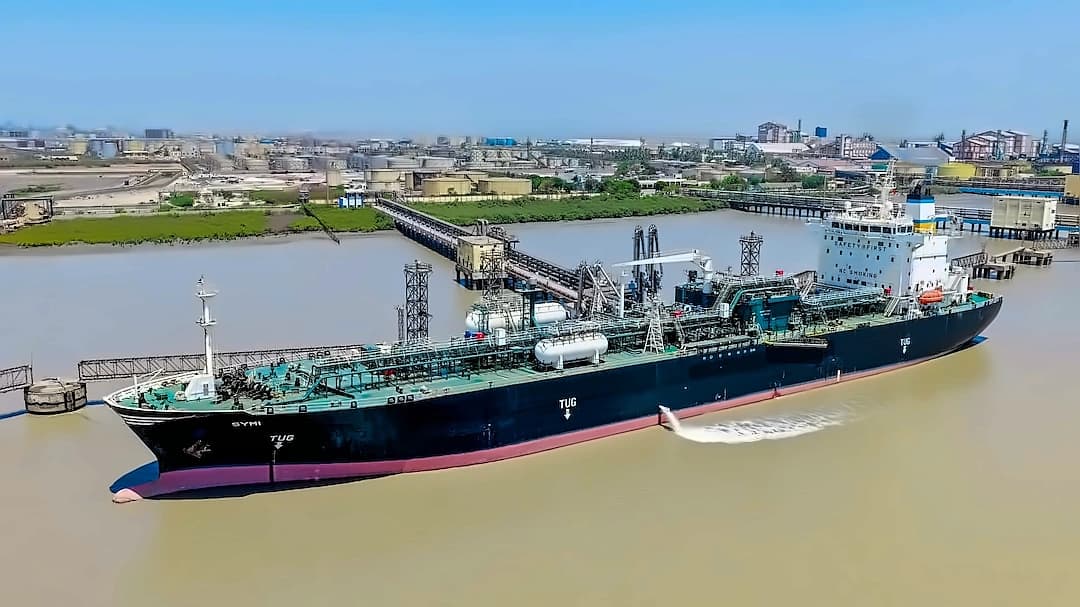
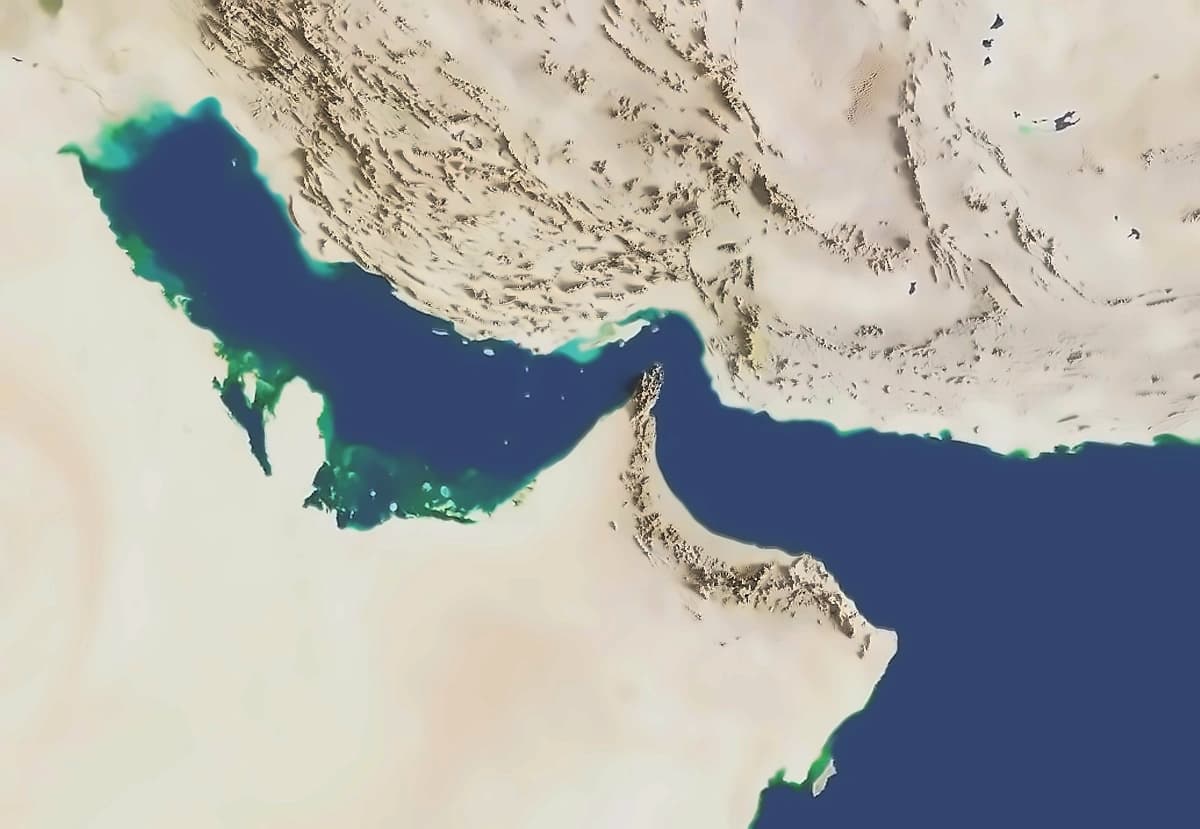
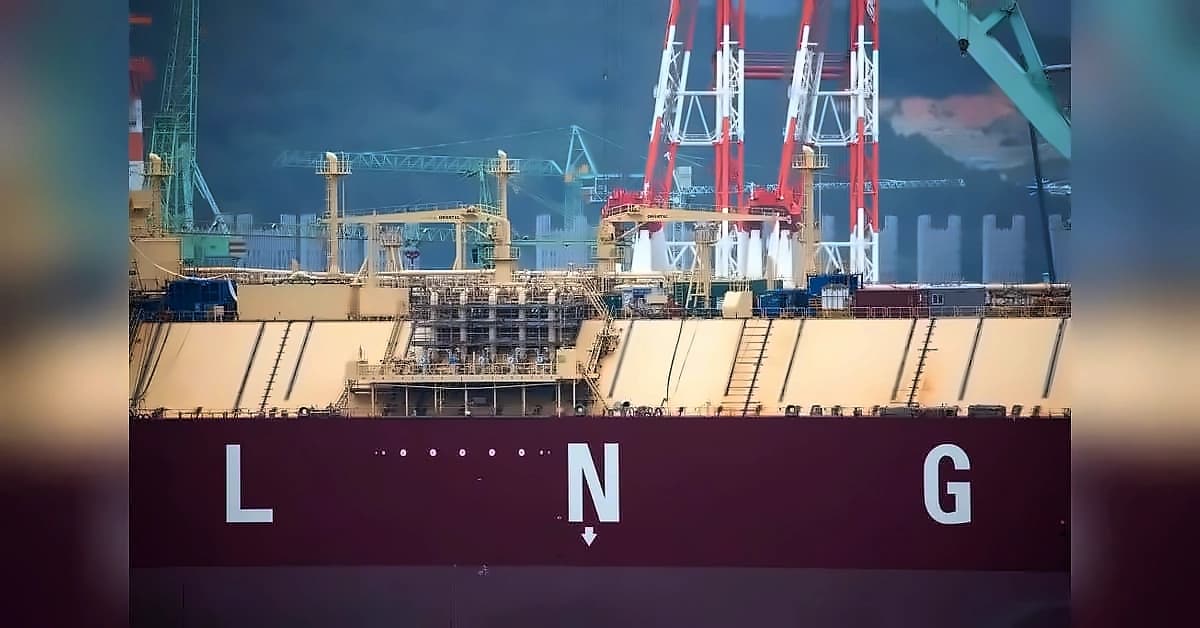
The first liquefied natural gas (LNG) shipment since the onset of the West Asia conflict appears to have successfully exited the Strait of Hormuz, marking a significant development in global energy markets. According to reports from ABP Live Business, ship-tracking data shows the LNG carrier Mubaraz, which had loaded cargo from Abu Dhabi National Oil Co.'s Das Island facility in early March, has now moved past the southern tip of India. The vessel remained within the Persian Gulf for weeks before its signal disappeared around March 31, later reappearing east of India on April 27, suggesting it may have completed the high-risk passage through Hormuz.
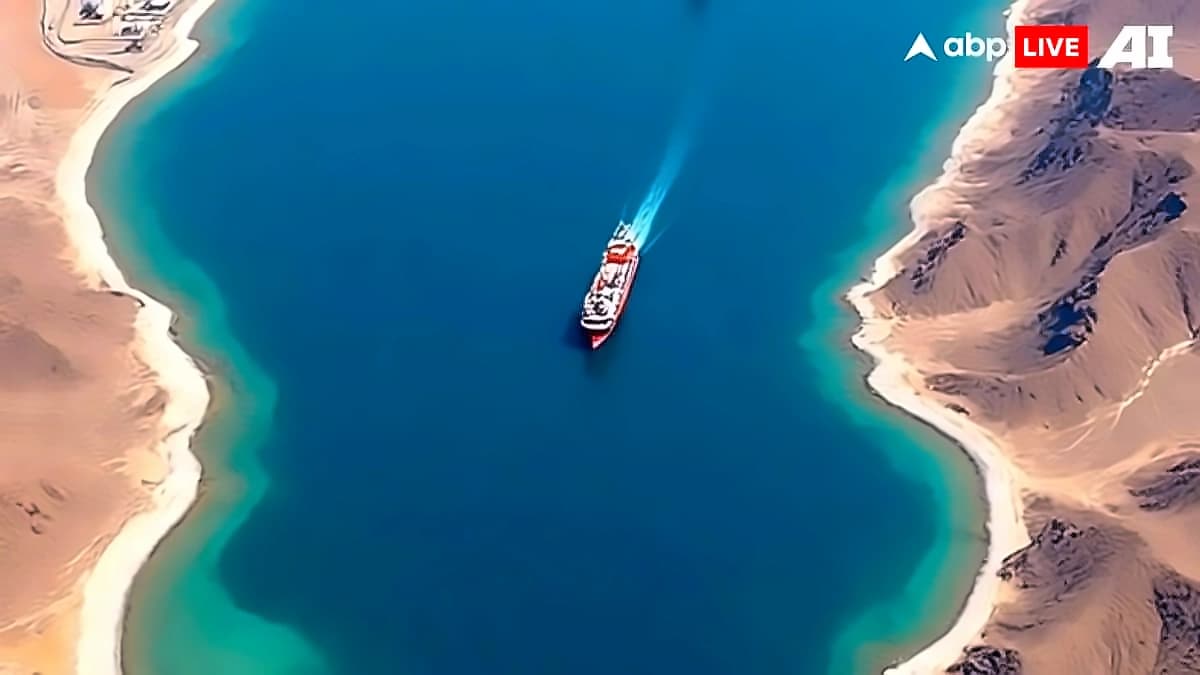
The Strait of Hormuz represents a critical artery for global energy supplies, handling roughly a fifth of the world's LNG flows. As reported by ABP Live Business, since the outbreak of conflict, rival blockades imposed by Iran and the US have reduced vessel movement to near-zero levels. This disruption has significantly tightened global LNG supply, pushing prices sharply higher and raising concerns about energy security across key markets. The tanker is currently indicating China as its destination following its successful transit.
While a single shipment does not signal a full reopening of the route, it could mark an early sign of easing pressure in global LNG supply chains. According to ABP Live Business, earlier in April, tracking data had indicated that an empty LNG tanker exited the Strait of Hormuz, but no vessel carrying a confirmed LNG cargo had been seen making the journey until now. Several ships transporting Qatari LNG had approached the strait in recent weeks but ultimately turned back due to persistent tensions.
Navigating the Strait of Hormuz presents significant operational challenges, with vessels often switching off their tracking transponders to avoid detection. As reported by ABP Live Business, data can also be jammed or delayed, making it difficult to confirm movements in real time. In the case of the Mubaraz, the temporary loss of signal followed by its reappearance has fuelled speculation that it successfully navigated the contested waterway. Abu Dhabi National Oil Co. (Adnoc), which owns the vessel through a subsidiary, has not responded to requests for comment.
Markets are likely to remain cautious as geopolitical risks continue to dominate the outlook, with the sustainability of such transits depending on whether tensions in the region stabilise or escalate further. According to ABP Live Business, while this development could provide some relief to global LNG supply chains, the route remains one of the world's most disrupted energy corridors due to ongoing regional tensions.