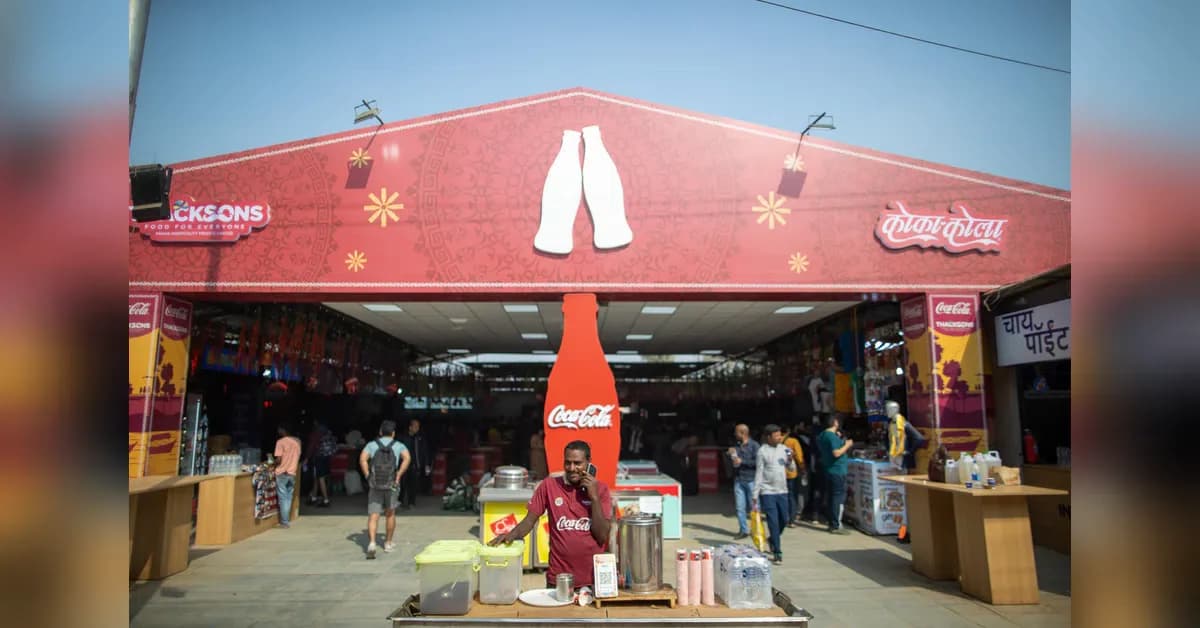
The closure of the Strait of Hormuz has disrupted aluminum exports from Persian Gulf smelters, which account for approximately one-fifth of global supplies outside China. According to reports from Business Standard, this geopolitical conflict has created significant supply chain challenges for beverage manufacturers in India, where Diet Coke is only available in metal cans. The disruption has resulted in Diet Coke shortages across India as the country faces extreme summer temperatures with mercury nearing 49 degrees Celsius (120 degrees Fahrenheit). The supply constraints have particularly impacted India's beverage industry, where the aluminum shortage has created a Diet Coke scarcity that has prompted creative market responses including "Diet Coke Parties" where entrants pay up to $16 for access to jalapeno-spiked cola cocktails and raffles with scarce cans.
The aluminum shortage has created unprecedented market conditions, with primary metal prices on the London Metal Exchange increasing by half over the past year to around ₹3,000 per metric ton. As reported by Business Standard, conditions in the aluminum market are the most bullish in 50 years, with Citigroup Inc. forecasting potential further increases of 50% next year. The supply constraints have particularly impacted India's beverage industry, where the aluminum shortage has created a Diet Coke scarcity that has prompted creative market responses. The aluminum shortage poses significant risks to the global energy transition, as clean electrical energy generation from wind and solar overtook gas for the first time last month, with Chinese exports of solar panels, electric vehicles, and batteries jumping 31%, 75%, and 45% respectively in value this year.
The aluminum shortage poses significant risks to the global energy transition, as clean electrical energy generation from wind and solar overtook gas for the first time last month. According to Ember, a transition-focused thinktank, Chinese exports of solar panels, electric vehicles, and batteries have jumped 31%, 75%, and 45% respectively in value this year as consumers worldwide seek power products independent of oil and gas. However, aluminum is crucial for grid infrastructure, with global power networks consuming about twice as much aluminum as copper for transmission cables and electrical equipment. The transition to renewable energy is creating additional demand for aluminum, making the current supply shortage particularly problematic for the energy transition timeline.
The aluminum shortage threatens critical infrastructure projects, with some 1,700 gigawatts of clean generation currently completed but stuck in connection queues. As reported by Business Standard, high-voltage transmission lines can cost more than ₹250 crore per mile, making up more than 10% of new project expenses and 80% of some upgrades. The shortage comes at a critical time when $653 billion is expected to be spent on data centers this year alone, creating additional pressure on aluminum demand for grid infrastructure. The aluminum shortage is particularly concerning given the current global push for clean energy infrastructure.
Emirates Global Aluminium PJSC, the largest regional producer, sustained damage from drones and missiles that have frozen thousands of electrolytic cells where molten metal is smelted. According to Business Standard, the company expects restart operations to take up to 12 months, significantly impacting global supply. China, which produces 60% of world aluminum, consumes almost everything it produces, limiting its ability to increase exports, while Indonesia's planned 7.6 million ton smelting capacity expansion faces policy uncertainties that could delay market rebalancing. The Indonesian government announced plans for sovereign wealth fund Danantara to take control of palm oil, coal and nickel exports, which could put off foreign investment needed to support new aluminum plants and potentially reserve metal for domestic manufacturing.