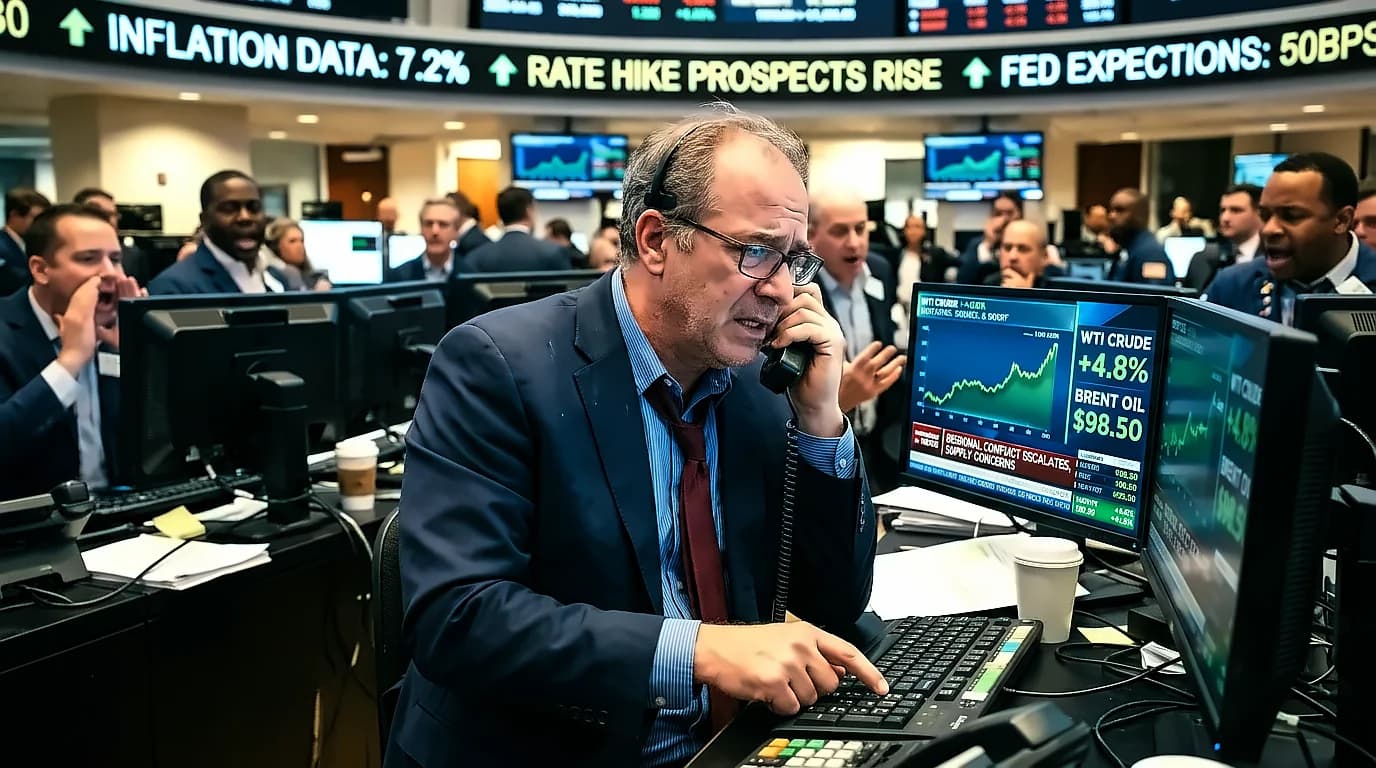
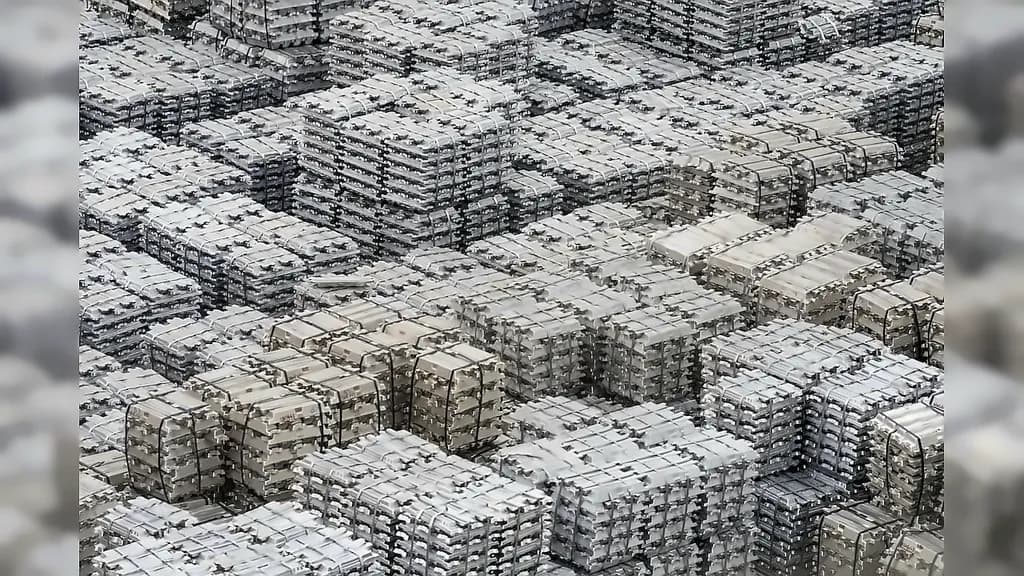
Aluminum prices have surged to a four-year high of $3,500 per metric ton following the Iran war, up from $3,200 per tonne before the conflict began in late February, as reported by Wood Mackenzie. The metal gained 0.3% to settle at $3,388.50 per metric ton on the London Metal Exchange, with prices remaining elevated despite recent gains. The war has triggered the closure of the Strait of Hormuz, a vital waterway through which Middle East output—which accounts for 9% of the world's total—reaches ports in Europe and the United States. Simultaneously, Aluminium Bahrain (Alba), which operates the globe's largest smelter, announced it would cut output by 19% due to the maritime disruption. The closure has revealed the fragility of global supply chains, causing widespread disruptions to energy prices, freight rates, and manufacturing due to critical shortages of materials like aluminium. According to Bank of Baroda's latest report, aluminium prices have climbed 19.6% due to production disruptions in the Gulf region, with the World Bank's headline commodity price index rising by 30.7% between February and May 2026.

Goldman Sachs research indicates that West Asia supply losses will persist longer than initially assumed, with the brokerage downgrading West Asia output by 660kt in 2026 and 1Mt in 2027. Even if the Strait of Hormuz reopens under the announced interim deal, smelters cannot immediately return to full capacity as damaged potlines need repairs and curtailed capacity must be restarted gradually. The bank now expects Bahrain output to return to pre-conflict levels by mid-2027 and the UAE by end-2027. This near-term shock has tightened the global aluminium market balance, with Goldman Sachs now expecting a 720kt deficit in 2026 and a 590kt surplus in 2027 versus a 570kt deficit/1.3Mt surplus previously projected. The brokerage raised its Indonesian primary aluminium production forecast to 1.7Mt in 2026 and 2.9Mt in 2027 from 1.6Mt and 2.5Mt respectively, citing faster ramps at Adaro, Taijing Morowali and Juwan Weda Bay facilities.
Regional price differentials have emerged as a significant factor in aluminum markets, with so-called physical premiums trading sharply above prewar baselines. The Midwest Premium for the U.S. reached $2,529 per tonne, the Rotterdam Duty-Paid Premium hit $612 per tonne, and the Japanese Premium reached $507 per tonne as of early May, according to CME Group. With a historically high Midwest Premium, U.S.-bound aluminum is fetching over $6,000 per tonne, squeezing manufacturers in a country that imports the vast majority of supplies. Roughly 12% of these imports come from the Middle East, an area American buyers have increasingly turned to with tariffs and sanctions significantly limiting import origins. The impact is felt throughout global manufacturing, with automotive assembly lines cutting output, aerospace deliveries slipping, construction costs rising, and renewable energy rollouts stalling. As per Bank of Baroda's report, the broader commodity rally has been driven by a 44.9% increase in energy prices, with average crude oil prices surging by 47.7% and natural gas prices rising by 33.2%.
China's primary aluminum production hit a fresh monthly record in May, with annualized output of the first five months of the year reaching 46.5 million tons, significantly above the government-imposed cap of approximately 45 million tons, as reported by Bloomberg. David Wilson, senior metal strategist at BNP Paribas SA, noted that old smelter capacity is being replaced by more energy-efficient technology, allowing the industry to produce more aluminum on the same amount of energy. However, analysts in China suggest there's limited room for further growth beyond this year, as most possible efficiency gains have already been implemented over recent years. China's shift from aluminium exporter to potential importer, coupled with its production limits and removal of export tax rebates, further strains global supply. This, along with slowed production, means that China's exports could drop by as much as 9% in 2025, with further declines expected in 2026. According to Bank of Baroda's analysis, metal and mineral prices rose 9.7% driven by supply concerns and growing demand from infrastructure and clean energy sectors, with tin prices remaining elevated because of export restrictions and strong demand from the artificial intelligence industry.
The Iran war has sent aluminum prices higher this year, unnerving a slew of global industries that rely on the base metal to manufacture cars, canned goods and aircraft. Wood Mackenzie had already predicted a 200,000-tonne deficit for this year, possibly rising to 800,000 tonnes by 2028, sharply higher than the roughly 50,000-tonne shortage expected as of late 2025 when electric vehicles, renewable energy and AI data centers were taking demand to new heights. The closure of ports and plants is likely to cause significant turbulence in the aluminum market, with the loss of Gulf States' outflows significantly tightening the balance over the next 6-12 months. Some carmakers, particularly EV manufacturers using around 25% more aluminum than combustion model makers, have also announced production cuts until there is greater clarity about the supply chain's future. The crisis caused by the Hormuz disruptions has transformed this chronic structural issue into a pressing problem, with India's midstream and downstream aluminium segments now facing a contraction of 40 to 50%. According to Bank of Baroda's analysis, commodity markets are likely to remain volatile as geopolitical uncertainty persists and climate risks intensify, with the report warning that even after the war ends, it will still take time for supply chains to normalise and freight costs to come down.