The threat of a US diesel export ban has created significant arbitrage opportunities as European prices surge ahead of American futures. US diesel futures plunged near parity with European contracts this week, compared with an average of about 23 cents a gallon in the first eight months of the year. One shipbroker noted that activity has picked up as expectations grow for curbs on diesel exports, with ships being booked for the end of September and October. Rates for shipping on products tankers across the Atlantic have hit their highest since early August, indicating rising demand to move cargoes. Several traders and brokers said there has been heightened interest in booking tankers to take US supplies to Europe following Trump's comments this week.
A White House official called reports of a 90-day diesel export ban 'fake news' following significant market reactions, according to Reuters. The official stated that reports of the US considering a flat, temporary export ban were incorrect, directly contradicting earlier reports from Politico about the administration's consideration of such measures. US ultra-low-sulfur diesel futures fell more than 6% on Wednesday after the initial reports, with the October futures contract trading at $4.7512 a gallon, down 3.9%. US Energy Secretary Chris Wright had earlier indicated that such a ban would not work and could push up gasoline and jet fuel prices, despite the administration discussing voluntary measures. Trump had previously expressed support for a diesel export ban on Tuesday, as Republican candidates in closely contested November election races backed the measure as a way to bring down record fuel prices.
Europe is desperate for diesel after the Iran war led to a swath of lost supply and attacks on Russian oil refineries by Ukraine added to tightness in the global market. The US is now the bloc's top external supplier, creating concern among European politicians about a ban because there is now a shrinking pool of alternative suppliers. In the event of a ban, US diesel prices are widely expected to plummet, at least in the short run, leaving America's allies including Brazil and the UK urgently needing to secure fuel. European diesel prices have hit a record on September 15, with the Northwest Europe benchmark touching $1,642.25 per metric tonne, the highest level since assessment began. According to S&P Global, European diesel prices have overtaken jet fuel prices, with both West Asian and Russian supply lines under strain.
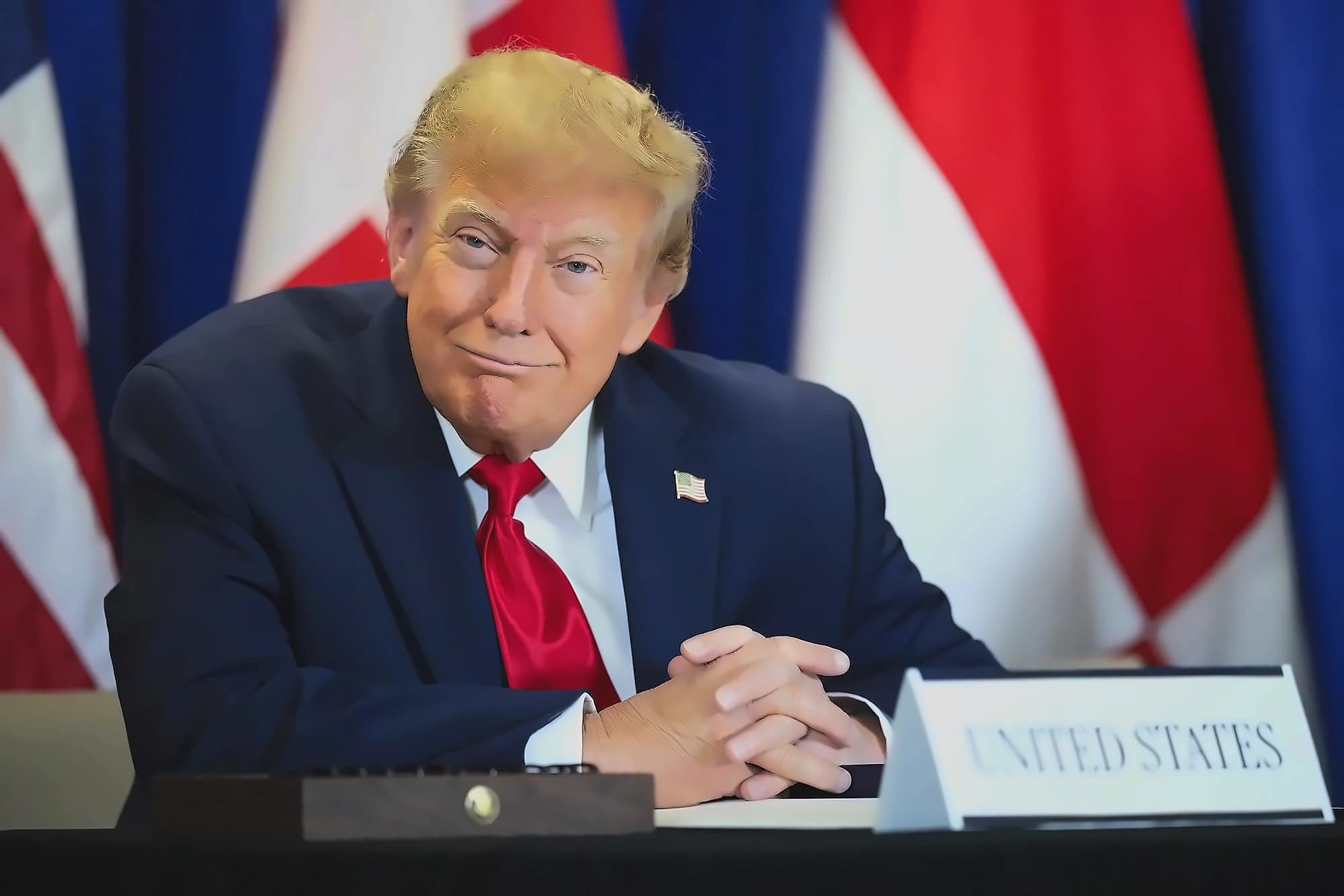
Morgan Stanley analysts warn that a US diesel export ban could push gasoline prices higher through counterintuitive market dynamics. The bank estimates that a ban would force refiners to cut runs by about 2 million barrels a day, with gasoline output falling by roughly 650,000 barrels a day even if processors shifted yields toward gasoline. Morgan Stanley analysts, including Martijn Rats, stated that 'a diesel export ban could have the counterintuitive effect of an increase in gasoline prices if US refiners cut runs.' Goldman Sachs commodities research co-head Daan Struyven reached similar conclusions on Bloomberg Television, noting that cheaper diesel would give refiners a reason to produce less, and because gasoline and diesel are usually produced together as a bundle with some flexibility, it would likely reduce the availability of gasoline. A ban is not Morgan Stanley's base case, but the analysts expect oil prices to stay volatile while the debate continues.
Energy industry figures have staunchly opposed possible export restrictions, warning they would provide only short-term price relief before ushering in even higher costs. Erik Milito, head of the National Ocean Industries Association, stated that an export ban 'would likely disrupt supply chains and harm American oil producers, while failing to lower prices at the pump and potentially driving them higher.' Mike Sommers, president of the American Petroleum Institute, warned that 'restricting U.S. energy exports would only compound the problem — exacerbating refining challenges and ultimately hurting consumers.' The calls have split the administration, with Interior Secretary Doug Burgum and Energy Secretary Chris Wright arguing against a ban. An external adviser to the administration said there had been 'a bunch of frantic outreach' in recent days to find alternatives to an export ban, with concerns that the administration could repeatedly extend a temporary ban, creating a precedent for greater government intervention in energy markets.