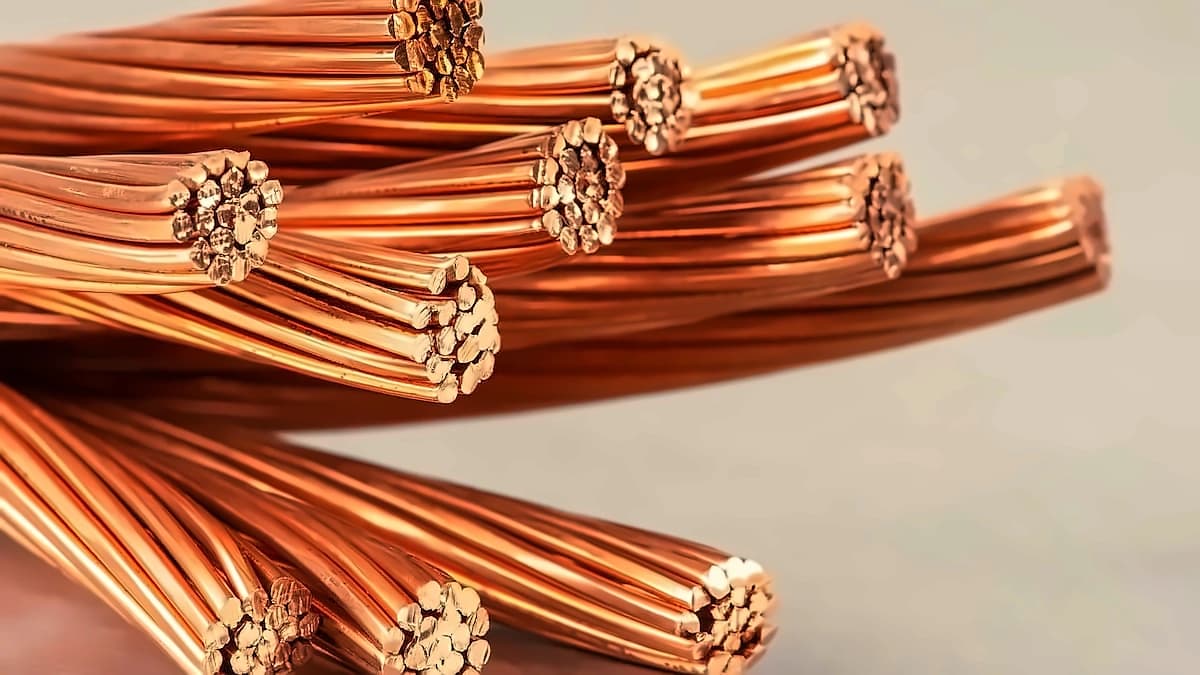
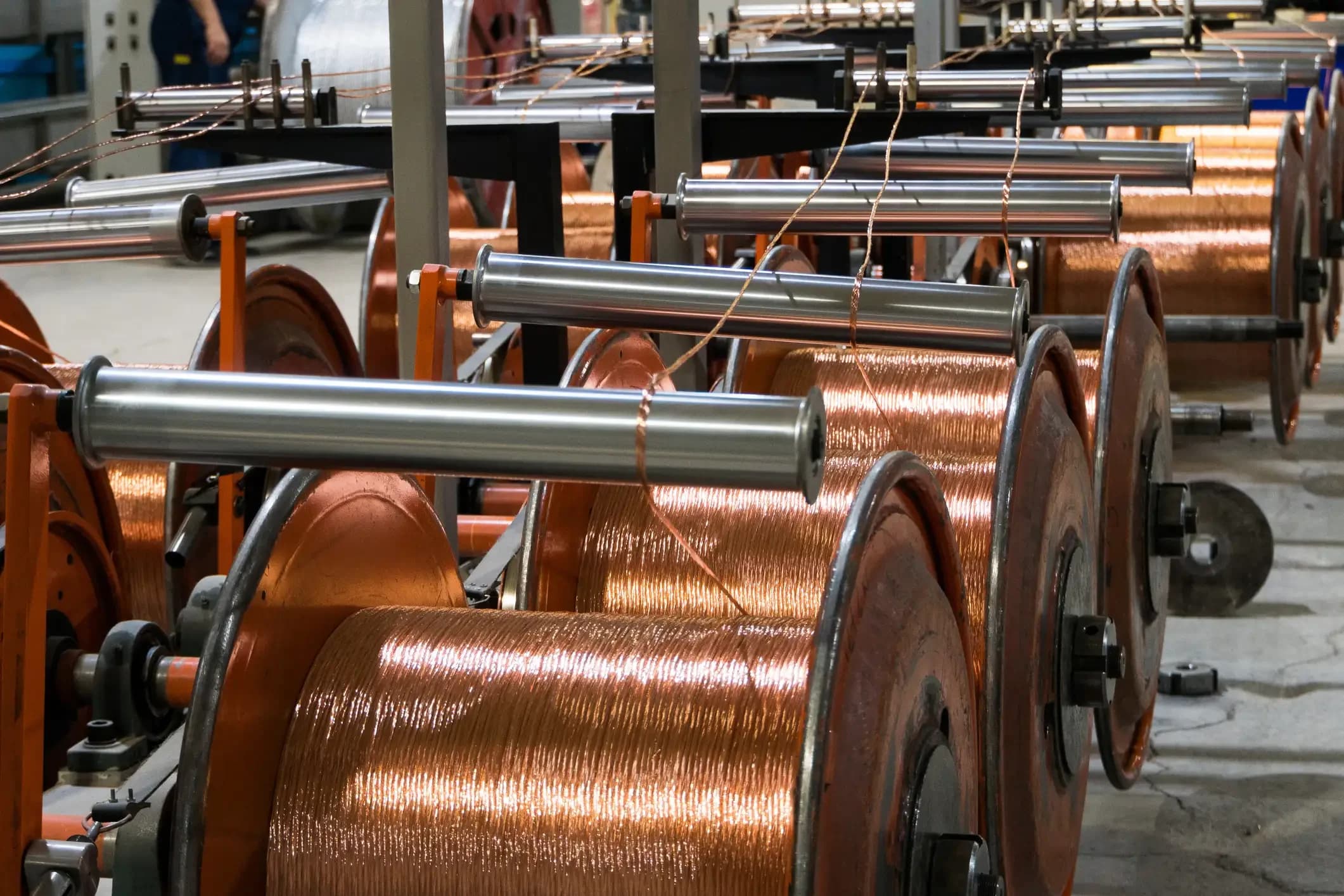
Copper prices have reached unprecedented levels globally, with LME copper settling at $14,196.50 per metric ton on Monday, marking its highest level since January 2026. The red metal rallied for an eighth consecutive session to touch this record high, approaching the all-time peak of $14,527.50 per tonne seen in January. On the COMEX, copper futures jumped to a record high of $6.69 per pound, widening their premium to LME copper above $500 per ton in anticipation of potential US tariffs on refined metal imports. The surge reflects mounting supply risks from mine disruptions around the world, with the price rally maintaining firmness despite ongoing US-Iran war concerns and continued closure of the Strait of Hormuz.
The closure of the Strait of Hormuz is creating significant supply chain disruptions that are reshaping copper market dynamics. According to Citi's analysis, the strait closure is impacting copper production through scrap recycling operations, which are highly dependent on energy and transportation infrastructure. The closure would drive up energy prices and push up transport insurance premiums, fuel surcharges, and other transit fees, thereby dampening suppliers' willingness to engage in copper scrap recycling. Citi estimates that if global refined copper inventories rise from the current level of approximately 1.3 months of consumption to 2 months, with the inventory build completed within two years, the required copper price would be roughly $14,423/tonne. If inventories rise to 3 months of consumption, the price needed for a two-year build would reach as high as $27,885/tonne. Additionally, a squeeze on Middle Eastern supplies of sulfur has threatened the production outlook for some mines in Africa, compounding existing disruptions at other major sites across the world. The US-Iran conflict disrupted exports of sulphur and sulphuric acid from the Middle East since March, which are crucial materials for copper refining, with China's subsequent stoppage of these exports further tightening the net supply.

Despite global supply constraints, copper demand remains resilient, primarily driven by China, the world's biggest user, which has seen robust consumption from power grids, renewable energy and artificial intelligence sectors. According to Li Xuezhi, head of research at Chaos Ternary Futures Co., the combination of supply issues and solid demand is leading industrial metals to recover notably as worries over the Iran war ease. In China specifically, refined copper output stood at 1.05 million tons in April, down 3% from March, after concentrate treatment charges plunged further and invoicing restrictions tightened supply of scrap as feedstock, according to Beijing Antaike Information Co.. Production may drop further in May due to maintenance at smelters, with other base metals also showing strength as aluminum rose 0.3% to $3,574 per ton and tin climbing 0.5% to $55,070.
The potential for US tariffs on refined copper imports is creating additional supply dynamics, with the US Commerce Secretary due to deliver an updated report on the domestic copper market by June 30 as part of broader efforts to bolster supplies of the metal critical to growing electrification. The potential duties have the effect of luring refined copper into the US and draining supplies elsewhere, adding another layer of supply pressure to an already tight market. This policy response reflects growing concerns about copper supply security as the metal becomes increasingly critical for clean energy and AI infrastructure.
The bullish momentum is supported by fundamental demand drivers that are reshaping the global economy and mitigating traditional economic downturn risks. Clean energy technologies require substantial copper intensity, with each battery electric vehicle containing approximately 100 kg of copper, creating disproportionately large copper demand increments relative to the industrial base being replaced. Citi notes that historical data shows during major economic downturns, such as the second oil shock in the 1980s and the 2008 global financial crisis, copper demand fell by an average of 3% to 5% annually. However, assuming structural demand remains constant, if cyclical demand drops by 5%, global refined copper consumption would only decrease by about 1.7%, and if cyclical demand falls by just 3%, total global demand would remain largely flat. The demand for copper in energy transition infrastructure and AI deployment operates on long-duration capital investment decisions with ten-to-twenty-year horizons, fundamentally altering the traditional cyclical rhythm of copper markets.