Zinc prices have staged a remarkable rally, with MCX zinc futures surging to an all-time high near ₹393 per kg and London Metal Exchange (LME) zinc prices climbing to their highest levels in nearly four years. According to reports from The Economic Times, this performance makes zinc one of the best-performing base metals in the global commodity market. The surge reflects growing concerns about the availability of refined zinc in the global market, with mine production growth failing to keep pace with consumption in several regions.
The recent price surge is primarily driven by heavy rainfall and flooding in parts of China, the world's largest producer and consumer of zinc, which have disrupted mining and smelting activities. As reported by The Economic Times, production cuts or lower output reported by major mining companies have reduced zinc concentrate availability in the market. LME warehouse inventories have also declined considerably, signaling a shrinking cushion against supply shocks. The International Lead and Zinc Study Group (ILZSG) expects the global refined zinc market to remain in a slight deficit this year, with demand marginally exceeding production.
Nearly 50-60% of global zinc consumption is used for galvanizing steel, a process that coats steel with zinc to prevent corrosion and extend its lifespan. According to The Economic Times, galvanized steel is widely used in buildings, bridges, railways, automobiles, power transmission towers, household appliances, and infrastructure projects. The resilience in infrastructure spending and manufacturing activity has boosted demand for galvanized steel, supporting the elevated zinc prices. Worldwide refined zinc demand is expected to reach about 14 million tonnes in 2026, while production is projected at around 13.99 million tonnes, pointing to a small but important market deficit of approximately 19,000 tonnes.
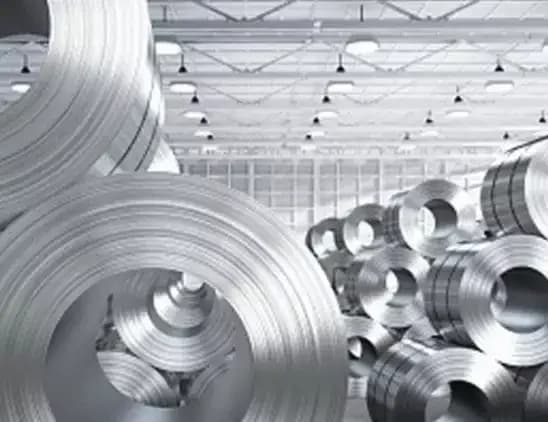
Long-term demand prospects for zinc remain constructive, supported by rapid urbanization across Asia, growing infrastructure investment, expansion in renewable energy projects, and automotive manufacturing. As reported by The Economic Times, the increasing use of galvanized steel in climate-resilient infrastructure and renewable energy installations is likely to remain a key demand driver. The transition toward cleaner energy systems could create fresh opportunities, with grid expansion projects, wind and solar infrastructure, and emerging zinc-based battery technologies expected to contribute incrementally to future consumption.
The medium-term outlook for zinc remains positive as long as supply conditions stay tight and inventories remain low, according to The Economic Times. The projected market deficit and steady industrial demand suggest that prices could remain elevated in the coming months. However, prices have already risen sharply, and the market appears technically overextended. If higher prices encourage additional mine supply or if economic growth slows and industrial demand weakens, zinc could experience a healthy correction from current levels. The broader trend remains bullish, but periodic profit-booking and price corrections cannot be ruled out.