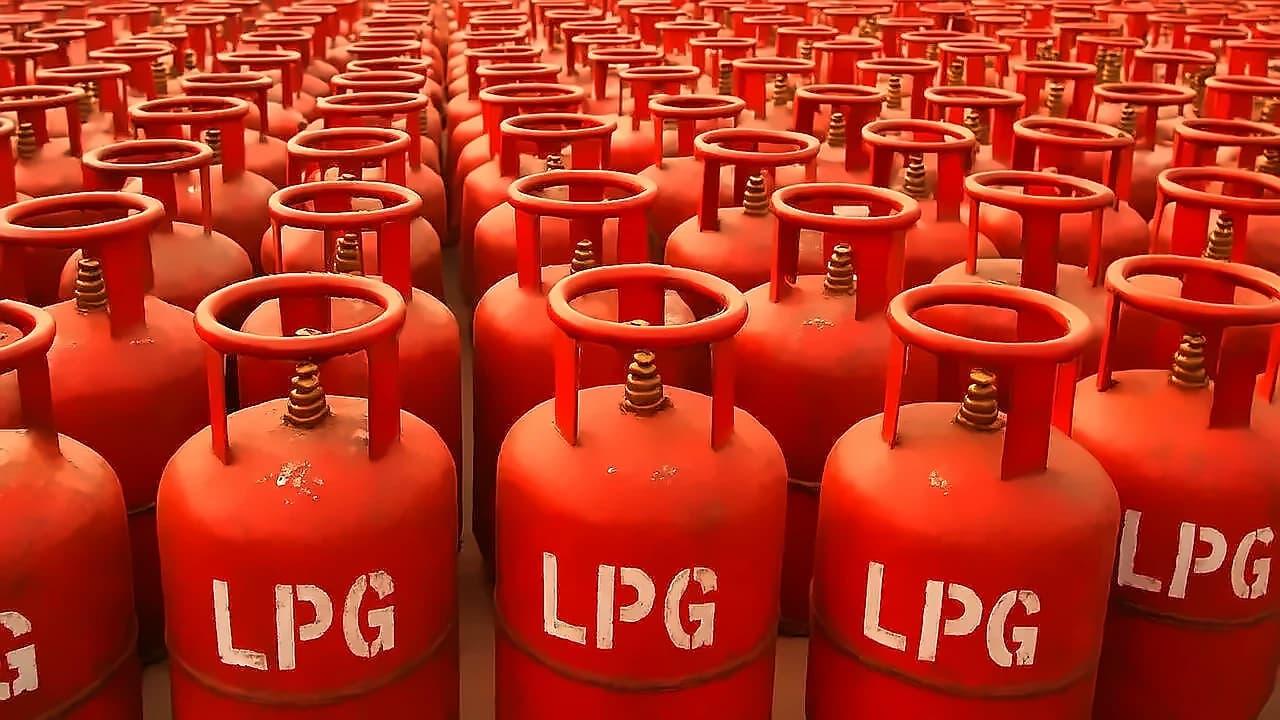
State-owned oil marketing companies announced a ₹1,000 increase in commercial LPG cylinder rates on May 1, marking the third revision since March 1 when the Iran conflict began. According to Hindustan Times, this represents the third blow to the service industry following a ₹195.50 jump in April and a ₹114.50 hike on March 1. The price of a 19-kg commercial LPG cylinder will cost ₹3,071.50 in Delhi from today, with no change in domestic cylinder prices. The latest adjustment completes what industry experts describe as a triple blow to the service industry, particularly affecting restaurants and small eateries that depend heavily on this fuel for daily operations. As per The Hindu, the cumulative increase stands at ₹1,303 in two months since the conflict began.
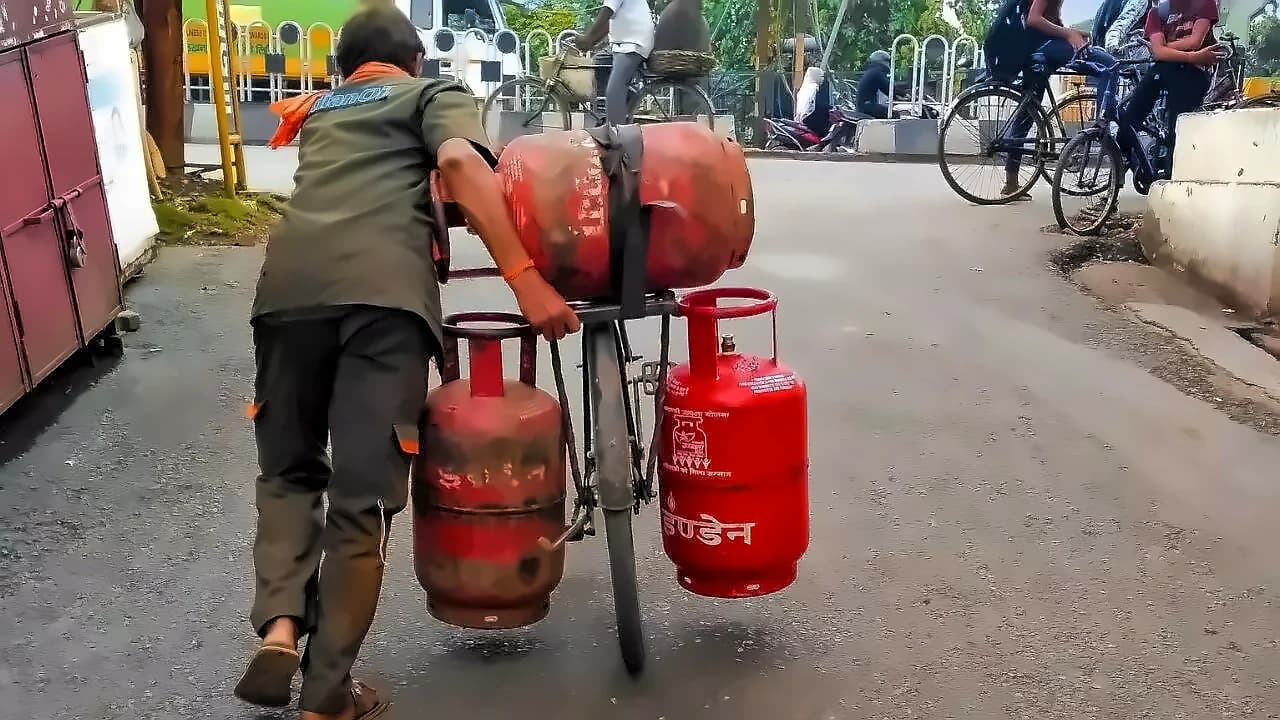
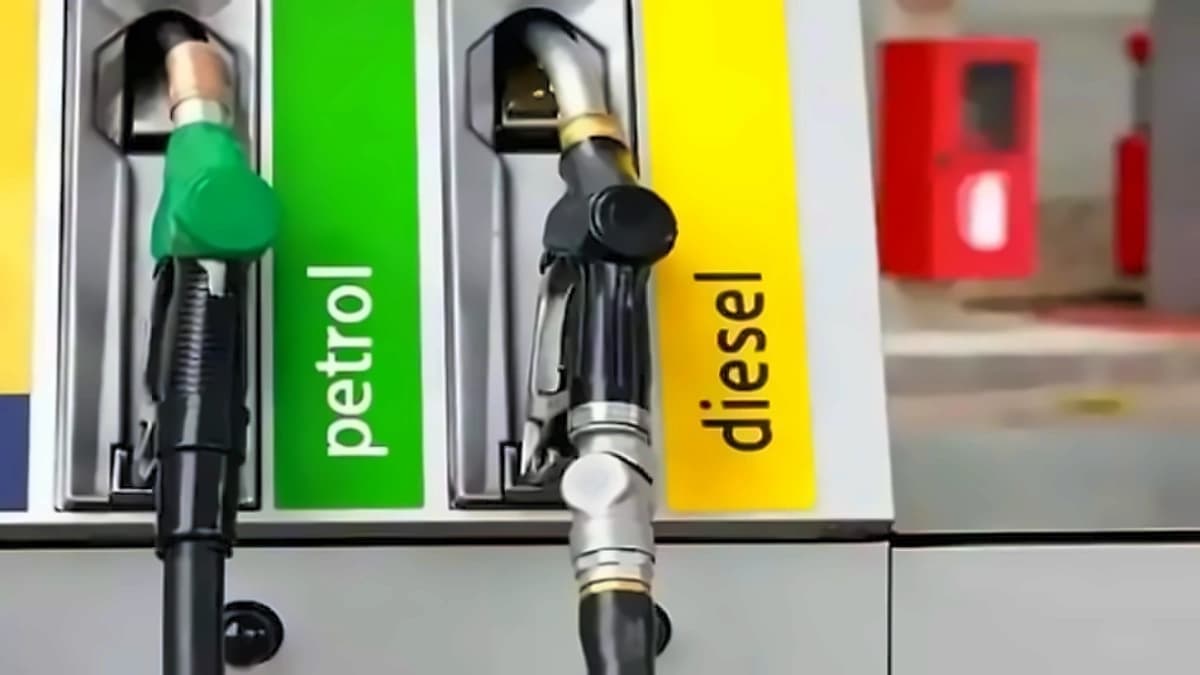
The price increase affects both commercial and portable cylinders significantly. As reported by The Times of India, 5-kg portable cylinders, used largely by poor migrant populations, have increased by ₹261 to ₹810.5. Government officials noted that oil marketing companies have been incurring under-recoveries of ₹20 per litre on petrol and ₹100 per litre on diesel due to a 65% rise in crude procurement costs since February. The government maintains that it has kept petrol and diesel pump prices frozen despite volatility in the global crude market, while domestic gas rates remain unaffected, offering a shield for household budgets against the rising regional tensions. According to The Hindu, the 42% hike has led to significant operational challenges for hostel and paying guest operators in Hyderabad, with many resorting to alternative cooking methods such as wood-fired stoves and induction cookers to manage costs.
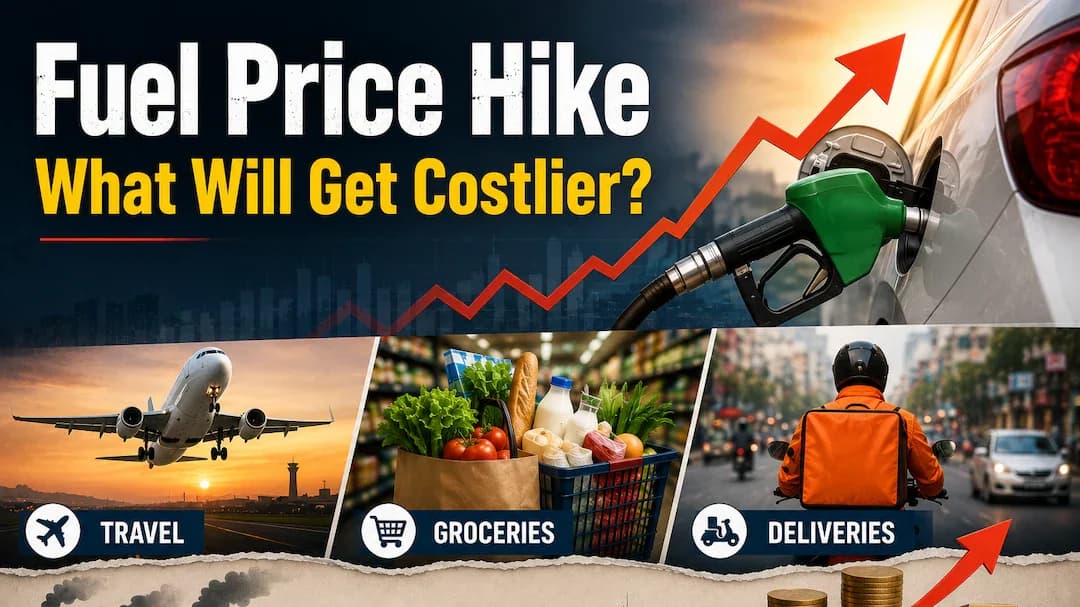
Beyond LPG, OMCs have implemented several other price adjustments. According to The Times of India, ATF rates for international airlines have been increased by 5% and will cost $1,511.86 per kilolitre. The Federation of Indian Airlines had written to the government earlier this week stating that the unprecedented increase in ATF costs had raised airlines' operating costs by up to 60%, creating completely unviable operating conditions. Additionally, bulk diesel rates for industrial consumers have been increased from ₹137 to ₹149 per litre. In a significant relief for the aviation sector, the government has maintained no change in aviation turbine fuel (ATF) prices for domestic airlines (scheduled operations), providing crucial support during the current energy crisis. As per The Hindu, state-run oil companies have kept domestic LPG and aviation turbine fuel prices for local airlines unchanged, absorbing higher input costs to protect household consumers.
The government has made significant adjustments to windfall gains taxes to support the energy sector. As reported by The Times of India, the government has cut the windfall gains tax on diesel exports to ₹23 per litre and on ATF exports to ₹33 per litre, from ₹55.5 per litre and ₹42 per litre respectively. In a simultaneous effort to curb misuse and streamline subsidy distribution, the government is identifying households that hold both LPG and piped natural gas (PNG) connections. This crackdown enforces a standing prohibition on dual ownership, ensuring that energy resources are targeted more effectively toward those in need. Last month, the government implemented a new policy prohibiting households with piped natural gas (PNG) from holding or applying for subsidized domestic LPG connections. According to The Hindu, Indian Oil Corporation stated that these measures reflect a calibrated approach to align with global market trends while ensuring economic stability for domestic consumers.
Prior to the escalation of hostilities between the US-Israel and Iran on February 28, India was heavily reliant on West Asia, sourcing over 50% of its crude, 30% of its gas, and nearly 90% of its LPG from nations like Saudi Arabia and the UAE. The subsequent blockade of the Strait of Hormuz- a vital energy artery- has severely disrupted these supplies. While India has mitigated the crude oil shortage by pivoting to Russian imports, industrial gas supplies have been slashed, and LPG availability for the commercial sector, including hotels and restaurants, has been significantly tightened. The surge is linked to global oil prices rising nearly 50% in recent weeks, primarily due to disruptions in the Strait of Hormuz amid the ongoing West Asia conflict. As per The Hindu, India relies on imports for 88% of its crude oil and about half of its natural gas, much of which passes through this region, making the disruption particularly impactful for the country's energy security.