Coffee has established itself as one of the hottest trades in the market recently, according to reports from CNBC TV18. The commodity has demonstrated exceptional performance that has outpaced artificial intelligence investments in the current market environment. This development represents a notable shift in investor preferences, with coffee emerging as a standout performer in the commodities sector amid growing concerns about AI market dynamics and recent volatility in global markets.
The commodity has attracted significant investor attention, with CNBC TV18 reporting that coffee has become one of the best trades in the market lately. This surge in interest comes at a time when artificial intelligence investments have traditionally dominated market conversations and trading activity. The shift toward coffee as a preferred investment vehicle suggests changing market dynamics and investor sentiment in the current economic climate, particularly as AI market concerns intensify and global markets experience significant volatility.
Market uncertainty surrounding AI investments has reached new heights, with the latest Bank of America global fund manager survey on July 14 showing 43% of respondents believed AI shares were in a bubble, while 48% said they were not. According to Investing.com, investor Steve Eisman has highlighted significant concentration risks in the AI market, stating that OpenAI and Anthropic represent about 70% of AI-related revenue at major tech companies including Microsoft, Amazon, Alphabet's Google and Oracle. These two AI startups account for 25% to 35% of cloud revenue at these companies, making their success crucial for these massive corporations.
The recent volatility in South Korea's tech-heavy Kospi index has highlighted the risks associated with AI-related investments, with the index experiencing one of the sharpest corrections in its history between June and August. As reported by BNY, the index more than doubled its value since the start of the year to rise above 9,000 points in mid-June, before plunging to 5,500 within a few weeks. The sell-off has been particularly severe for personal investors who used leverage, with an estimated 1.2 million South Korean personal investor accounts facing margin calls by the end of July, equivalent to about one in every 30 working-age adults in the country. Many investors who piled into technology stocks are now facing significant losses, with some losing $10,000 or more from their AI-related investments. However, recent data shows that margin loan balances have declined to 27 trillion won earlier this month, the lowest level of 2026, compared to 37 trillion won at the end of June, according to the Korean Financial Investment association.
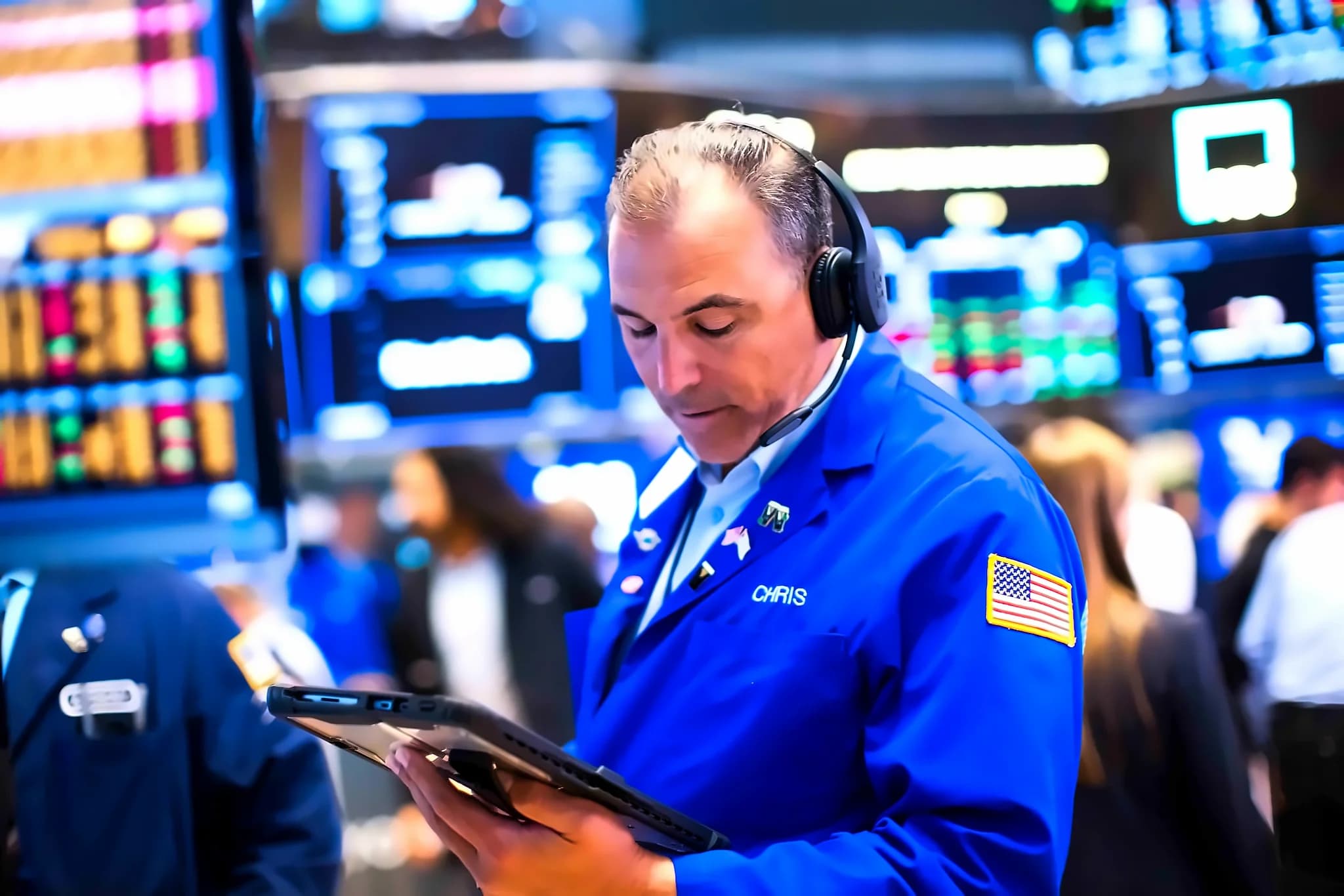
Despite the market meltdown, Korean retail investors have demonstrated resilience by continuing to employ the same speculative strategies they used during the market's peak. According to CNBC TV18, Korean retail investors remained net sellers even as the KOSPI has recovered significantly from July lows, while foreign investors who sold over $100 billion in Korean equities during the sell-off turned net buyers. Korean investors bought US equities worth $4.5 billion in July, with $840 million going into purchasing American Depository Receipts (ADRs) of chip giant SK Hynix, making it the second-most net-purchased US stock. As of Monday's closing, US-listed shares of SK Hynix traded at a premium of around 10% to their Korean counterparts, with analysts terming this behavior as "absolutely crazy." According to Korea Securities Depository, four out of the top 10 net purchased US stocks by Korean investors in July were leveraged products, with the most popular being the Direxion Daily Semiconductor Bull 3x Shares ETF (SOXL), which aims to deliver triple the daily returns of a semiconductor index.