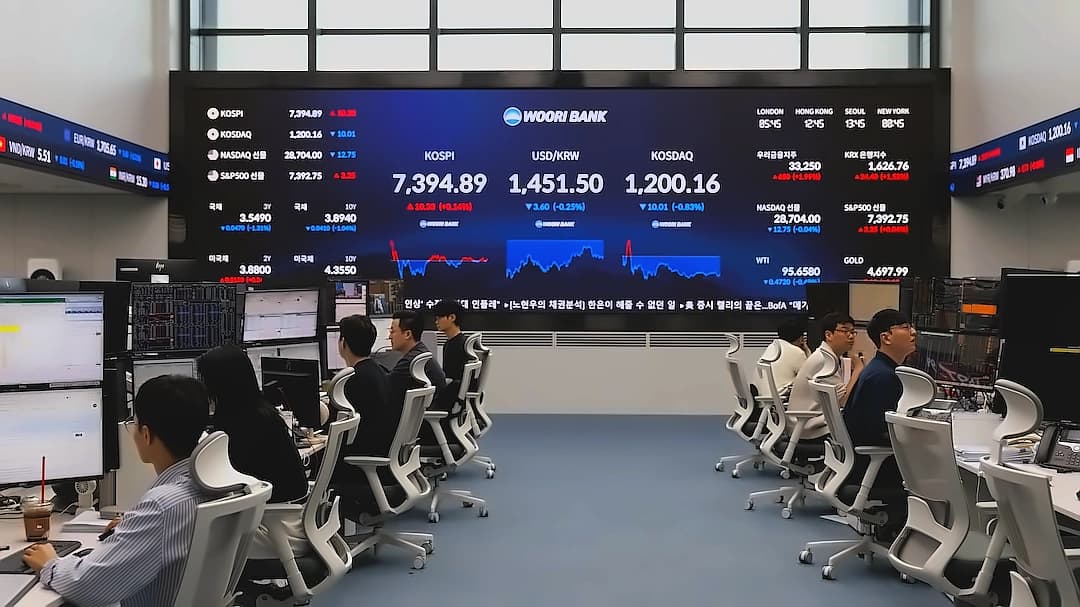
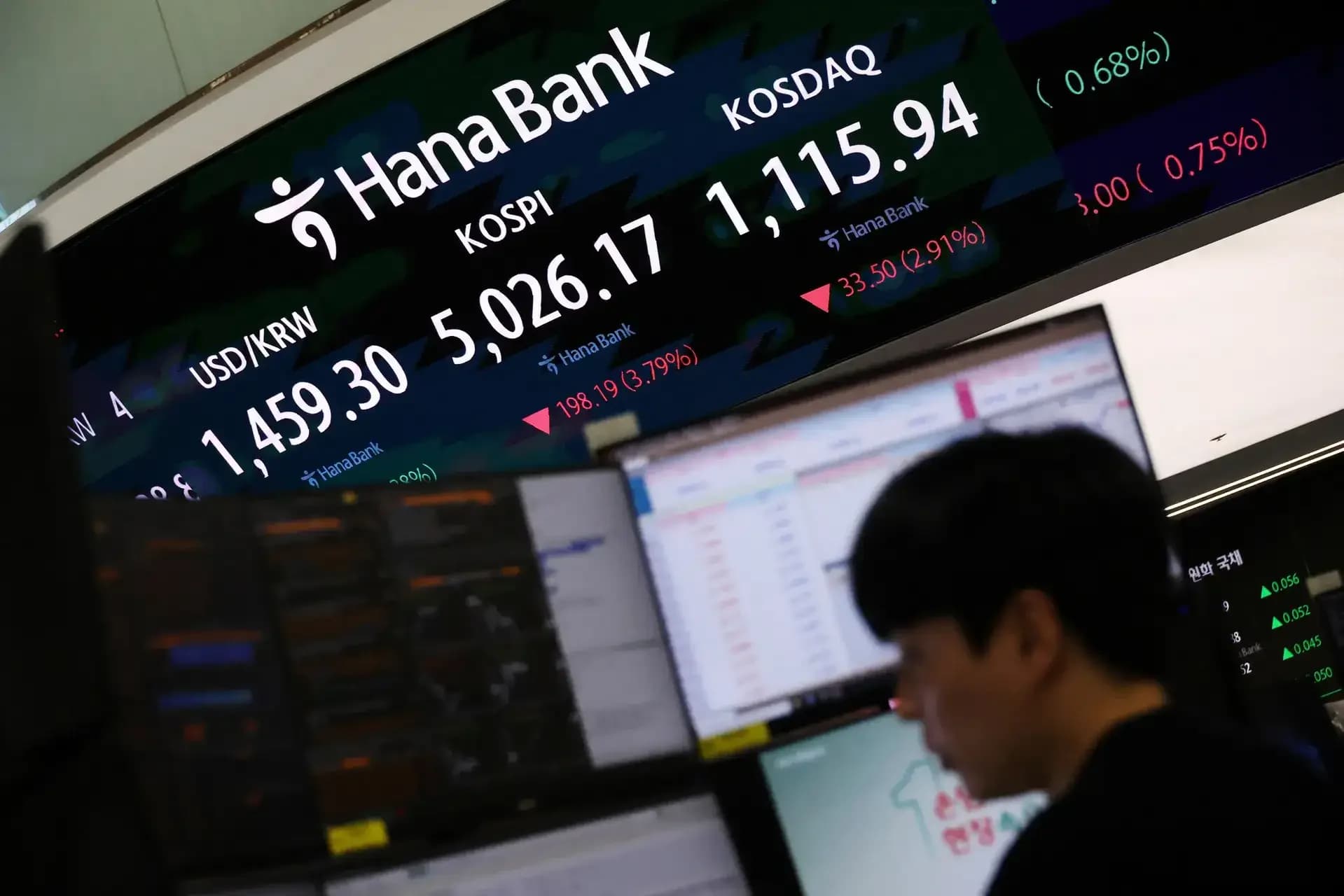
South Korea's stock market has experienced an unprecedented surge, with the Kospi index rising 200% over the past year, making it the world's most volatile major stock index. According to reports from NDTV, this performance has far outpaced every other market globally, transforming a previously dormant market into one of the world's most closely watched indicators. The $4.6 trillion market capitalization has been fueled largely by South Korean chipmakers' central role in the artificial intelligence boom, with heavyweight companies like Samsung Electronics Co. and SK Hynix Inc. leading the charge.
The market rally has triggered an unprecedented surge in retail participation and speculative activity. As reported by NDTV, margin balances hit a record 36.3 trillion won in May, up 32% from December, with many loans used to buy stocks classified under other categories, raising concerns about the sustainability of the rally. Trading volumes have soared to all-time highs, while daily price swings of 5% or more have become more common. The momentum has been stoked by Korea's legion of 14 million day traders, who have poured approximately 37.7 trillion won ($25.3 billion) into local shares this year, even as foreigners pare nearly double that amount on a net basis.
The speculative fever has extended to younger investors, with new account openings for under-18s showing a near 10-fold surge in the first quarter versus a year earlier, according to data compiled by Toss Securities. As reported by NDTV, the sense of FOMO spreading through offices and family gatherings has become so intense that investors are increasingly buying stocks for their children. Social media platforms are flooded with trading tips and investment returns from influencers and retail investors, creating a competitive environment where beating the market is no longer sufficient - the competition now extends to friends, colleagues, and anonymous internet trolls.
The rally has been punctuated by significant volatility, with the Kospi shedding about $300 billion of value in less than two hours on Tuesday as market jitters coincided with concerns about overheating. According to NDTV, stocks recouped more than half their losses by the close, with the government later clarifying that a senior official's post about potential citizen dividends was personal, not policy. Samsung has blazed past the $1 trillion valuation mark and is now Asia's second-most valuable company, while the broader economy has returned to growth mode. However, analysts warn that the momentum may be unsustainable, with many believing the market has more room to grow but cautioning about potential sharp corrections when the rally eventually ends.
The Korean market's surge is part of a broader global frenzy for artificial intelligence companies. As reported by NDTV, Korea had largely missed earlier AI rallies as its chipmakers were tied more closely to older segments of the industry, but AI-driven demand went into hyperdrive and tightened supply chains, changing the landscape for South Korean companies. Wall Street banks have lifted Kospi targets to 8,500, 9,000 and even 10,000 in a bull case scenario, with the Kospi closing 2.6% higher at 7,844.01 on Wednesday. The situation mirrors developments in Taiwan, where similar market dynamics are playing out among companies in the AI supply chain.