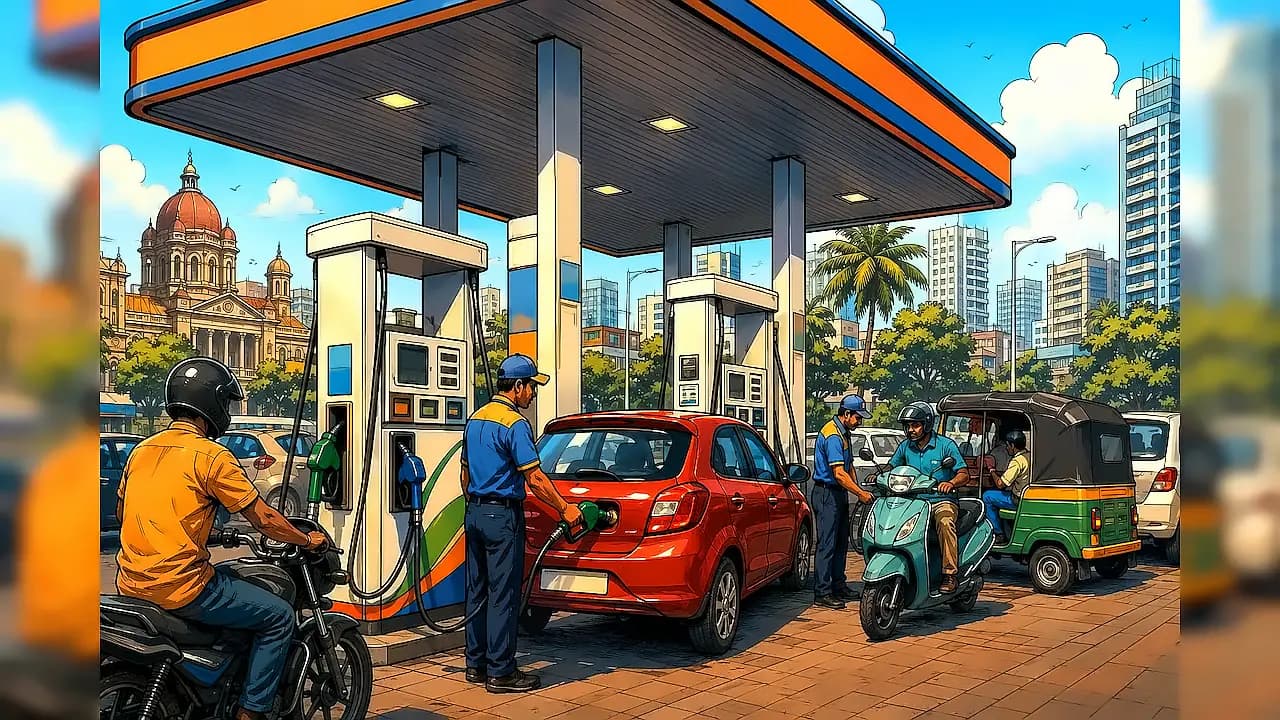
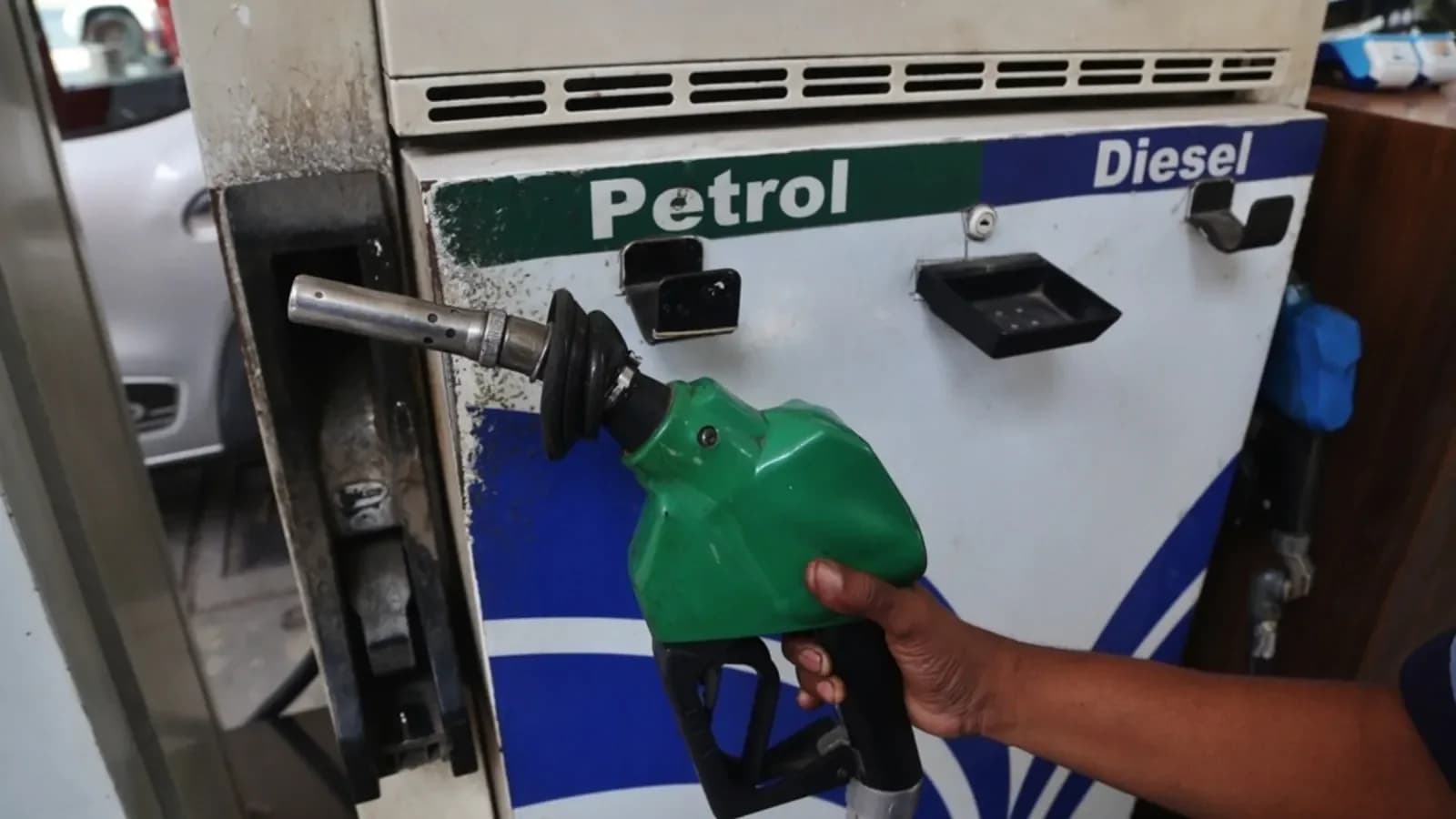
CNG prices in Delhi have been increased by ₹2 per kg, bringing the revised rate to ₹79.09 per kg from the previous ₹77.09 per kg. According to reports from IANS, this follows a similar price hike implemented by Mahanagar Gas Limited (MGL) in Mumbai on May 14, where CNG prices were raised by ₹2 per kg across the Mumbai Metropolitan Region (MMR). The current Mumbai CNG price stands at ₹84 per kg. The latest increase comes just hours after Oil Marketing Companies (OMCs) raised petrol and diesel prices by ₹3 per litre, with petrol in Delhi now costing ₹97.77 per litre (up from ₹94.77) and diesel ₹90.67 per litre (up from ₹87.67). The surge is attributed to global crude oil price hikes and disruptions in the Strait of Hormuz, impacting commuters and transport operators across the country.
The price increases come amid the worsening situation in West Asia and the continuing Hormuz blockade, with no immediate resolution in sight. As reported by PTI sources, this geopolitical tension has created supply chain concerns that are driving up fuel costs across the country. The conflict in West Asia has disrupted trade routes, including the strategically important Strait of Hormuz, with oil prices continuing to soar. According to The Economic Times, crude oil, which was trading in the $70-72 per barrel range before the conflict, surged above $120 per barrel during the peak of tensions linked to the US-Iran conflict and disruptions around the Strait of Hormuz. Although prices have eased slightly in recent weeks, Brent crude continues to remain elevated around the $104-110 per barrel range. Despite the global turmoil, the Centre has maintained that there is no shortage of fuel in the country and no plan to introduce rationing of petrol, diesel or LPG. The ongoing crisis has prompted several shipping companies to reroute vessels or delay cargo operations, while India has stepped up naval surveillance and energy security efforts to protect fuel supplies.
The fuel price revision comes as oil marketing companies face mounting financial pressures from elevated crude oil costs. According to The Economic Times, the combined under-recovery on petrol, diesel and LPG has reached nearly ₹30,000 crore every month. As per The Economic Times, Sujata Sharma, Joint Secretary in the Union Petroleum Ministry, stated that "Our OMCs are buying crude oil at higher rates but are not selling at corresponding rates to protect our consumers. This impacts their finances." She added that the Centre had already reduced excise duty on petrol and diesel earlier this year, sacrificing nearly ₹14,000 crore in monthly revenue, but under-recoveries continued to widen. Petroleum Minister Hardeep Singh Puri warned that state-run fuel retailers could see their entire FY26 profits wiped out if crude oil prices remain elevated, with the three public sector fuel retailers collectively losing nearly ₹1,000 crore every day. The Centre's recent decision to increase petrol prices by ₹3.14 per litre and diesel by ₹3.11 per litre further compounds these financial pressures.
The CNG price hike is part of a comprehensive fuel cost adjustment across the country. According to IANS, petrol and diesel prices were hiked by approximately ₹3 per litre across four metro cities. In Delhi, petrol now costs ₹97.77 per litre (up from ₹94.77) and diesel ₹90.67 per litre (up from ₹87.67), while in Mumbai, petrol is priced at ₹106.68 (up from ₹103.54) and diesel at ₹93.14 per litre (up from ₹90.53). Similarly, petrol prices have risen to ₹108.74 in Kolkata (up from ₹105.45) and ₹103.67 in Chennai (up from ₹100.84), with diesel costs reaching ₹95.13 in Kolkata (up from ₹92.02) and ₹95.25 in Chennai (up from ₹92.39). As per The Economic Times, industry estimates suggest Indian Oil Corporation (IOC), Bharat Petroleum Corporation Ltd (BPCL) and Hindustan Petroleum Corporation Ltd (HPCL) could report combined losses of nearly ₹1.2 lakh crore in the first quarter of FY27 alone. The CNG price hike has impacted several cities across North India, with Greater Noida reporting rates around ₹84 per kg and adjoining MMR regions maintaining ₹84 per kg.
The fuel price increases are expected to have a significant impact on transportation costs and public transportation systems. According to The Economic Times, fuel stations in parts of Rajasthan and Gujarat reportedly witnessed long queues late Thursday night and early Friday morning, with some outlets displaying "No Fuel" and "Out of Stock" signs after stocks ran low. The CNG hike directly affects public transportation systems, including buses, taxis and autorickshaws, many of which operate primarily on CNG. Following the CNG price hike, autorickshaw unions in Mumbai have demanded an increase in fares, seeking a ₹1 increase in the minimum fare, which currently stands at ₹26. Transport operators argue that repeated increases in fuel costs are making operations financially difficult, particularly for drivers dependent on daily passenger income. The price increases are expected to have a wider ripple effect on the economy, with economists warning of higher transport, logistics and commodity costs in the weeks ahead. As per The Economic Times, India's retail inflation, measured through the Consumer Price Index (CPI), rose to 3.48 per cent in April 2026 from 3.40 per cent in March, while wholesale price inflation climbed to 8.3 per cent, a 42-month high, largely driven by rising fuel and energy costs. Despite rising fuel prices and global uncertainty, Union Petroleum and Natural Gas Minister Hardeep Singh Puri recently stated that India has managed to maintain uninterrupted fuel supplies despite rising crude oil prices and global disruptions, with domestic LPG production being increased significantly to meet growing demand.