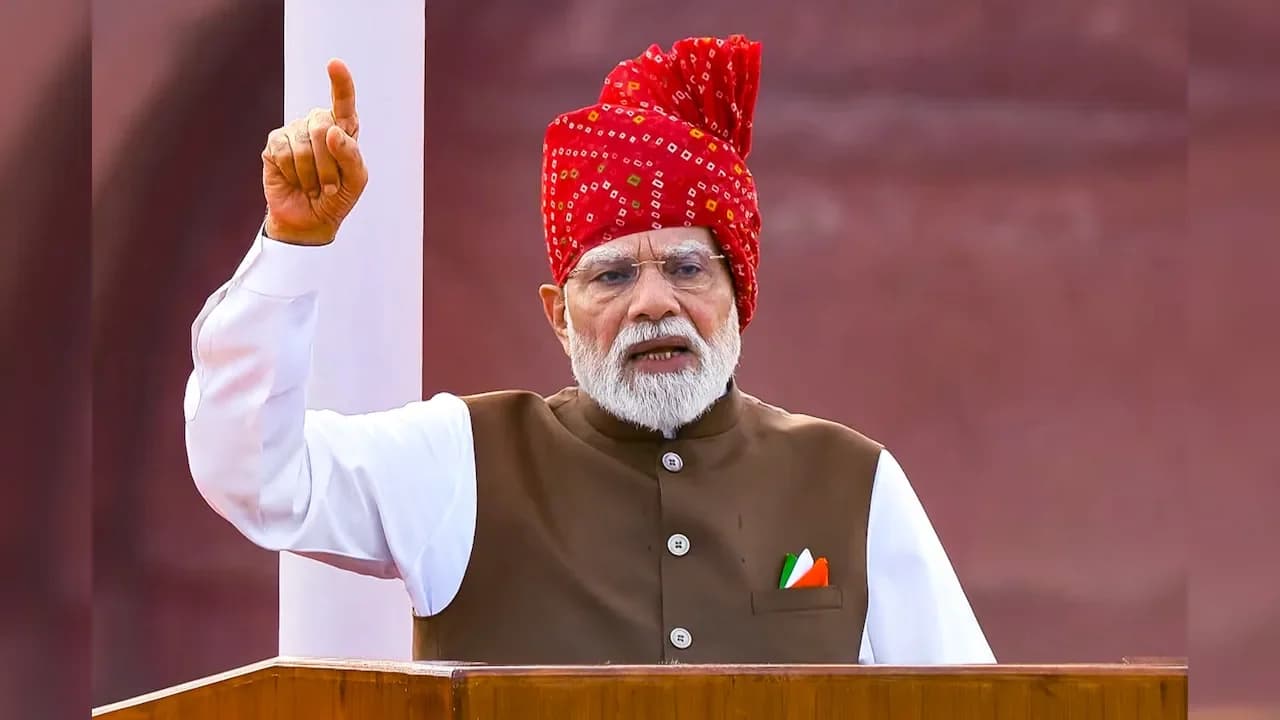
Prime Minister Narendra Modi's Independence Day address established 'Sapt Dhara' - seven streams of strength as the framework to accelerate India towards 'Viksit Bharat' by 2047. According to Mint, agriculture and food processing has been positioned as the second stream of Sapt Dhara, alongside manufacturing, technology, infrastructure, defence, green and blue economy, and soft power. The agriculture pillar represents a strategic shift from commodity production to higher-value food products and brands that can compete in global markets. As reported by Mint, agriculture and allied activities contribute approximately 16% of GDP and account for 46.1% of the country's workforce as of fiscal year 2026, making it central to India's broader growth ambitions beyond food security and farm incomes.
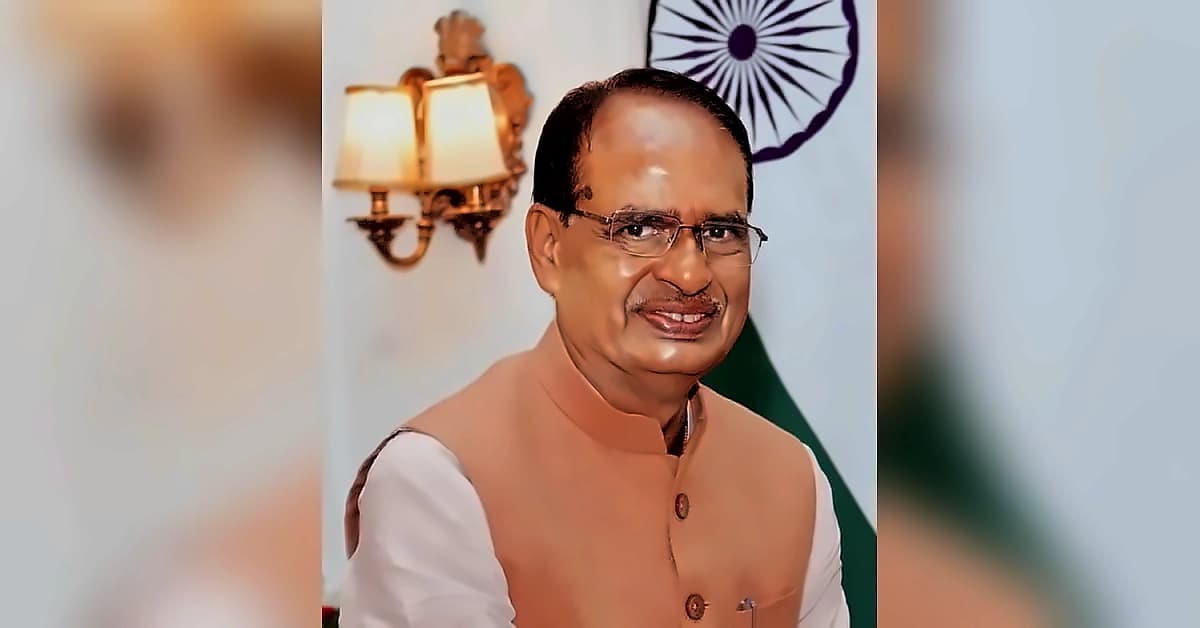
Chouhan called for separate agricultural roadmaps for every state and district based on local climate, soil, water resources and cropping patterns. As reported by Business Standard, he emphasized that India must move beyond merely increasing production to building a strong identity 'from farm to global market.' The minister stressed that greater use of technology, mechanisation, artificial intelligence, improved seeds and modern practices will help boost productivity while reducing cultivation costs. He reiterated that increasing production, lowering input costs, improving quality and ensuring remunerative prices remain the government's key priorities, while also promoting natural farming, organic farming, irrigation, crop diversification and integrated farming systems. During the programme, Secretaries of the Departments of Agriculture, Rural Development, Agricultural Research and Education, and Land Resources presented departmental roadmaps aligned with the Prime Minister's vision. At the 97th Annual General Meeting of the Indian Council of Agricultural Research (ICAR), Chouhan called for a demand-driven agricultural research ecosystem that places farmers, markets and consumers at the centre, stressing that research should translate into faster and measurable benefits on the ground.
India's agricultural exports demonstrate significant growth potential, with exports rising from $32.08 billion in FY15 to a record $52.55 billion in FY26, while the country's share of global exports increased to 2.5% from 1.8% over the same period. According to Mint, agricultural production is valued at around ₹52 trillion, while agricultural exports were around ₹4.6 trillion in FY26, suggesting substantial scope for value addition. The processing gap presents another opportunity, with only 17% of perishables processed in India compared to 23% in China and 65% in the US. Modi emphasized moving traditional Indian foods, millets, spices, fruits and flowers into global brands that meet international quality parameters, requiring investment in food processing, packaging, quality certification and supply-chain infrastructure. As noted by Mint, farmers can enter into longer-term contracts to sell their produce, giving them assured markets and prices higher than mandi rates, while reducing post-harvest losses and food wastage.
On the Lakhpati Didi initiative, Chouhan announced that the target of making three crore rural women Lakhpati Didis has been achieved, with the government now committed to creating six crore Lakhpati Didis by expanding skill development, entrepreneurship, financial assistance and market access. According to Business Standard, Chouhan stated that making rural women self-reliant is an important prerequisite for building a developed India. A Lakhpati Didi shared that their village had 7-8 Self-Help Groups (SHGs) earlier, but now has about 43 SHGs and earns ₹25,000-30,000 rupees a month. The minister emphasized that initiatives such as She-Marts and branding support would help rural women market handicrafts, food products, Ayurvedic products and other traditional goods across India and overseas, strengthening rural livelihoods and women-led economic growth. The National Gender Platform for Agri-Food Systems now connects more than 9,000 establishments, supporting greater participation of women in agriculture and agri-food systems.
During the ICAR AGM, ICAR Secretary and Director General Dr M.L. Jat outlined the Council's achievements, highlighting significant advances in genomics, genome editing, livestock health, fisheries, soil health and natural farming. Among major scientific achievements was the development of an indigenous African Swine Fever vaccine, described as an important breakthrough for pig health and farmers' livelihoods. ICAR has stepped up efforts to convert research outcomes into field applications and market opportunities, with around 805 intellectual property applications filed during the past year and technology commercialisation strengthened across 36 ICAR institutions. Union Minister of State for Agriculture Bhagirath Choudhary emphasized the need to strengthen self-sufficiency in pulses, oilseeds, seeds, livestock and value-added processing, while promoting climate-resilient agriculture, soil health and sustainable resource management. The AGM concluded with a reaffirmation of ICAR's commitment to research, innovation and technology-led agricultural development, with a focus on farmers' welfare, food and nutritional security and the creation of a resilient, sustainable and self-reliant agricultural sector.