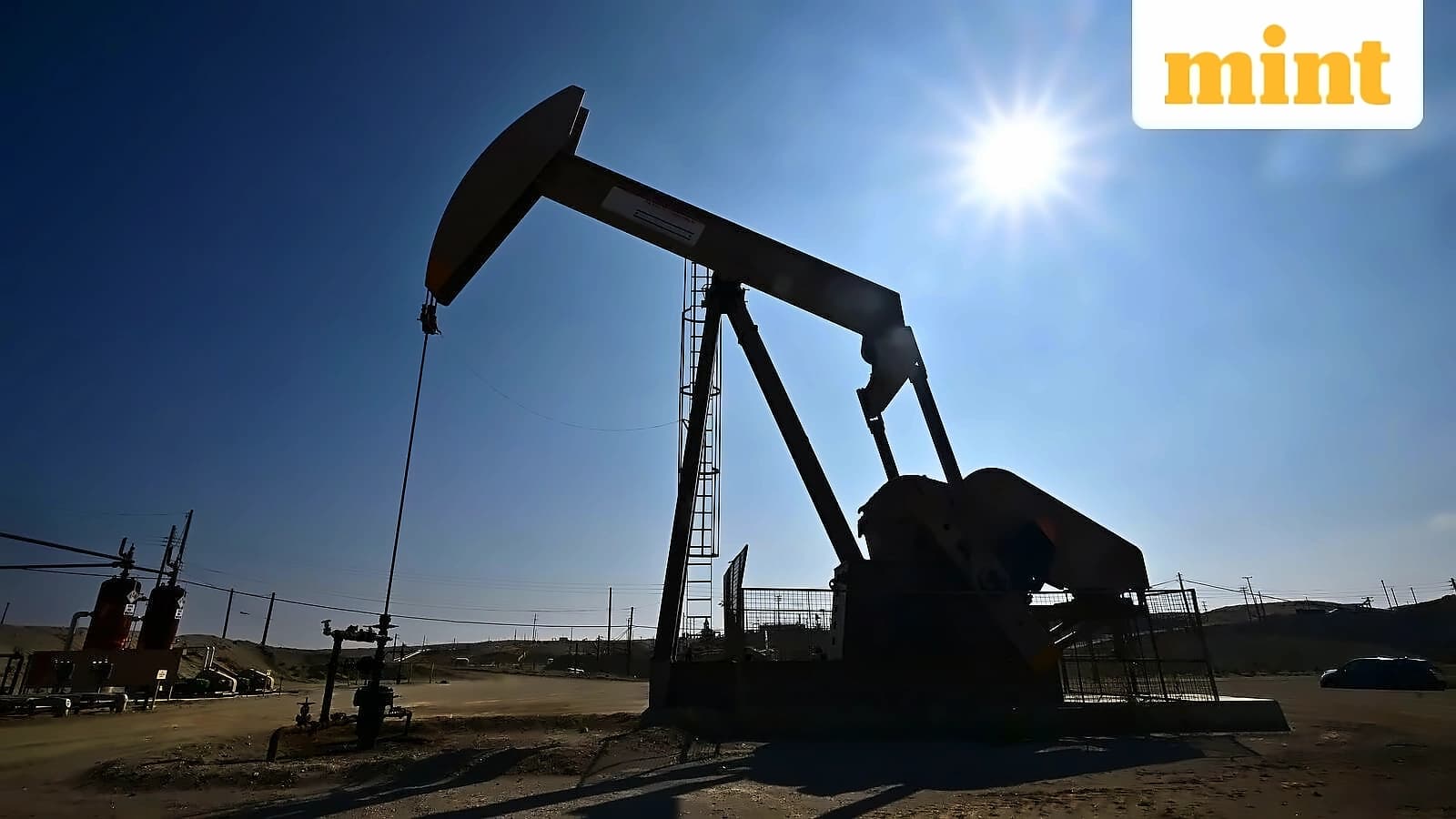
China's refiners are maintaining crude purchases below the elevated levels seen before the Iran war, even as analysts estimate imports are gradually recovering toward 10 million barrels per day. According to reports from Bloomberg, the world's top oil importer is showing restraint despite resilient oil prices above $90 per barrel, which analysts say is cooling demand. The country's buying patterns have become a key focus for analysts trying to understand oil market movements over recent months.
Purchases are expected to rise by up to 1.2 million barrels per day from the third quarter through the end of 2026, according to estimates from Rystad Energy, Energy Aspects, and FGE NexantECA. However, even the most optimistic projections still put fourth-quarter purchases at 9.9 million barrels per day, significantly below the 12-13 million barrels China achieved last year when building inventory and supporting global prices. The primary constraint remains crude prices, which averaged below $70 last year compared to current levels above $90.

Chinese refineries face difficulties securing the appropriate crude grades, as many are designed to process medium sour grades from the Middle East, where supplies remain costly and scarce. As reported by Bloomberg, buyers have rushed for Iraqi and Saudi barrels but received no cargoes in the latest tender awarded by Abu Dhabi National Oil Co. Increased purchases from Brazil and Angola may not be sufficient to fully replace lost Middle Eastern flows, according to Energy Aspects analyst Jianan Sun. The prolonged war and Middle East flow disruptions are preventing larger demand drivers like stockpiling from taking place.
China maintains a substantial buffer with crude inventories falling 8% from their May peak but remaining at approximately 1.16 billion barrels across commercial and strategic reserves, according to data intelligence firm Kpler. Even commercial stockpiles can provide refiners with operational flexibility. The pace of imports will depend on the Strait of Hormuz and the return of Middle East cargoes, with flows still a fraction of prewar levels. China's state-owned refiners will report interim financial earnings starting Sunday, with Sinopec scheduled to report on August 23, providing insights into how elevated crude prices have impacted fuel sales and upstream revenue.