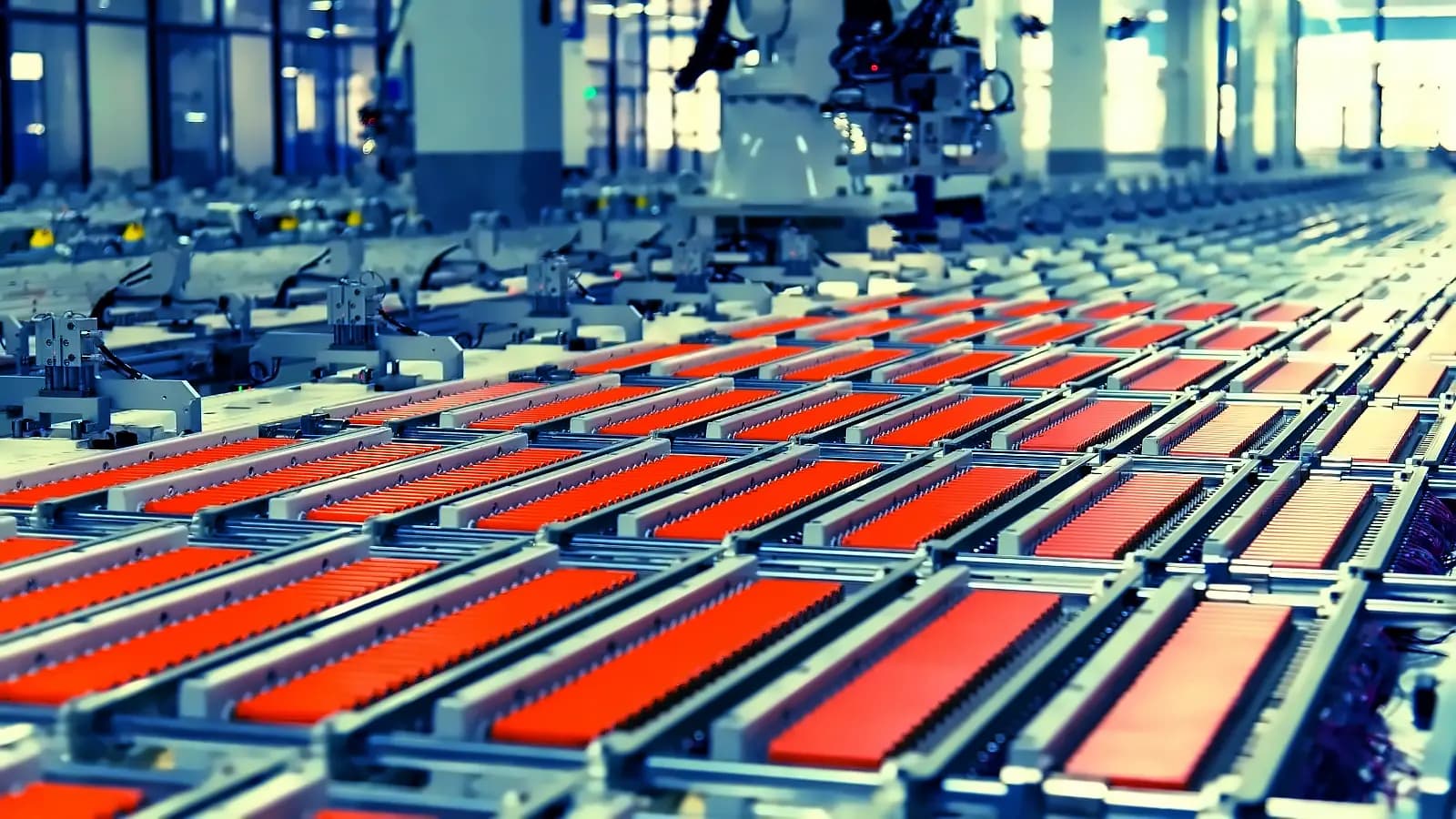
China has officially launched a 80,000-tonne spent lithium battery recycling project in Sichuan Province, marking a significant milestone in the country's comprehensive lithium waste recovery efforts. According to the latest reports from Mysteel, the project is located in the Yibin Circular Economy Industrial Park within the Gao County Economic Development Zone and involves a total investment of ₹300 million. The facility is designed to build 10 specialized production lines in total, including two core production lines, a lithium battery crushing and sorting line, and a lithium iron phosphate electrode sheet processing line, along with supporting facilities for battery dismantling and black mass mixing and packaging.
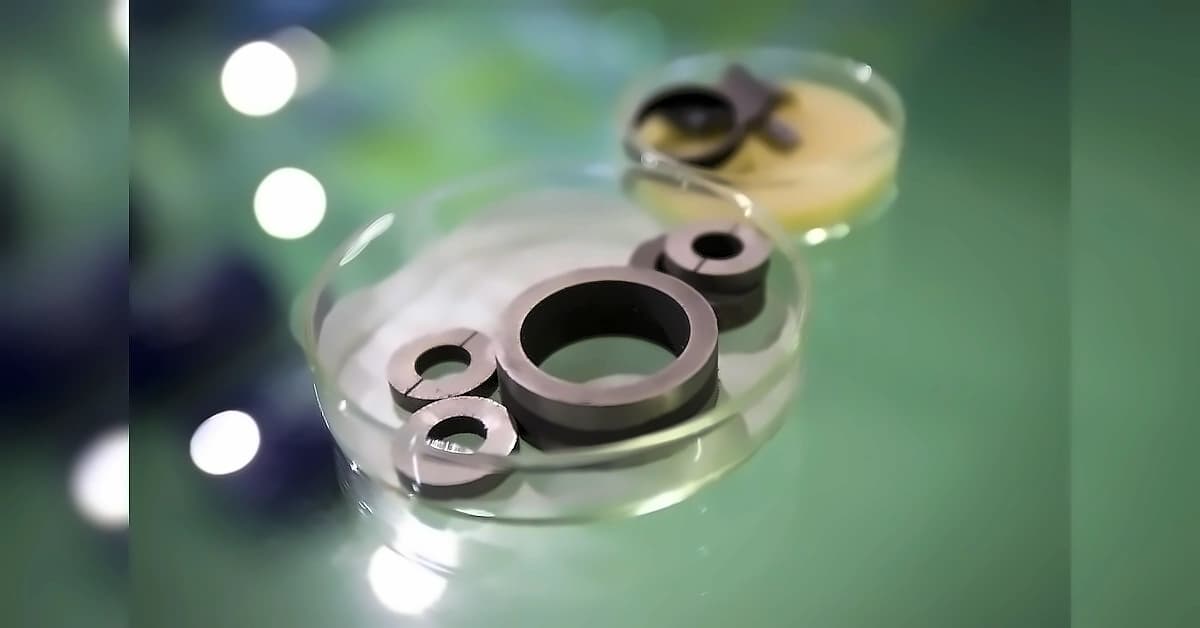
China has successfully launched a production line to extract rubidium and caesium from lithium waste, marking what Chinese researchers describe as the world's first industrial-scale extraction and separation line for low-grade sources of these critical metals. According to reports from South China Morning Post and Sri Lanka Guardian, a demonstration line in Jiangxi province has achieved stable production with an annual capacity of 500 tonnes of rubidium and caesium carbonates. The facility is described as the world's first continuous tower extraction and separation line, with the Institute of Process Engineering under the Chinese Academy of Sciences confirming that the facility started successfully on its first attempt and has operated continuously and steadily since then.
The breakthrough technology utilizes a high-efficiency tower extraction system developed by the Institute of Process Engineering under the Chinese Academy of Sciences. As reported by South China Morning Post and Sri Lanka Guardian, the system can recover more than 98% of caesium and more than 95% of rubidium from the processed material, with resulting caesium carbonate and rubidium carbonate products achieving purity levels of more than 99.9%. The research team designed an industrial unit comprising 17 extraction towers in partnership with Jiangxi Ganfeng Lithium and other companies, using differential counter-current extraction technology that reduces extractant consumption by 40% and cuts equipment footprint by more than 50%. A single extraction tower can be up to 15 times as efficient as a traditional extraction tank.
Rubidium and caesium are critical to aerospace, quantum computing, biomedicine, new energy and other frontier industries, but neither metal occurs in large quantities as an independent mineral in the Earth's crust. According to South China Morning Post and Sri Lanka Guardian, these metals are typically found as associated elements in lithium ores and salt-lake brines, where their concentrations are low and extraction is technically difficult. By recovering the metals from waste left behind after lithium extraction, China is extending its new-energy industry supply chain while strengthening the domestic supply of rubidium, a strategic rare and precious metal. China possesses substantial rubidium resources, with a 2024 paper estimating domestic reserves at about 1.16 million tonnes of rubidium oxide and 140,000 tonnes of caesium oxide, though much of the country's known rubidium is associated with specialty lithium ores and salt-lake brines where low grades and complex chemical forms have historically made recovery difficult.
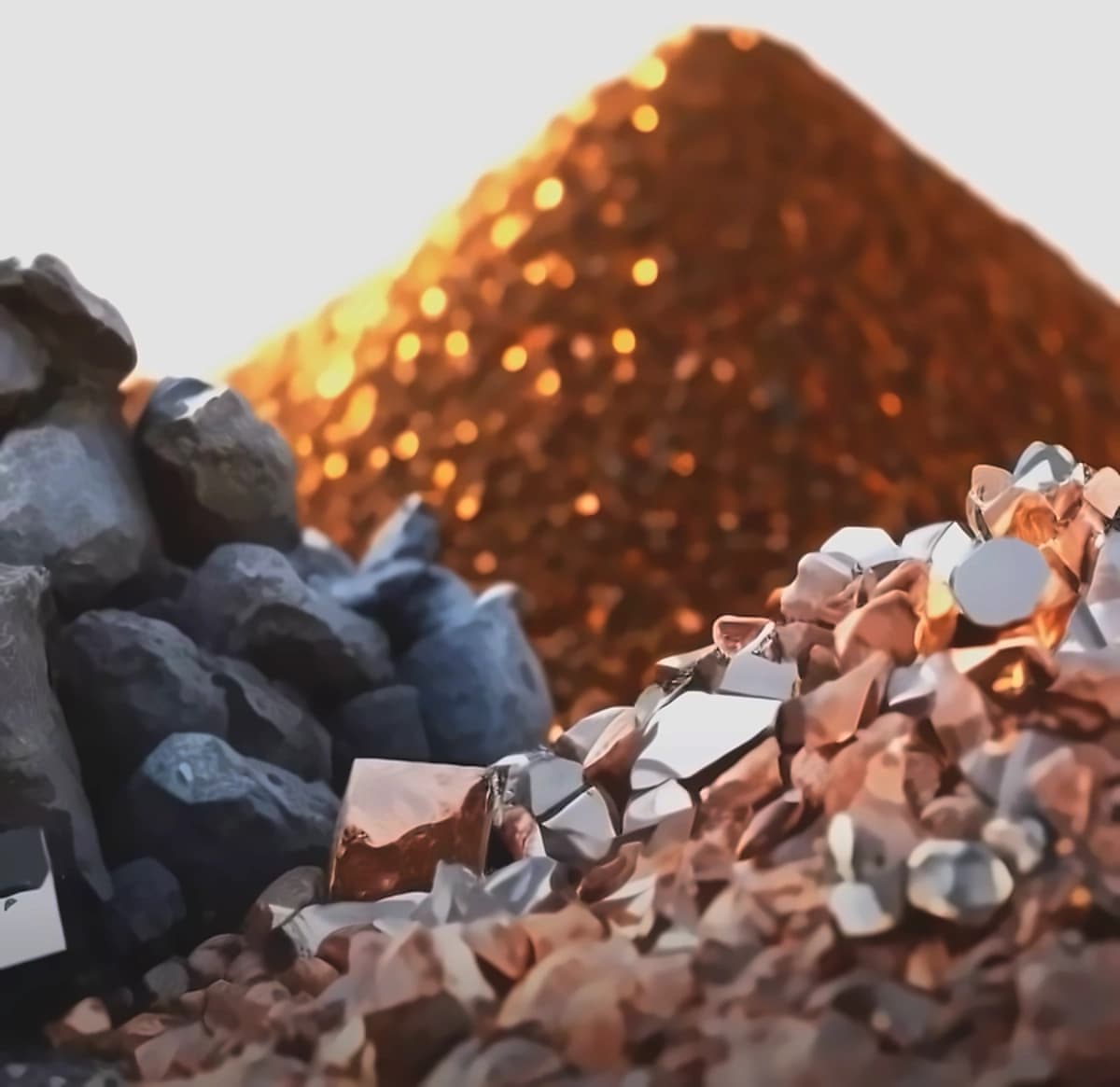
The demonstration line provides a technical model for larger-scale commercialization of the extraction process, potentially allowing China to recover valuable metals that were previously lost in lithium-processing waste. According to South China Morning Post and Sri Lanka Guardian, the approach could expand demand for rubidium salts and compounds as breakthroughs in areas such as perovskite solar cells, solid-state batteries and quantum computing emerge. The latest recycling project in Sichuan represents another significant step in China's comprehensive lithium waste recovery strategy, with the facility expected to achieve an annual output value of ₹1.2 billion once at full production. As reported by Mysteel, the company plans to add hydrometallurgical refining capabilities to carry out deep extraction of high-value chemicals such as nickel sulfate, lithium carbonate, and cobalt sulfate from black mass, further expanding China's rare earth and battery materials supply chain. This development comes as the International Energy Agency projects global demand for critical minerals will grow by more than 6 percent annually through 2030.