Crude oil prices have fallen toward $84 to $85 as markets race to price out the war premium that has defined trading all year. West Texas Intermediate fell roughly 2% to 3% to around $84 to $85 - one snapshot had it down about $3.50 at $84.21 - marking its weakest reading since mid-April. The international Brent benchmark tumbled as much as 5% intraday toward the high-$80s, its softest level since March. The trigger was unambiguous: the prospect of a peace agreement that would reopen the Strait of Hormuz, the chokepoint whose de facto closure has kept the oil market on edge for more than three months. The move is the mirror image of the rally that came before it, as both benchmarks had surged more than 45% at their peaks since military action began on February 28, with Brent averaging $107 a barrel in May and WTI trading above $100.
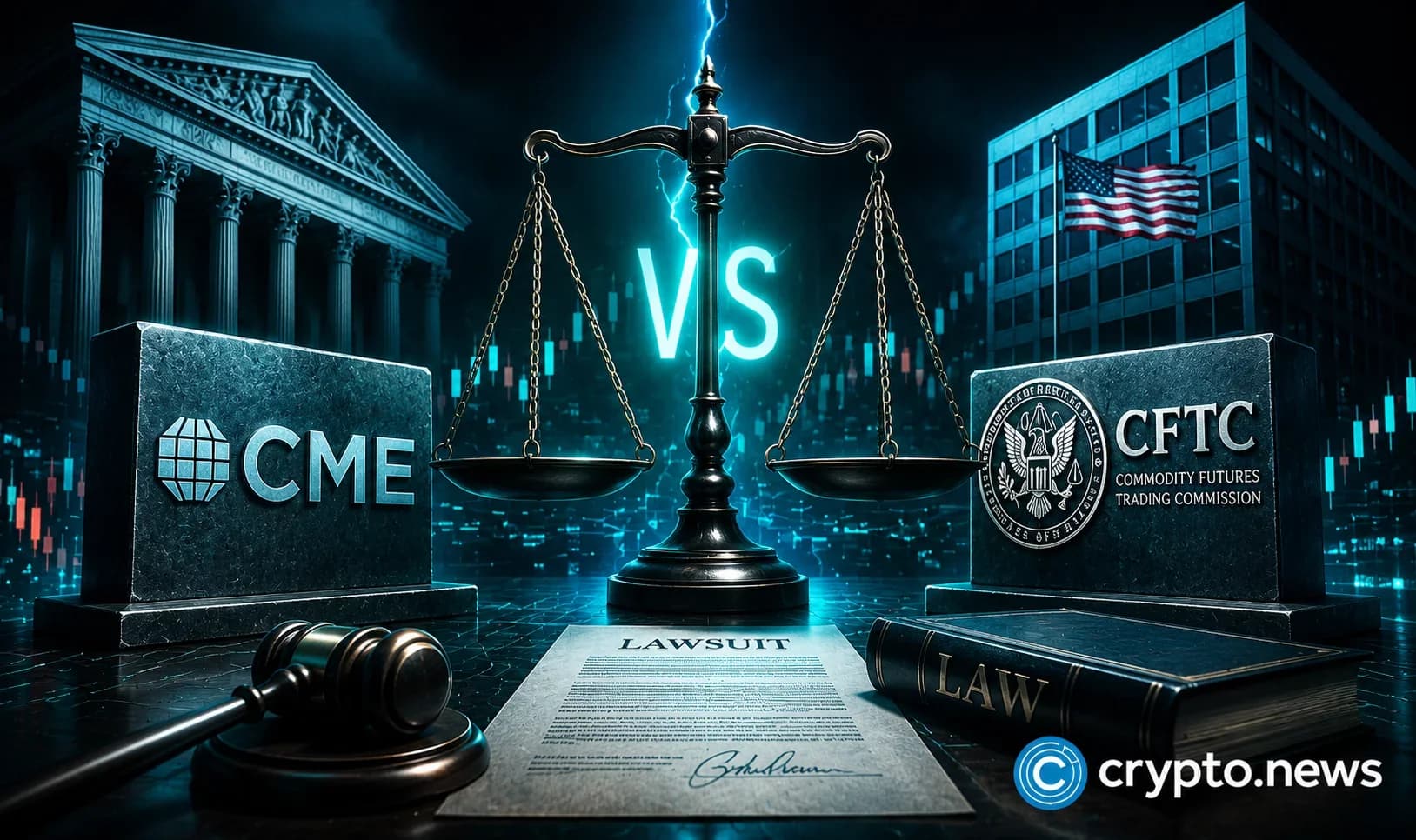
The U.S. Commodity Futures Trading Commission (CFTC) is reportedly considering blocking the Chicago Mercantile Exchange (CME)'s plans for 24/7 oil futures trading. According to a Bloomberg report, the agency expressed concerns that round-the-clock trading could worsen oil price volatility during periods of geopolitical stress. The CFTC stated that crude oil may not be suitable for continuous trading due to the potential for extreme volatility, with those concerns potentially justifying withholding approval for the contract. A senior agency official confirmed that the news caught the US derivatives regulator by surprise, as reported by Bloomberg. The regulatory concerns have intensified as markets erased the war on a Trump tweet, the ECB raised rates to fight Iran-driven inflation, and SpaceX retail traders stampeded a debut at any price they could find - creating a particularly poor week for approving instruments designed to let such decisions be priced at three in the morning on a Sunday.
The CME announced its 10-Barrel WTI Crude Oil contract on June 11, with plans to launch by August 30, subject to regulatory approval. As reported by Bloomberg, the contract would be a smaller version of its existing WTI Micro futures contract, one-tenth the size of the existing Micro WTI futures contract. The derivatives giant has also planned a gold futures contract as part of its expansion strategy, with the exchange wanting to start round-the-clock trading in 1-ounce gold futures on July 26. Both products require regulatory review and approval. According to Derek Sammann, CME Group's Senior Managing Director and Global Head of Commodities Markets, the move aims to provide traders with regulated products that allow appropriate hedging against geopolitical uncertainty. CME's chief executive Terry Duffy has spent the spring publicly worrying that CFTC approval of perpetual cryptocurrency futures elsewhere created an unlevel playing field - the oil and gold proposals are how Chicago answers back to this competitive pressure.
The real story behind CME's 24/7 oil trading push isn't about CFTC approval, but rather competition with Hyperliquid, a crypto-native and cross-asset trading platform that has emerged as the dominant force in continuous oil trading. According to Bloomberg, Hyperliquid became the de facto platform for price discovery for oil and gold in early 2026, particularly during weekends when traditional platforms remained closed. In March 2026 alone, cumulative volume on Hyperliquid's oil perpetual contracts surged to $7.3 billion, with open interest spiking to $1.43 billion during Middle East tensions. The Wall Street Journal ran a piece calling oil "the hottest new trade" on the platform, while a CoinDesk report showed a single 24-hour period with $1.62 billion in activity on its CL-USDC contract. The International Trading Institute analysis concluded that Hyperliquid's weekend prices can actually lead Monday morning CME opens, meaning the unregulated venue sets the price that regulated markets then react to. CME's new 10-barrel WTI future is one-tenth the size of its existing Micro WTI product, which is itself a tenth of the standard 1,000-barrel contract, with the intent openly retail to capture the next generation of crude speculators.

Adding complexity to the regulatory landscape, before markets opened on March 23, 2026, a flurry of oil futures trades worth approximately $800 million was placed moments before President Trump made a surprise announcement about Iran. The Wall Street Journal reported that the CFTC and Department of Justice are now investigating those trades for potential insider trading and market manipulation. Sen. Raphael Warnock has publicly pressed the CFTC for updates on the probe, arguing the trades reveal vulnerabilities in how pre-market and extended-hours trading is supervised. The suspicious trades happened on regulated venues, not Hyperliquid, but the timing creates an awkward dynamic for the regulatory argument against 24/7 trading. The big moves of the last two months in oil have, almost without exception, happened on weekends or before Asian opening - Iranian missile salvos on Sundays, Trump statements on Friday evenings, surprise strikes near Hormuz announced when the standard CME session was closed.
The fragmentation of oil price discovery across regulated and unregulated venues creates significant risks for oil and gas investors, particularly for commodity-exposed E&Ps. Companies with 85% or more fee-based revenue remain insulated from this fragmentation, as their cash flows are contractually set regardless of weekend price gaps. However, for commodity-exposed E&Ps, the hedge that looked solid on Friday can gap open against the hedger on Monday if Hyperliquid's weekend price action begins trends that CME Monday opens follow. The world's energy bills will notice either way - WTI is not just an American instrument; it is one of the two global benchmarks against which Asian refiners, African importers and European utilities settle physical contracts. A volatility spike imported from a Sunday-night retail panic in Chicago raises costs from Karachi to Cape Town the following Monday. The CFTC's own 2025 public comment process acknowledged that expanded hours can increase credit and liquidity risks during low-liquidity periods. Both CME and ICE jointly urged regulators in May 2026 to scrutinize Hyperliquid, arguing the platform's anonymous, unregulated environment poses systemic financial risks and could distort global oil prices.