The U.S. Commodity Futures Trading Commission is blocking CME Group's planned launch of 24/7 crude oil futures trading over volatility concerns, while allowing gold futures to proceed. According to the latest reports, the CFTC issued a formal request for comment on extending futures trading to 24/7 schedules on June 22, signaling the regulator isn't outright opposed to the concept but wants adequate infrastructure and liquidity provisions before approving such significant market changes. The decision came after CME announced its ambitious plan on June 11 to launch two new contracts: a 10-barrel WTI crude oil future and a smaller gold future, both slated for an August 30 launch pending regulatory approval. The oil contract would be one-tenth the size of CME's existing Micro WTI futures, designed for retail traders and smaller institutions seeking crude oil exposure without standard capital requirements.
The core regulatory concern centers on volatility during periods of thin liquidity when most traders are asleep. As reported by multiple sources, oil markets are notoriously reactive to geopolitical events, supply disruptions, and even errant tweets, with dynamics becoming more dangerous when there aren't enough market makers around to absorb sudden moves. The CFTC has reason to be cautious, citing the April 2020 incident when WTI futures briefly traded at negative $37 per barrel during regular hours with full market participation. The prospect of similar events occurring at 3 a.m. on a Saturday, with a fraction of the usual liquidity, represents the kind of scenario that keeps regulators up at night. Currently, CME Globex crude oil trading runs from Sunday through Friday, 5:00 p.m. to 4:00 p.m. CT, with a 60-minute daily break, creating a nearly continuous market on weekdays but leaving weekends as a dead zone.
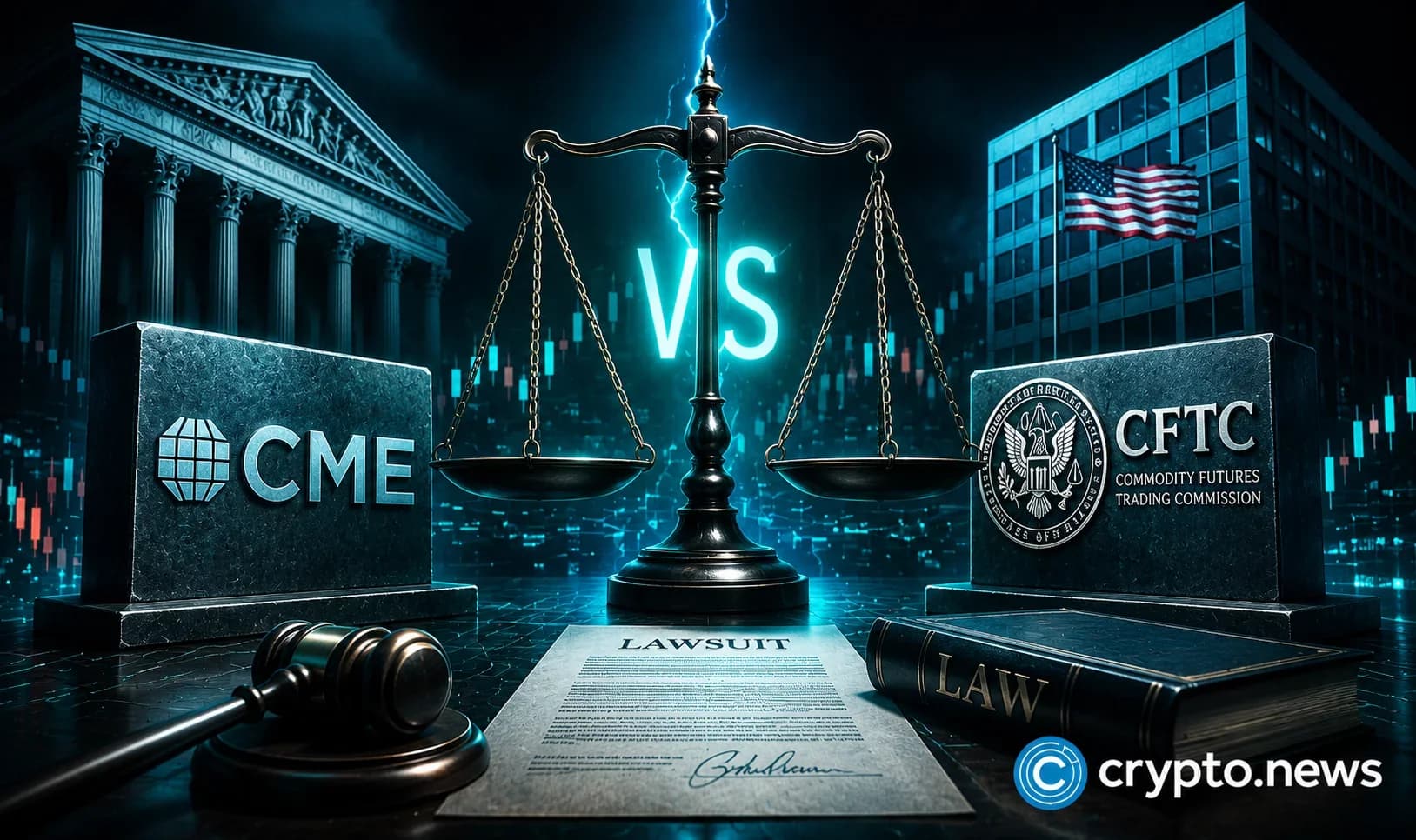
CME is not relying solely on the fast-track route, having also submitted a standard application for the same product that requires a full 45-day review and is currently under consideration by the CFTC. According to market sources, the exchange stated that for a "smaller-scale" around-the-clock version of an existing product, industry practice typically involves the self-certification process, but at the CFTC's request, the exchange also cooperated by submitting the more time-consuming standard application. The backdrop to this regulatory tug-of-war is unprecedented retail enthusiasm for the crude oil market and violent price swings triggered by geopolitical conflicts, with the escalating tensions between the U.S. and Iran significantly amplifying demand for around-the-clock trading tools. The CFTC's request for comment process will be the next critical milestone, with public comment periods typically running 30 to 60 days, meaning a final determination could come as early as late summer.
Despite the setback on crude oil futures, CME continues preparing another major product launch with Treasury Link planned for Q4 2026. According to CME, Treasury Link will connect U.S. Treasury futures with the cash Treasury market, allowing traders to execute Treasury futures and cash Treasury spreads through a single transaction. The company has positioned the platform as a tool designed to simplify execution across both markets. Separately, Kalshi has expanded its ambitions beyond crypto derivatives, announcing plans to introduce additional derivatives products, although those offerings remain subject to regulatory approval.
The regulatory decision leaves CME's 24/7 crude oil futures proposal on hold while the CFTC continues reviewing the legal and operational implications of continuous derivatives trading. As reported by crypto.news, Jake Chervinsky, chief executive of the Hyperliquid Policy Center, criticized CME's lawsuit against the CFTC, describing it as a shocking miscalculation and unforced error, arguing that the exchange had exposed resistance to increasing competition in derivatives markets. Chervinsky claimed CME controls roughly 92% of exchange-traded derivatives volume in the United States according to his assessment. The CFTC's answer, at least for now, is that oil isn't Bitcoin - crude futures are tied to physical delivery schedules, strategic reserves, OPEC decisions, and geopolitical risk that can move prices 10% on a single headline. The CFTC isn't saying 24/7 trading is inherently bad, it's saying that the specific risk profile of certain assets demands additional scrutiny before removing the time-based circuit breakers that traditional market hours effectively provide.