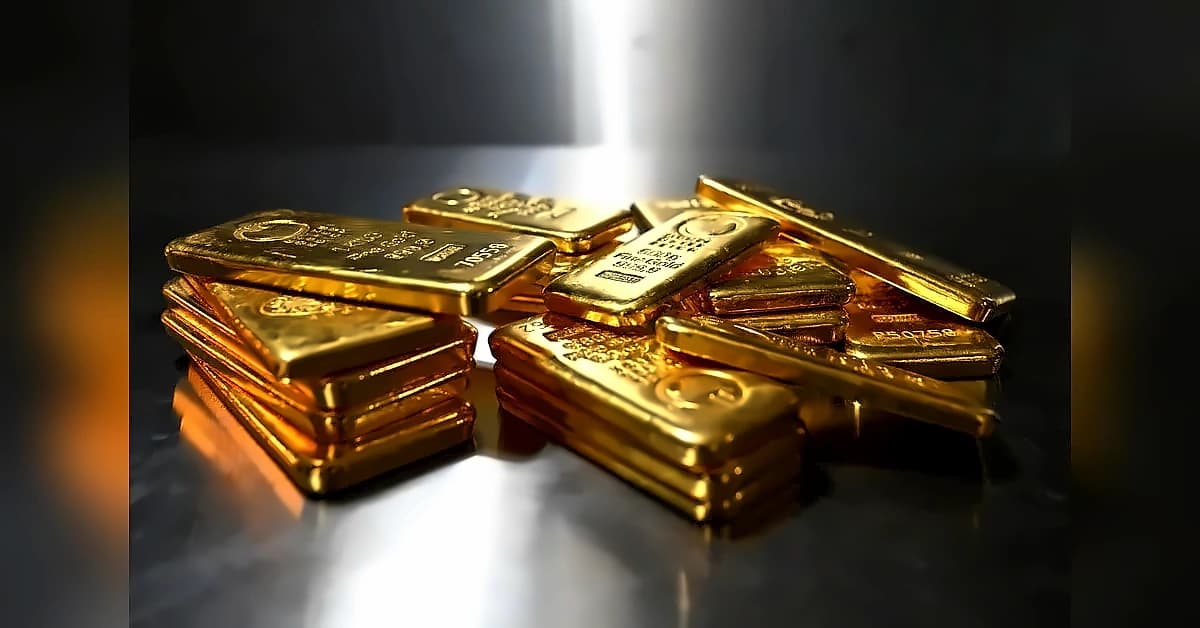
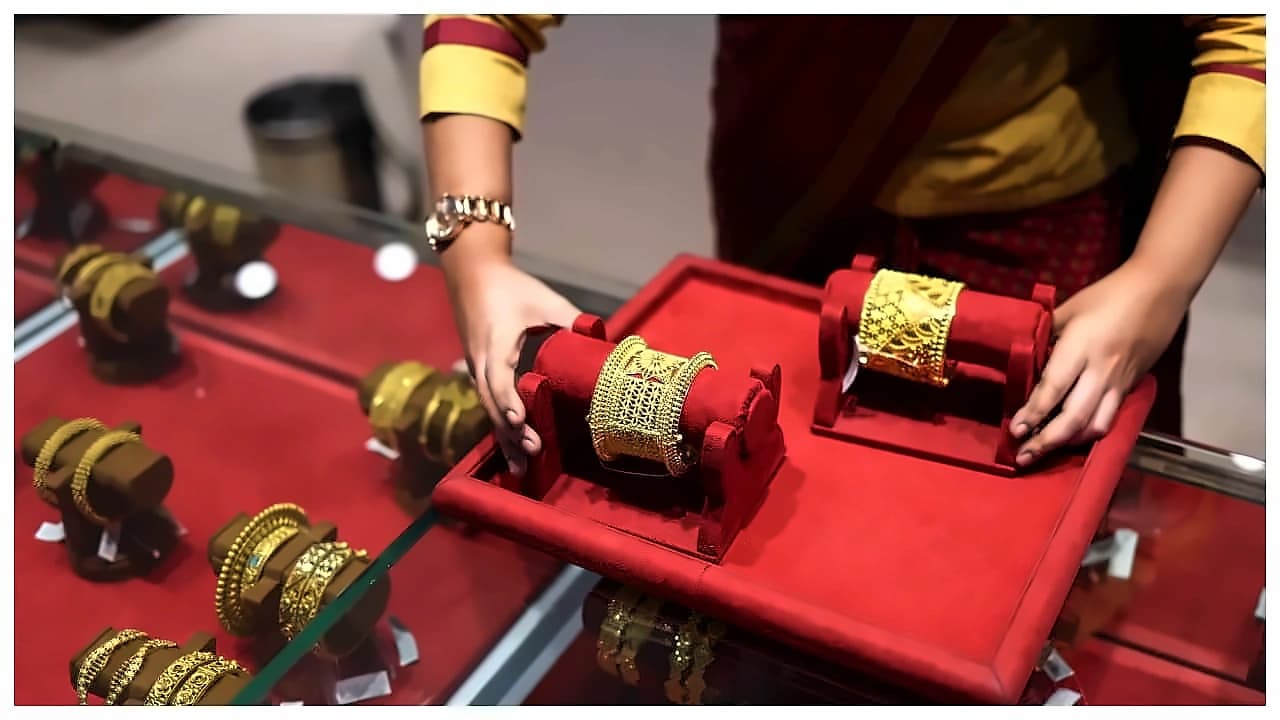
The central government has hiked import tariffs on gold and silver to 15% from 6%, as reported by Reuters and The Hindu BusinessLine on Wednesday, May 13. The increase comprises a 10% basic customs duty and an additional 5% Agriculture Infrastructure and Development Cess (AIDC) on precious metals imports. This represents a significant increase from the previous tariff structure, aimed at reducing gold imports and curbing the current account deficit. The decision, formalised through government orders issued on Wednesday, follows days after Prime Minister Narendra Modi urged citizens to avoid buying gold for a year amid economic stress linked to the Iran war and pressure on foreign exchange reserves. As per Reuters, the duty hike came despite a government source telling Reuters earlier this week that there were no immediate plans to raise duties on gold and silver imports after PM Modi's appeal.
The higher duties are expected to put pressure on gold and silver jewellery prices in the domestic market and potentially dampen demand in India, which is the world's second-largest consumer of precious metals, according to Reuters. The move aims to narrow India's trade deficit and support the rupee, which has been hitting fresh all-time lows almost every week and recently hit an all-time low of 95.75 per dollar. As reported by The Hindu BusinessLine, India meets almost all of its gold consumption through imports, making this tariff increase particularly significant for the domestic market. The stakes are considerable as India is the world's second-largest consumer of gold and meets almost all of its domestic demand through imports, making bullion a persistent and significant contributor to the country's current account deficit.
Despite the government's efforts to curb imports, India's gold imports rose more than 24% to a record $71.98 billion in 2025-26, compared to $58 billion in 2024-25, according to commerce ministry data. However, in volume terms, gold imports fell 4.76% to 721.03 tonnes in 2025-26 from 757.09 tonnes in the previous fiscal year. Gold prices increased significantly from $76,617.48 per kilogram in FY25 to $99,825.38 per kilogram in FY26, with prices currently hovering around ₹1.5 lakh per 10 grams in the national capital after crossing the ₹1 lakh mark for the first time in April last year. Industry estimates suggest a decline in gold import volumes by approximately 10-12% following the duty hike, as reported by multiple sources. Gold accounts for more than 9% of India's total imports, which stood at $775 billion in 2025-26, with Switzerland remaining India's largest source at nearly 40% share, followed by the United Arab Emirates at over 16% and South Africa at around 10%.
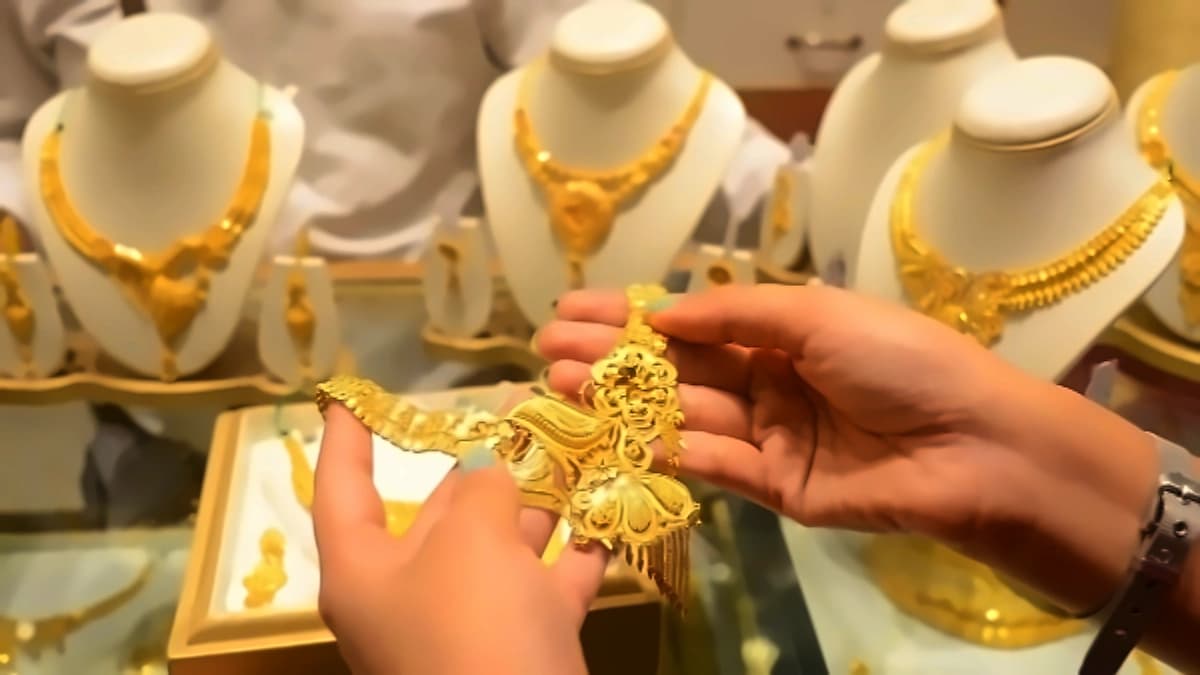
The government has implemented comprehensive import control measures beyond the tariff increase. The revised duty structure, effective from May 13, 2026, applies to gold, silver, platinum, jewellery findings and precious metal-related industrial imports. The government has also increased import duty on gold imported from the United Arab Emirates under the fixed-quantity quota system, which earlier enjoyed concessional duty rates. Additionally, jewellery findings will now attract 5% customs duty, while platinum findings will attract 5.4%. The notification also revises duty rates on jewellery components and modifies concessional duty provisions for spent catalysts or ash containing precious metals meant for recovery and recycling, which will attract a concessional customs duty of 4.35% subject to specified compliance conditions.
The government's message is not against owning gold but aims to curb excessive new imports during a critical macroeconomic phase. Investors can consider Sovereign Gold Bonds (SGBs) as they do not involve physical gold imports and offer interest, along with international funds tracking S&P 500 or Nasdaq, cryptocurrencies like Bitcoin, RBI Floating Rate Bonds, REITs, InvITs, and equity mutual funds. Around 50% of India's jewellery demand is currently met through the exchange and recycling of old gold, highlighting a gradual shift towards reuse rather than new bullion imports. Import demand for jewellery consumption has already dropped by nearly 20% year-on-year, as high prices have deterred discretionary buying. The jewellery sector is increasingly focusing on producing lower-weight, lower-carat jewellery to ensure affordability amid record-high bullion prices. Industry experts warn that elevated duties might lead to a rise in gold and silver smuggling, a trend that had diminished following tariff reductions in mid-2024, according to reports.