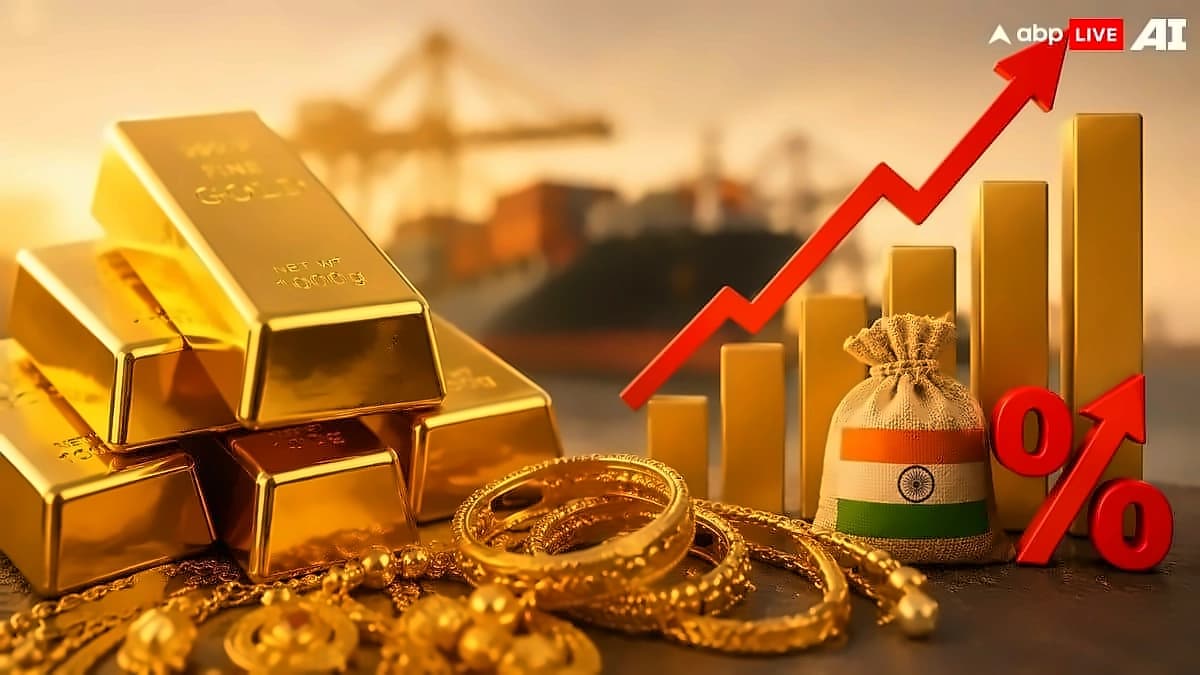
Gold prices have experienced a dramatic surge of ₹8,560 in a single day, with the price of one sovereign reaching a shocking ₹1,23,200 following the government's decision to increase import duty on gold and silver to 15 percent from 6 percent. According to News 48 Daily, this sudden price increase has left jewellery buyers and middle-class families worried, particularly as wedding season and festival shopping approaches. Experts believe the higher import duty directly increased the overall cost of bringing gold into the country, which is now being reflected in retail prices across India.
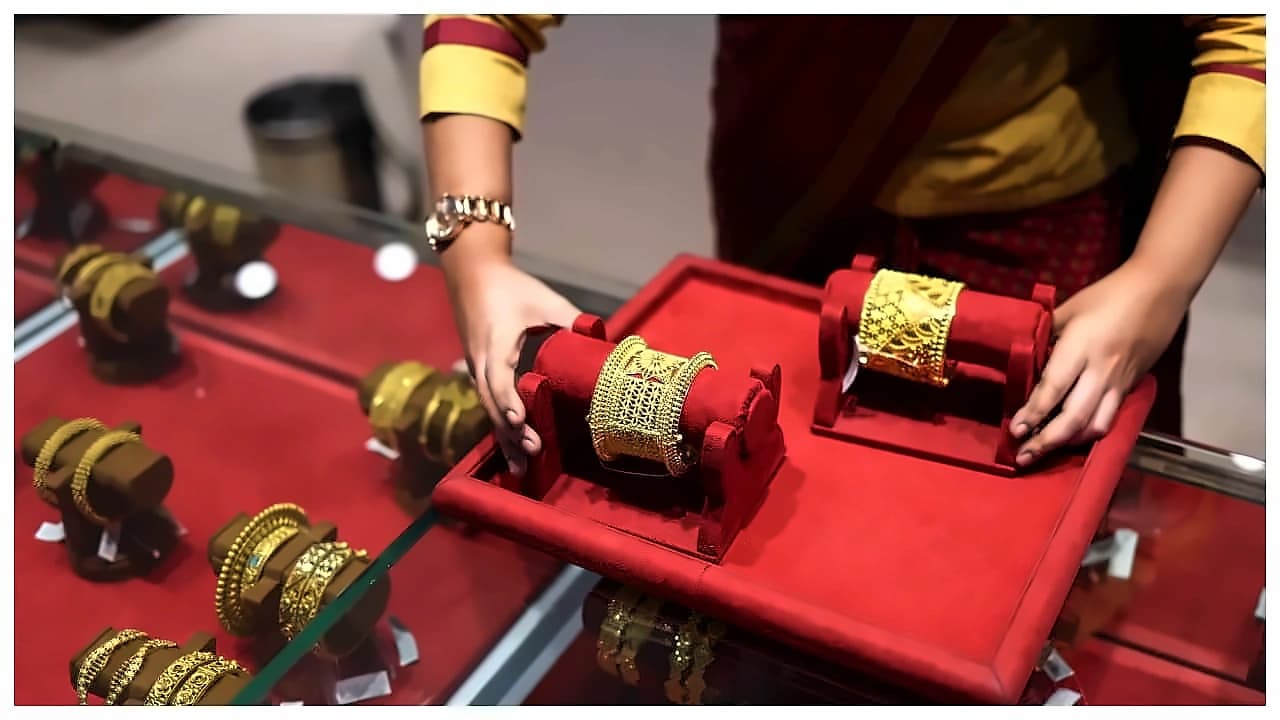
The government raised duty on gold and silver to 15 percent from 6 percent on May 12, following Prime Minister Narendra Modi's appeal to citizens to postpone gold purchases for a year. According to reports from Moneycontrol, this move came as India's gold imports rose more than 24 percent to a record ₹71.98 billion in FY26, up from ₹45.54 billion in the previous year. India, the world's second-largest gold market, imports nearly all of its gold requirements and more than 85 percent of its crude oil needs. The government is reportedly working on plans to contain the impact of global conflict on growth and boost foreign fund flows into India.
Kalyan Jewellers announced a four-point strategy on May 12 to reduce gold imports by five tonnes this fiscal. The company's "Nation First–Gold4India Initiative" includes driving old gold exchange programmes, promoting lighter 18 carat jewellery, and implementing monetisation schemes. As reported by Moneycontrol, Kalyan Jewellers plans to open dedicated counters at its 342 stores to provide professionally managed gold monetisation services. In the December quarter, the mix of old-gold exchange was in the over 30 percent range, 1-2 percent higher than a year before.
Titan Company, the country's largest jewellery retailer, continues its old gold exchange programme launched 25 years ago to meet 50 percent of its gold sourcing requirements. According to Moneycontrol, Titan chief financial officer Ashok Sonthalia noted that "India has the largest above-ground gold reserves in the world, with its citizens and temples." The Gems and Jewellery Export Promotion Council (GJEPC) submitted a proposal to the Centre, recommending that promoting sales of lower caratage jewellery can help reduce imports by 20-30 percent. Malabar Gold & Diamonds submitted a proposal to the Centre, recommending strategic enhancements to the gold monetisation scheme.
Industry executives explain that gold monetisation and old gold exchange help alleviate stress on imports by reusing reserves that can keep being reused in the economy. As reported by Moneycontrol, measures like re-engineering the portfolio mix, introducing light-weight 18 Kt and 14 Kt jewellery help reduce gold demand in a country where 22 Kt jewellery is preferred. Titan has introduced bridal jewellery collections crafted in 18 Kt amid steep price rises. The jewellery industry is preparing for a behavioural shift, not a demand collapse, following the government's policy changes. At this pace, gold is slowly becoming a luxury that many people may no longer be able to afford, with spikes in oil and bullion imports potentially widening the current account deficit and increasing pressure on the rupee.