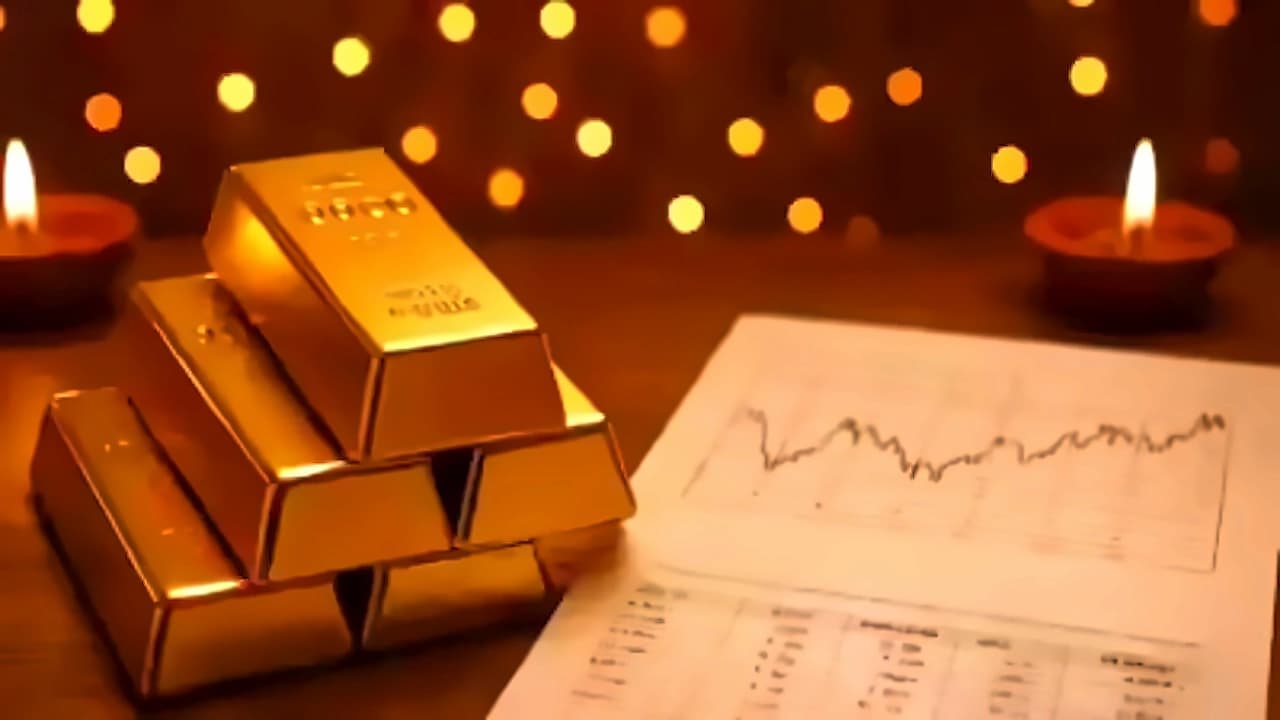
India has raised import tariffs on gold and silver to 15% from 6%, as reported by Reuters. The government has imposed a 10% basic customs duty and a 5% Agriculture Infrastructure and Development Cess (AIDC) on gold and silver imports, taking the effective import tax to 15% from 6%. The finance ministry notified these changes through multiple customs notifications on 12 May 2026, with the revised rates coming into effect on 13 May 2026. This increase comes just days after Prime Minister Narendra Modi urged Indians to avoid buying gold for a year in the national interest amid rising economic pressures linked to the ongoing Middle East conflict. The sharp increase in duties comes as part of efforts to curb overseas purchases of the metals and ease pressure on the country's foreign exchange reserves.
The higher duties could dampen demand in the world's second-largest consumer of precious metals, according to Reuters. However, they may help narrow India's trade deficit and support the rupee, which recently hit a record low against the dollar. Economists say the move could help narrow India's trade deficit and support the rupee, which recently hit a record low of 95.75 per dollar. The tariff hike follows growing concerns within the government over the rapid rise in gold imports and their impact on India's foreign exchange reserves and trade balance. Backing the Prime Minister's remarks, the Global Trade Research Initiative said rising bullion imports were placing severe pressure on India's external finances.
Gold demand, particularly for investment purposes, has risen in India amid a recent rally in prices and negative returns from equities over the past year, as reported by Reuters. Inflows into India's gold exchange-traded funds (ETFs) surged 186% year-on-year in the March quarter to a record 20 metric tons, according to the World Gold Council. Industry officials warned that higher import taxes could revive smuggling, which had eased after India cut tariffs in mid-2024, as noted by Reuters. Surendra Mehta, national secretary at the India Bullion and Jewellers Association, said the government's move could affect demand as gold and silver prices were already elevated. The higher tariffs are expected to dampen demand in the world's second-largest consumer of precious metals.
India has been trying to curb gold imports in recent weeks and began levying a 3% integrated goods and services tax (IGST) on gold and silver imports, prompting banks to halt imports for more than a month, as reported by Reuters. As a result, April imports fell to a near 30-year low. Banks have since resumed imports after paying the 3% IGST, but imports are now likely to fall again following the increase in import duties, according to bullion dealers. India meets almost all of its gold consumption through imports, making the tariff hike particularly significant for the country's precious metals market. According to Reuters, gold imports in 2025 rose 1.6% year-on-year to $58.9 billion, while silver imports climbed 44% to $9.2 billion. A TOI report said gold imports jumped to nearly $12 billion in January 2026 alone, pushing India's trade deficit to a three-month high.
Grey markets are likely to become active as the incentives to bring in gold illegally are high at current price levels, according to a Mumbai-based bullion dealer at a private bank who declined to be named, as reported by The Economic Times. At current price levels, smugglers could make significant profits, raising concerns about potential illegal trade activities. Industry executives warn that while higher tariffs may reduce official imports, they could also potentially revive smuggling activities, which had decreased after the earlier duty cuts. The revised customs duty rates also cover precious metal findings and recyclable precious metal waste, with gold and silver findings now attracting 5% customs duty, platinum findings facing 5.4% duty, and spent catalysts or ash containing precious metals having a concessional 4.35% duty, subject to compliance conditions and recycling-related clearances.