Canada has officially secured a significant liquefied natural gas export agreement with Germany, marking a strategic shift in energy trade relationships. An official familiar with the situation confirmed that the Canadian government will be signing a deal with SEFE, an acronym for Securing Energy for Europe, for the KSI Lisims export facility located on the coast of British Columbia. The announcement is expected to take place on Wednesday, although the official requested anonymity due to the sensitive nature of the negotiations. The deal involves exporting up to 1 million metric tons (approximately 1.1 million U.S. tons) of liquefied natural gas per year from the proposed Pacific Coast terminal.
Prime Minister Mark Carney has identified a broader goal to double non-U.S. trade within a decade, as reported by Business Standard. Oil and gas-rich Canada currently directs nearly all of its energy exports to the United States, making this LNG deal part of a significant strategic pivot. British Columbia Premier David Eby emphasized that securing this deal would be a pivotal milestone for the KSI Lisims project, potentially prompting the partners behind it to proceed with their ambitious CAD 10 billion (about $7.2 billion USD) investment in the plant and export terminal. Canadian Energy Minister Tim Hodgson is expected to announce the details of this agreement soon, providing official confirmation of the strategic partnership.
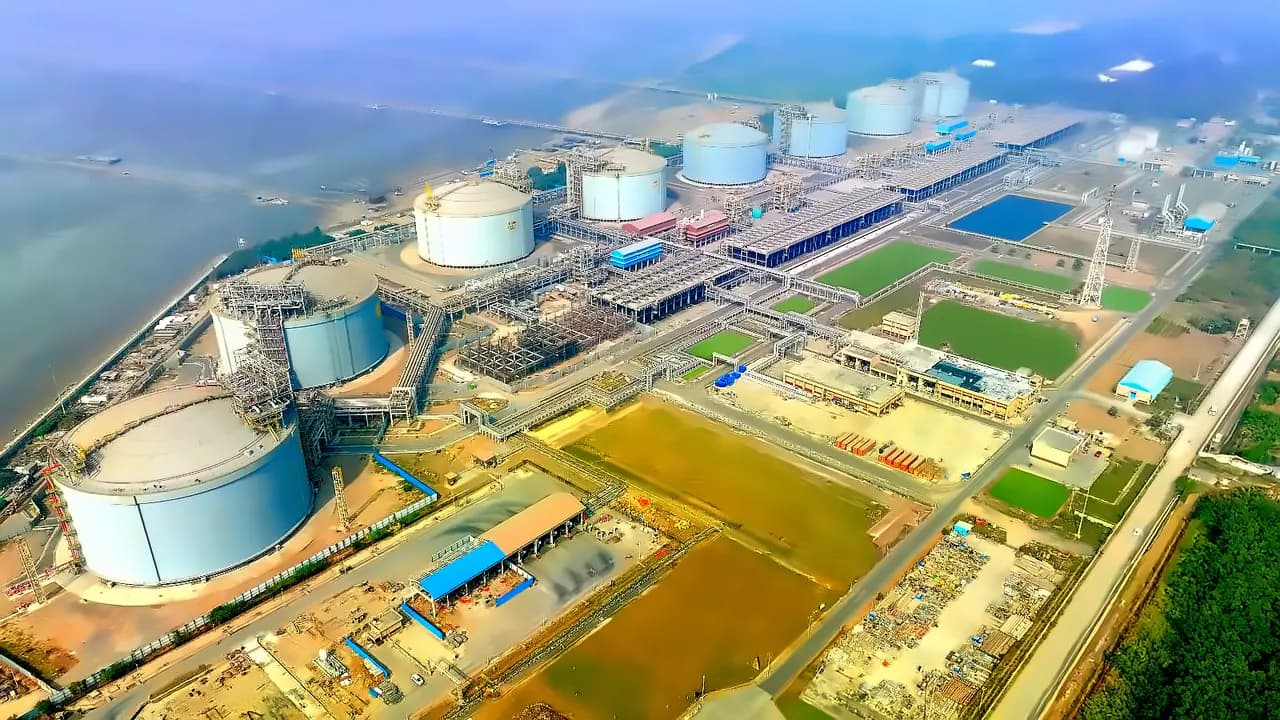
The KSI Lisims facility, situated on Pearse Island near the Alaskan border, has already obtained the necessary permits but the consortium has yet to make a final investment decision needed to kickstart construction. As reported by Business Standard, Eby noted that finalizing offtake agreements with buyers is essential for the KSI Lisims facility to move forward. The partnership has already signed supply agreements with a unit of London-based Shell and France-based TotalEnergies, demonstrating strong international backing for the project. The substantial CAD 10 billion investment is expected to significantly bolster Canada's LNG production capacity and position in the global energy market.
SEFE is particularly noteworthy as it was formerly the subsidiary of Gazprom, which Germany nationalized in 2022 amid the ongoing energy crisis linked to the war in Ukraine and increasing tensions in the Middle East. This crisis has severely disrupted energy supplies, especially natural gas, essential for home heating, electricity generation, and industrial processes, driving inflation and forcing some factories to curtail operations due to soaring prices. Before the war, Germany was heavily reliant on Russian gas imports, making this agreement particularly significant for Europe's energy security.