Crude oil futures surged dramatically on Monday, with Brent crude jumping more than 8% and West Texas Intermediate gaining around 7% as investors assessed the fallout from US-Israel air strikes on Iran and subsequent counterattacks in the region. According to Yahoo Finance, the surge represents a significant escalation from earlier market concerns about Middle East tensions. Andrew Freris, CEO of Ecognosis Advisory, continues to believe oil prices like Brent may remain elevated amid ongoing West Asian conflicts, suggesting that it seems like it is going to be a long drawn thing… Does it seem like $100 could be the new reality for Brent? He emphasized that the ongoing conflict in West Asia is unlikely to be short-lived and could reshape global energy flows for years rather than months. The expert described the outlook as a "two-year view" rather than a short-term market event, with markets needing to adjust to a prolonged phase of disruption rather than a temporary shock.
Freris highlighted that the Hormuz Straits are going to become irrelevant as countries develop alternative supply routes. As reported by The Economic Times, he noted that "Turkey is outlining pipework. Saudi Arabia already has bypass routes in place." These adjustments will take time, making the transition disruptive but structural. The expert argued that energy exporters are already working on bypass mechanisms, which will reduce the strategic importance of the Strait of Hormuz over time. This shift represents a fundamental change in global energy infrastructure that could reshape how oil flows through the region. Fundstrat's head of digital assets Sean Farrell noted that "crude remains the critical risk variable, and any further escalation that materially disrupts shipping lanes or energy flows would likely negate this constructive near-term view."
Bitcoin rose around 5% on Monday to hover near $69,000 as investors assessed Middle East tensions, marking a recovery from a volatile weekend. According to Yahoo Finance, the token's gain came after it dropped to around $63,255 early Saturday immediately following US and Israeli attacks on Iran, then climbed above $68,000 as reports spread that Iran's Supreme Leader Ayatollah Ali Khamenei had been killed. Ether also traded above $2,000 on Monday after tumbling roughly 10% in the wake of the attacks. David Morrison, senior market analyst at Trade Nation, noted that "Bitcoin's relative stability has renewed the 'digital gold' narrative, as it behaves less like a high-beta tech asset and more like a store of value amid geopolitical stress." Fundstrat's Farrell observed that "crypto's resilience in the face of geopolitical escalation is constructive and suggests room for tactical upside as defensive positioning unwinds."
Freris highlighted the uneven nature of US corporate earnings, noting that while some sectors remain strong, especially those linked to technology and AI, the overall picture is inconsistent. As reported by The Economic Times, he said "Earnings from AI and IT are variable." He pointed out that the S&P is driven by about 10 stocks, which creates discomfort from a valuation and risk standpoint. At the same time, he noted that several Asian markets have performed better in dollar terms compared to the S&P, suggesting regional divergence in market performance. Bitcoin remains down 20% so far this year after notching a fifth straight month of losses in February, having struggled to find a footing after tumbling from an all-time high of $126,000 in October. Wall Street has lowered year-end forecasts, with even the most bullish analysts envisioning a scenario in which the cryptocurrency could drop toward $50,000 before rallying in the second half of this year.
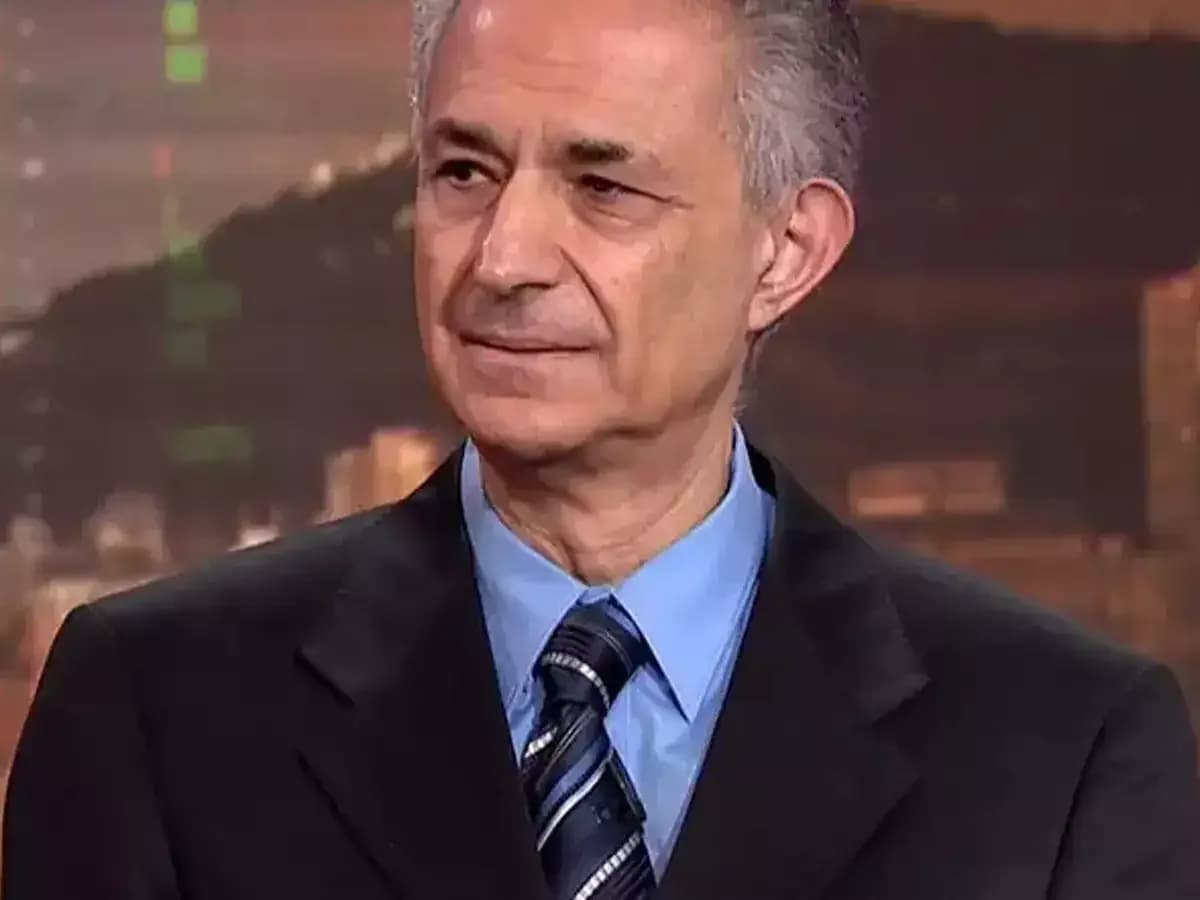
Overall, Freris sees a widening gap between markets and macro risks, with energy markets adjusting to long-term geopolitical realignments while equity markets remain heavily dependent on a narrow AI-driven narrative. According to The Economic Times, he suggests that both themes—structural energy disruption and concentrated equity leadership—are likely to define global markets over a multi-year horizon rather than in the near term. This analysis points to fundamental structural changes in both energy markets and equity valuations that investors should prepare for over the coming years. The current market volatility reflects the complex interplay between geopolitical tensions, energy supply disruptions, and the resilience of alternative asset classes like cryptocurrency during periods of uncertainty.