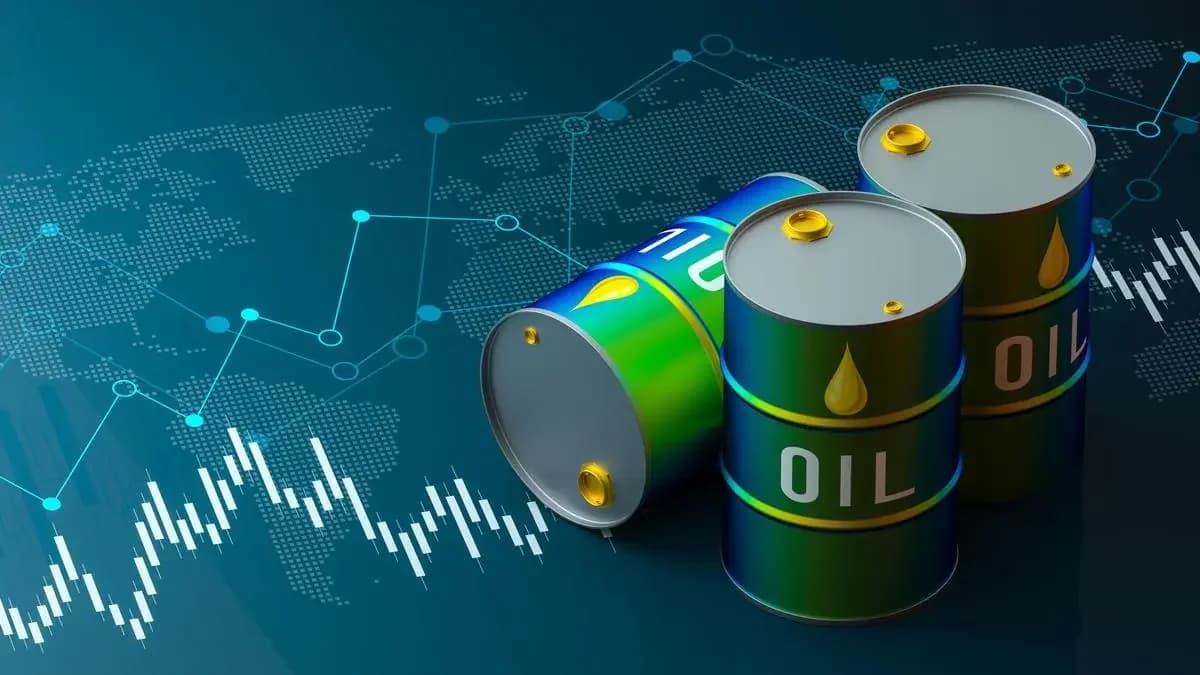
Oil prices have surged dramatically as Middle East supply disruptions intensify, with Brent crude jumping 6.45% to trade at $118.40 per barrel and WTI crude up 7.20% to $107.10 per barrel. According to OilPrice.com, the rally was triggered by reports of the U.S. tightening its blockade on Iranian ports and the UAE's announcement to exit OPEC+. The stalemate in the conflict has continued for a further week with no clear resolution, with social media messaging from the White House alternating from apathy to hyperbole on a daily basis. Gasoline prices also continue to edge higher, with AAA reporting the average national price at $4.229 per barrel. Oil and commodity analysts at Standard Chartered contend that the U.S. still appears keen to recommence direct negotiations, with every additional day of stalemate representing more lost barrels in the market.
The Federal Reserve maintained interest rates at current levels during its latest policy decision, signaling caution as Chair Jerome Powell nears the end of his tenure. According to ETMarkets, the Fed is navigating a complex environment where inflation risks remain elevated due to rising oil prices and supply chain disruptions triggered by geopolitical tensions. The central bank faces the challenge of balancing these external pressures against the need to avoid aggressive rate hikes that could slow economic growth. A US Senate panel has cleared Kevin Warsh's nomination as the next Fed chair, bringing him closer to confirmation and adding political debate over central bank independence. President Trump's push for faster rate cuts to support economic growth has created additional uncertainty around future policy direction, particularly if leadership changes lead to a shift in approach.
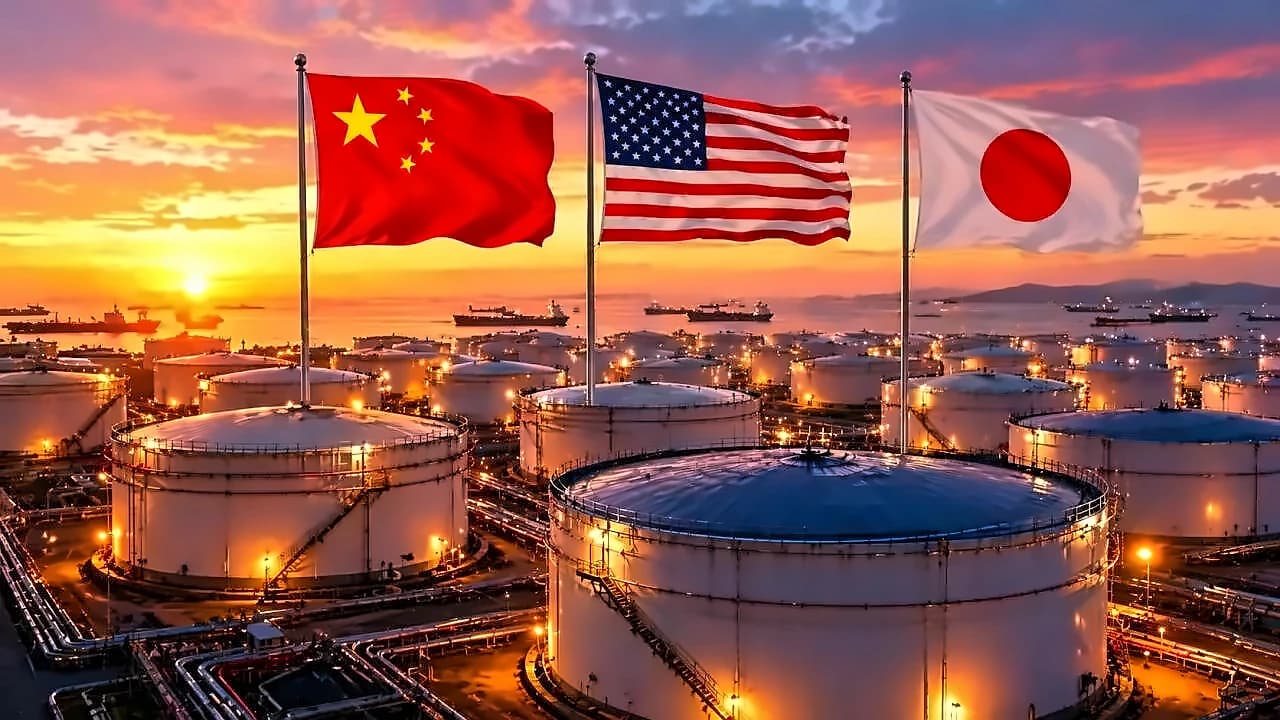
According to the US Energy Information Administration's (IEA) data analysis for December 2025, China holds the world's largest strategic oil reserves, significantly expanding its holdings during 2025. The United States, despite being the largest oil producer, maintains the second-largest strategic reserves, followed by Japan. As reported by The Times of India, these strategic reserves were established during the 1970s by the United States and other OECD members to cushion their economies against oil supply disruptions. The IEA analysis focuses on the 10 countries with the largest estimated strategic oil reserves and onshore storage capacity, which together account for roughly 70% of total global strategic oil holdings.
According to the IEA analysis, China significantly expanded its strategic crude reserves in 2025, adding crude at an average rate of 1.1 million barrels per day during the year. As reported by The Times of India, IEA estimates that China's total strategic oil inventories reached nearly 1.4 billion barrels by December 2025. The country does not publicly disclose its oil inventory figures, so IEA derived these numbers using import, export, refining, and stock data from both official and third-party sources. Government-controlled crude reserves in China are estimated to have averaged roughly 360 million barrels in December 2025.
According to Indian Strategic Petroleum Reserves Limited, India held 21.4 million barrels of crude oil in its strategic petroleum reserves as of March 2025. As reported by The Times of India, in addition, around 3 million barrels of crude were stored at India's Mangalore facility on behalf of the Abu Dhabi National Oil Company. These volumes are not counted as part of India's strategic reserves. Under the agreement between ADNOC and Indian Strategic Petroleum Reserves Limited, ADNOC is permitted to use the Mangalore facility for commercial storage, but half of the site's total capacity, which is roughly 6 million barrels, must remain available for strategic use by ISPRL whenever required. India has also been evaluating options to expand its storage footprint beyond its borders, holding discussions with Oman regarding the possibility of leasing storage space for up to 5 million barrels of crude oil.