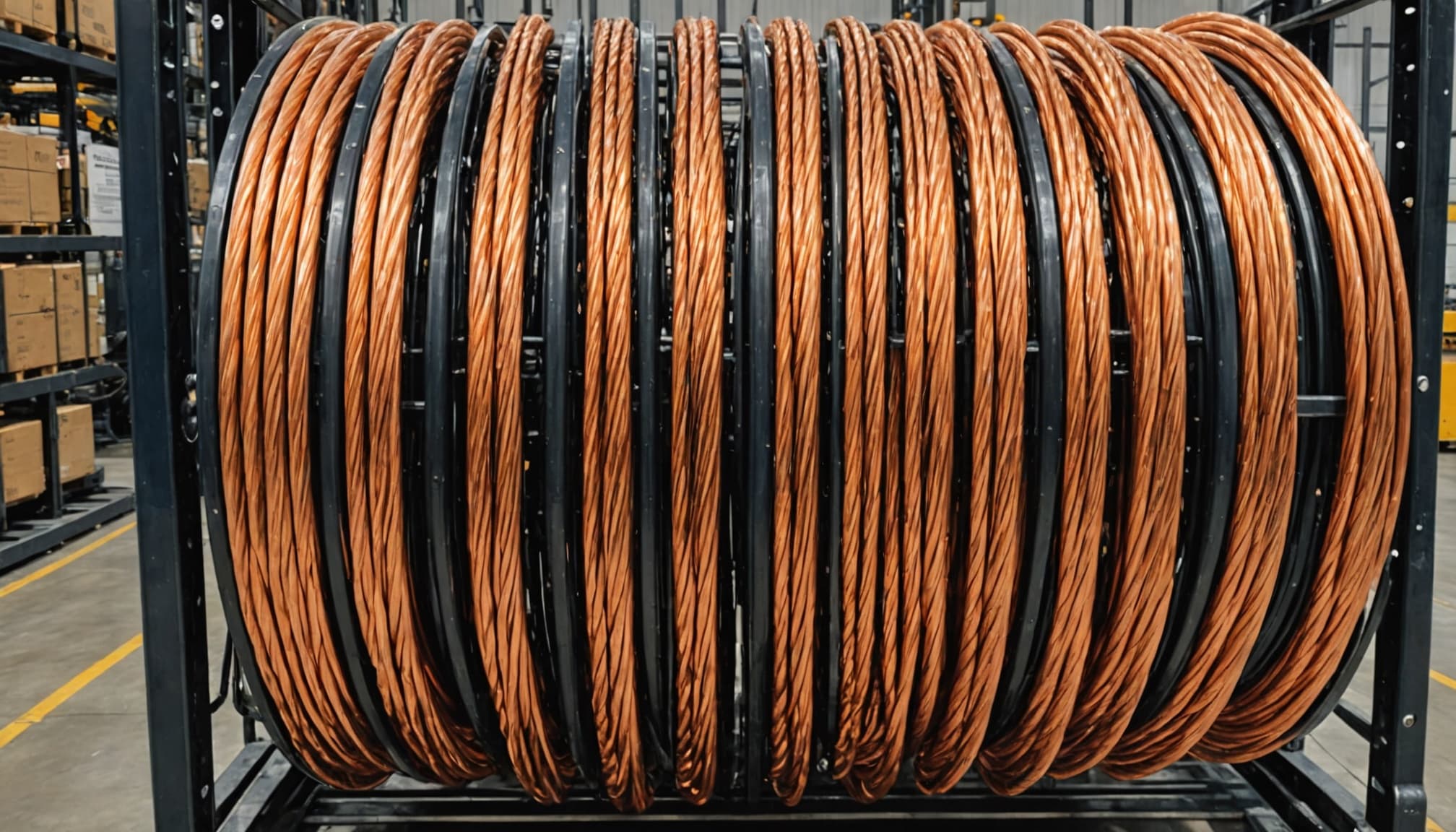
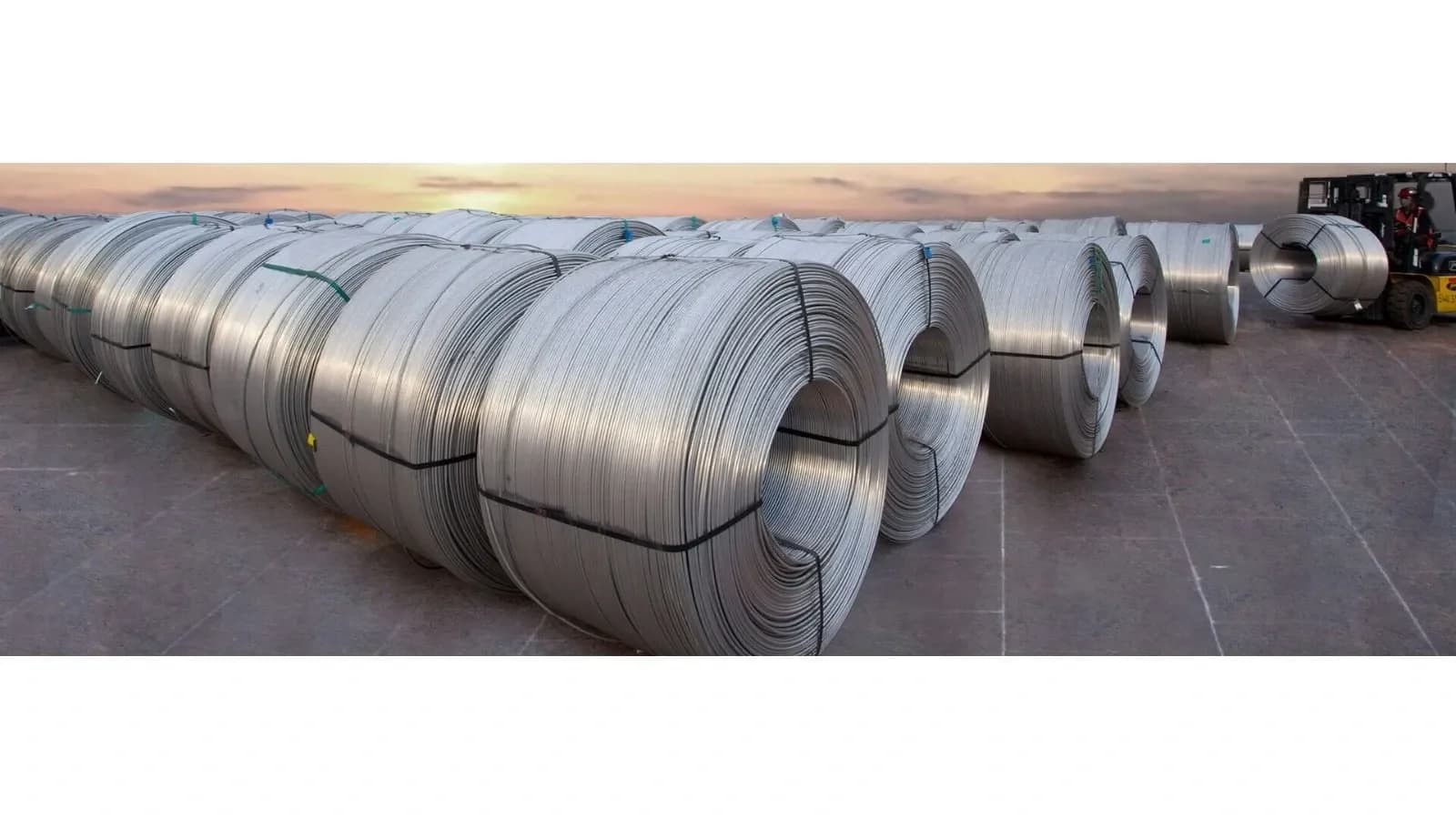
Metal sector stocks witnessed sharp selling on Wednesday, November 18, with the Nifty Metal index declining 2.5% as the worst performing index, tracking a fall in global commodity prices on a firm US dollar. The index opened at 12,441.85 and fell 1.8% to hit an intraday low of 12,301.85, compared with its previous close of 12,530.30. According to CNBC TV18, Vedanta Aluminium emerged as the top loser with a 5.5% decline, while NALCO and Hindustan Zinc fell over 4% each, as did shares of Vedanta Ltd. Other major losers included Jindal Steel, Hindustan Copper and Hindalco seeing losses of close to 3% to trade at ₹1,110.50, ₹420.80, and ₹906.30 respectively. The broader market remained under pressure, with the Sensex falling around 300 points and Nifty 50 declining nearly 100 points, while India VIX climbed nearly 1.5%, indicating heightened nervousness among investors.
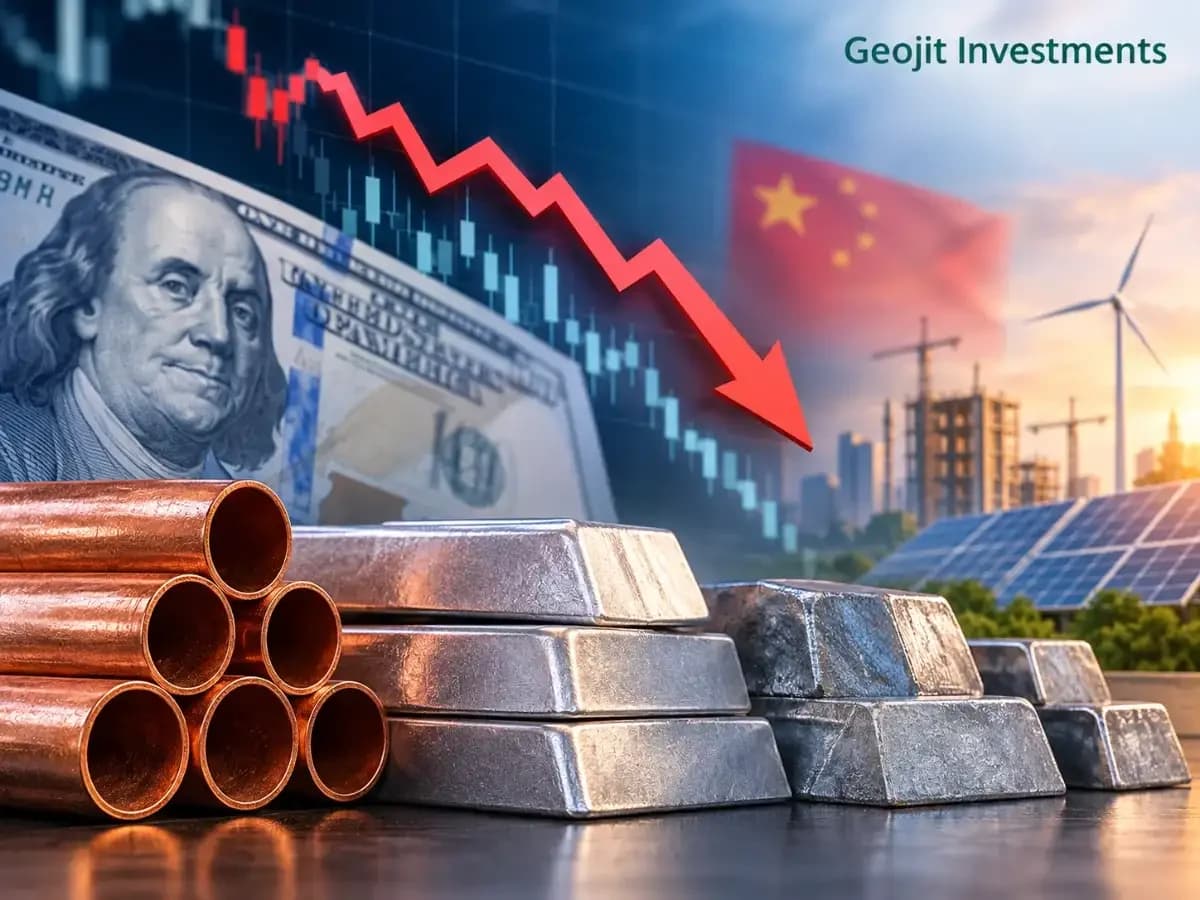
The metal sector weakness coincided with a decline in international commodity prices, with silver, copper, gold and other metals crashing up to 38% from their recent highs amid concerns of economic growth slowdown as global bankers resort to interest rate hikes owing to high inflation. According to Business Standard, silver prices have cracked up to 38.3% from August highs, while gold prices depreciated by 20%. Among other base metals, nickel plunged 22% from its high in May, while copper, zinc and aluminium declined in the range of 14-17% from the highs in September. From their recent peaks, copper prices have fallen 15% from ₹1,432 to ₹1,215 per kg, aluminium dropped 21% from ₹397 to ₹313 per kg, and zinc declined 13% from ₹452 to ₹394 per kg. The decline has been compounded by Nvidia posting strong earnings but signaling greater discipline in AI portfolio investments, prompting investors to unwind long positions in the AI trade.
The sharp drop in base metals is set to ease input cost pressures for automakers, though existing procurement cycles mean margin relief will likely be delayed. According to CNBC TV18, about 75% of a quarter's procurement costs reflect the previous quarter's commodity prices, meaning the gains from cheaper commodities are expected to show up more in Q4 FY27 than in Q3 FY27. Aluminium, copper, rubber, and plastic components account for 40-45% of passenger vehicle raw material costs. Tata Motors PV saw the impact as 4% of revenue in Q1 and a further 3% in Q2, while Bajaj Auto was affected by 4.5% of revenue in Q1 and a further 3.5% in Q2. Hyundai margins fell 400 bps YoY and 250 bps quarter-on-quarter, and Maruti Suzuki saw the material cost ratio rise 420 bps.
Technical analysts from Angel One and SAMCO Securities have identified key trading opportunities amid the metals selloff. Hindustan Copper is currently trading at ₹417 with analysts flagging a classic lower highs and lower lows pattern, recommending short positions at ₹419 with an expected move towards ₹400. APL Apollo Tubes is consolidating around ₹2,270-2,300 zone after staging a U-shaped recovery, with analysts seeing potential for further upside above ₹2,270. NMDC is trading at ₹68.25 with a double-bottom pattern developing, while SAIL is trading below its 20-day SMA at ₹169 after the mid-November rally stalled near ₹181. The technical analysis suggests that while metals have corrected significantly from recent highs, selective opportunities exist for traders willing to navigate the current volatility.
Indian steelmakers are currently shielded by a safeguard duty valid until March 2028, which is crucial as Chinese hot-rolled coil export prices have plummeted to near-decadal lows of $485 per tonne, with Chinese implied margins falling well below marginal costs to $145-$150 per tonne. However, domestic steel prices are defying the trend, averaging ₹63,965 per tonne in October-November, which is 7% higher than the Q2 FY27 average of ₹59,800 per tonne. Without the safeguard duty, imported Chinese steel would trade at a 5% to 7% discount to domestic prices, even after accounting for an existing 7.5% import duty. With underlying demand improving, the sector is positioned for strong volume growth in the second half of FY27. Based on Emkay estimates, domestic steel counters currently command higher forward multiples compared to their aluminium peers, with SAIL trading at 6.2x FY28 EV/EBITDA, Jindal Steel at 7x, Tata Steel at 7.1x, and JSW Steel at 9.6x.