Metal stocks remained under severe pressure for the fourth consecutive session on Friday, with the Nifty Metal index down 3.5% as of 11:55 AM, making it the worst-performing sectoral index. According to Business Standard, all 15 constituents of the index were trading in the red, with the latest decline dragging the Nifty Metal index down around 6.3% over the past four trading sessions, compared with a 3% fall in the benchmark Nifty 50 index in the same period. The Nifty 50 index closed at 22,811.35, declining 77.60 points or 0.34%, while the BSE Sensex fell 143.21 points or 0.19% to close at 73,709.69. At current levels, the Nifty Metal index is down around 18% from its record high of 13,931.35, touched on June 15, 2026. Markets initially gained on optimism surrounding India-US trade negotiations but failed to sustain momentum as Brent crude prices spiked to $114, raising concerns about imported inflation, corporate margins and the rupee.
The metal index is down nearly 10% over the past six months and has shed more than 4% over the past five sessions, as reported by The Economic Times. Metal stocks are facing selling pressure amid elevated crude oil prices, concerns over global growth, and cautious investor sentiment. Brent crude has climbed above $110 a barrel, with the latest data showing Brent crude climbed 1.31% to USD 110.15 per barrel, raising concerns about India's import costs and inflation. Higher oil prices could pressure corporate profit margins and increase volatility in the Indian rupee, which strengthened to ₹94.71 against the US dollar. As per Geojit Investments, elevated crude prices and persistent foreign institutional investor (FII) selling overshadowed positive trade developments. According to PL Capital, Brent crude trading above USD 110 per barrel raises concerns over imported inflation, corporate margins and the rupee, which strengthened to ₹94.71 against the US dollar. The current price surge was driven by Tehran telling Pakistani mediators that it would not resume talks with Washington until its demands were met, while reports indicated that Israel was preparing for further strikes on Iran, adding to geopolitical tensions.
Vedanta Aluminium Metal led the losses, falling 6% to ₹338, followed by National Aluminium Company (Nalco), which declined 4.6% to ₹296.70. According to Business Standard, Vedanta Ltd, Hindustan Copper and Hindustan Zinc slipped 4-4.5% to trade at ₹224.90, ₹395.10 and ₹496.45, respectively. Other major decliners included Tata Steel, Steel Authority of India (SAIL), NMDC, Jindal Stainless, Jindal Steel, APL Apollo Tubes and Lloyds Metals and Energy, all trading lower by up to 4%. As per PL Capital, Indian equities came under renewed selling pressure after surrendering early gains, with markets may remain volatile and investors should track geopolitical developments, crude prices and earnings, favouring fundamentally strong stocks. Nifty Smallcap 100 and Nifty Midcap 100 closed lower, while S&P BSE SME IPO and BSE Capital Goods emerged as top index losers.
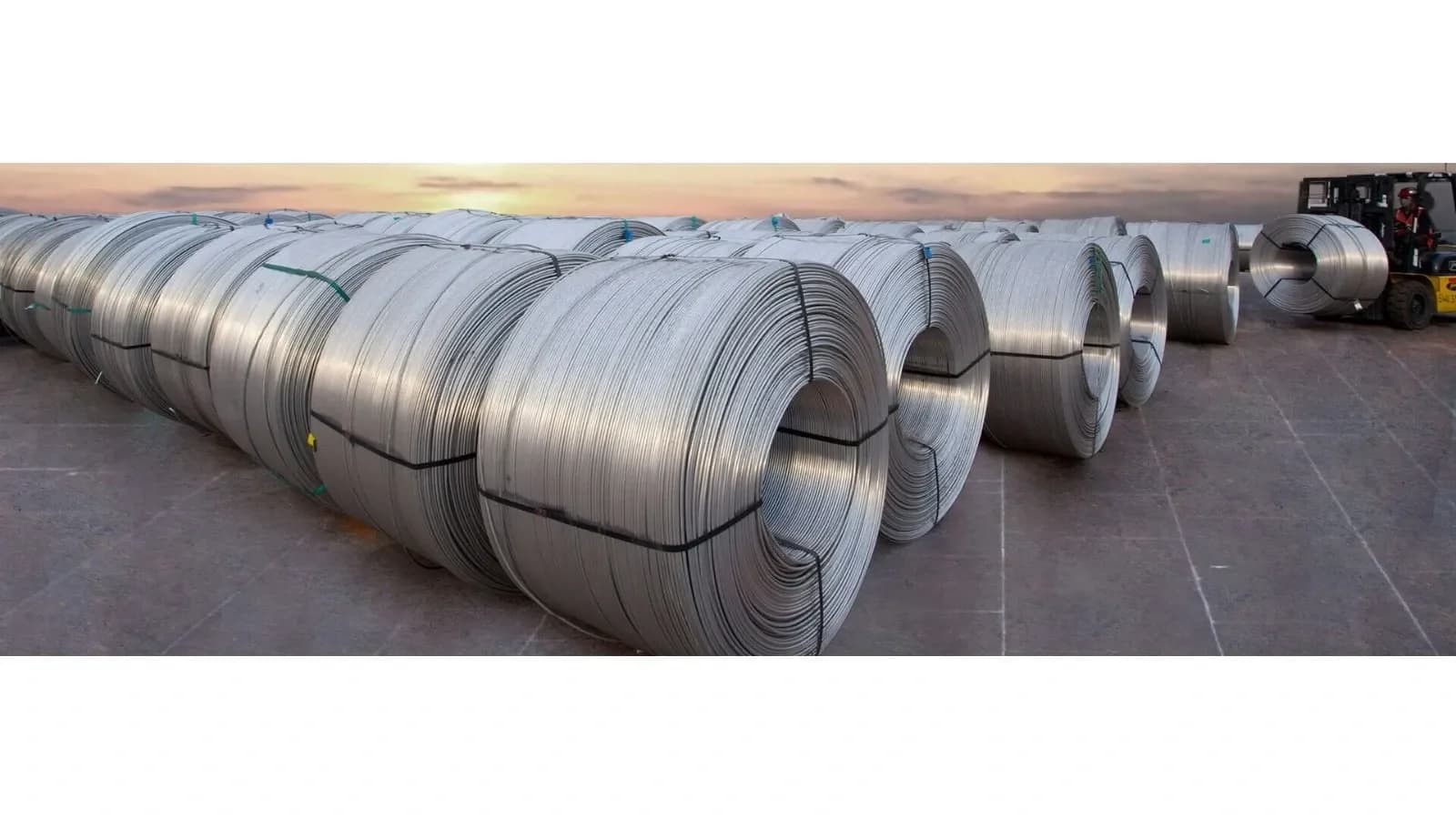
According to The Economic Times, metals such as aluminium, copper and steel are closely linked to industrial activity. Fears of slower global economic growth can weigh on expectations for demand from construction, manufacturing and infrastructure sectors. A stronger US dollar and higher bond yields can also weigh on sentiment towards commodities and cyclical stocks, adding to the sector's challenges. Steel, aluminium and copper prices are determined to a great extent by industrial production, infrastructure investment and demand for manufacturing, particularly in China, which is one of the biggest consumers of metals. A slowdown in China or weakening of global manufacturing will impact commodity prices and earnings forecasts of Indian metal companies, as noted by Piyush Jhunjhunwala, founder and CEO of Stockify. The strong US dollar and high bond yields will put downward pressure on commodity prices and demand for cyclical stocks, with companies that enjoy lower cost of production, with a manageable debt, may be in a better position to withstand the volatility.
Despite broader market weakness, Reliance Industries closed higher as Jio Platforms' ₹30,213 crore IPO was fully subscribed within hours of opening, driven by strong demand from qualified institutional buyers (QIBs). This positive development provided some relief to the overall market sentiment. According to VK Vijayakumar, chief investment strategist at Geojit Investments, fairly-valued large-caps, particularly those which are growing well, present value buying opportunities for patient investors. Meanwhile, Aditya Birla Money in a report said it maintains a favourable stance on the steel sector and initiate coverage with 'Buy' ratings on JSW Steel and SAIL; 'Add' ratings on Tata Steel and Jindal Steel. JSW Steel provides a compounder with consistent capacity additions, while SAIL provides a margins recovery play. From an international investing standpoint, the brokerage has initiated coverage on ArcelorMittal (MT), listed on Euronext Amsterdam.