Gold prices have surged nearly 2% to around $4,100 per troy ounce during Tuesday's North American session, driven by safe-haven demand as a pause in fighting between the US and Iran over the weekend has eased oil supply risks and inflationary concerns. According to The Hindu BusinessLine, bullion rose as much as 1.6% to top $4,100 an ounce, having gained nearly 1% in the previous week after the US halted an almost two-week run of strikes against Iran without any explanation or announcement. The Islamic Republic signalled it was refraining from retaliatory attacks and held talks with Oman to resolve the crucial issue of shipping via the Strait of Hormuz, providing significant relief to markets that had been concerned about potential supply disruptions. Spot gold climbed 1% to $4,094.55 an ounce at 2:25 p.m. in Singapore, with silver jumping 2.2% to $59.47 an ounce and both platinum and palladium also advancing. The precious metal is gathering traction even as US Treasury yields and the Greenback register gains, with the US Dollar Index (DXY) advancing towards 101.20 for a fourth straight session, though the Bloomberg Dollar Spot Index slipped 0.2% as the crisis pause reduced geopolitical risk premiums.
Oil tumbled at the week's open, with global benchmark Brent falling more than 7% to below $90 a barrel in the initial few minutes, before paring losses significantly as the crisis pause took effect. According to The Hindu BusinessLine, this dramatic reversal came despite missile attacks claimed by Tehran-backed Houthis in Yemen on facilities linked to Saudi Aramco in the Red Sea port towns of Jizan and Yanbu. The latest rally represents a significant shift from the previous surge that saw WTI crude oil jump over 2% to $84.50 per barrel as concerns grew about supply and shipping risks in the Middle East. The Strait of Hormuz—through which roughly a fifth of the world's oil and gas supply passes—has been at the center of market anxiety, with confrontations and intermittent shutdowns of operations intensifying the risk of further supply outages. The move represents a reminder that geopolitics can reassert itself as a dominant market driver with little warning, though the current pause has provided crucial relief to energy markets.
USD/JPY has moved above 163.20 after clearing 163.00 for the first time since December 1986, fuelling intervention talk as US yields, oil prices, and yen weakness combine to create extreme market conditions. According to market reports, the Japanese Yen has collapsed past 163.20 against the Dollar, a level not seen since Japan's economic bubble was expanding, with the risk of sudden market intervention by Japanese authorities now extremely high. Historically, sudden government interventions like those seen in 2022 and 2024 when Japan spent tens of billions of dollars to support the Yen can trigger rapid 300 to 500-pip drops in a matter of hours. In FX markets, EUR/USD edged down near 1.1400 with the euro lacking scheduled Eurozone catalysts, and GBP/USD fell towards 1.3380, down about 0.4%, with focus also on the UK's fiscal backdrop and an impending Labour leadership transition.
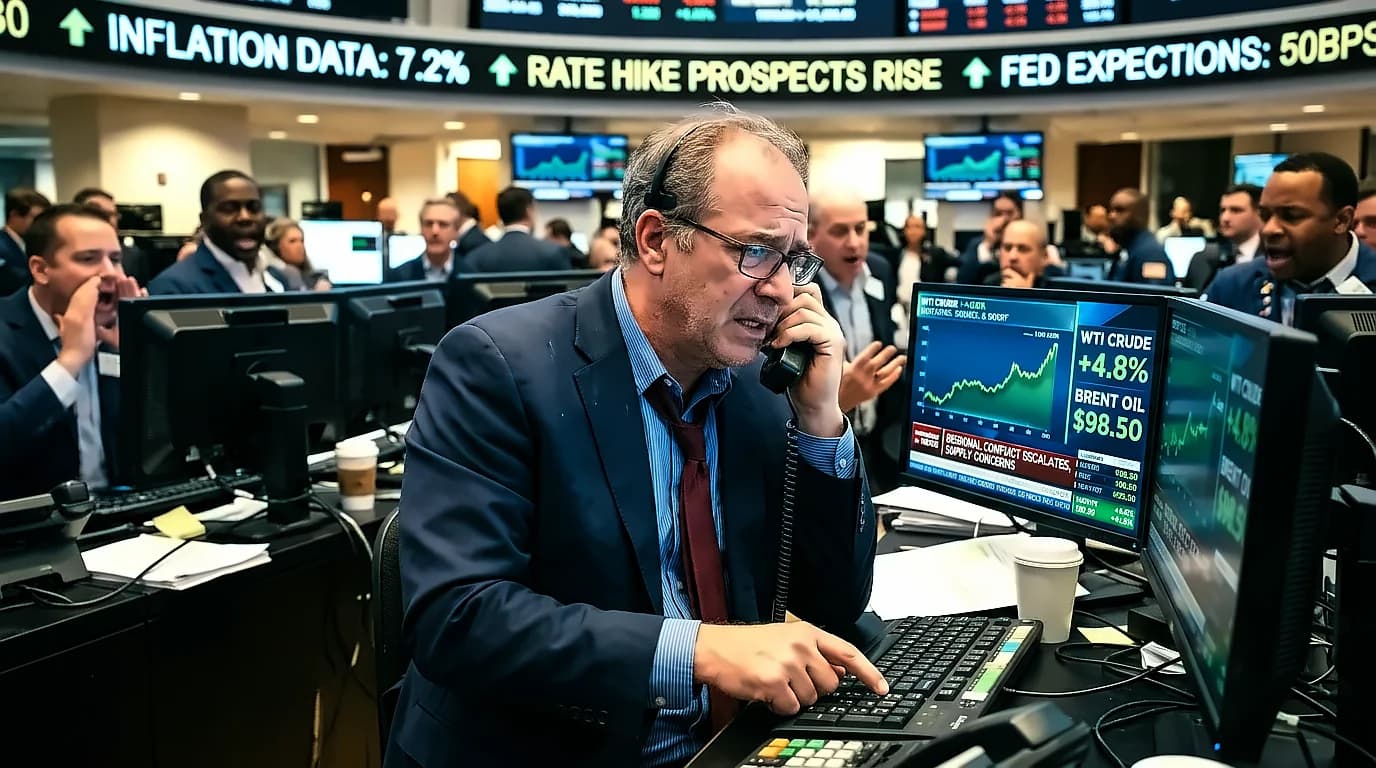
The oil market surge is directly influencing Federal Reserve policy expectations, with Fed funds futures now expecting at least one rate hike for the remainder of the year despite the Federal Reserve maintaining expectations for no change at next week's policy meeting on July 29. According to The Hindu BusinessLine, Fed watchers are expecting a rate decision this week to be contentious, with the recent rise in energy costs clashing with a tamer-than-expected reading on June consumer prices. The policy-sensitive 2-year yield rose to 4.28%, just a few basis points below the peak since the war began at roughly 4.30%. This yield is notably well above the Fed's 3.50%-3.75% target range, clearly signaling market expectations for rate hikes. The jump in oil futures is already influencing rate expectations, with markets pricing in a more hawkish reaction from central banks—either delaying planned rate cuts or reopening the door to additional hikes. Bond markets may start to reflect higher term premiums as investors demand compensation for inflation uncertainty, while equity markets often respond by rotating away from rate-sensitive sectors toward energy and defense names.
The current pause in fighting provides crucial relief for markets, though analysts warn that sustained resolution is needed for gold to break above the current range. As reported by The Hindu BusinessLine, Justin Lin, an analyst at Global X ETFs, said the markets needs a "meaningful resolution between the US and Iran before bidding gold beyond this range of $4,000 to $4,200." He noted that "yields and inflation expectations will remain lofty as long as the conflict sustains, which is the main thing holding back gold right now." The situation presents a strategic dilemma for the US, as finding an off-ramp to ease energy-driven inflation and calm nervous financial markets requires de-escalation, yet accepting anything less than explicit capitulation from Iran risks appearing weak on the international stage. With the US 10-year Treasury yield having surged to 4.628% during the conflict period, the current pause provides a window for markets to reassess risk premiums, though the fundamental drivers of inflation and monetary policy remain closely tied to geopolitical developments in the Middle East.