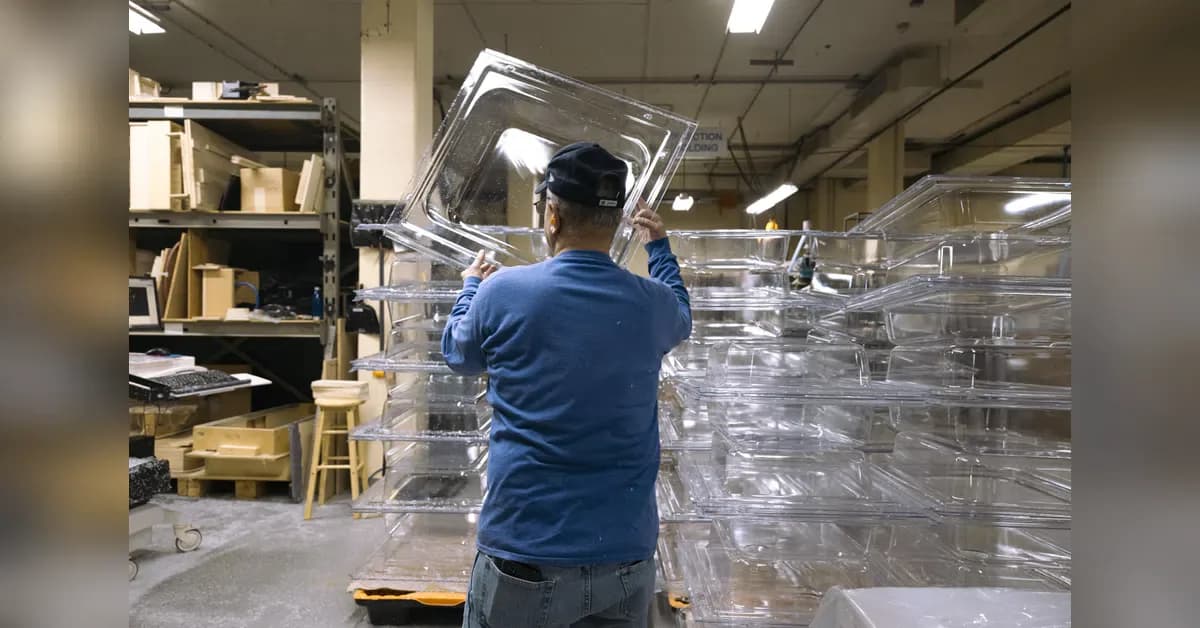
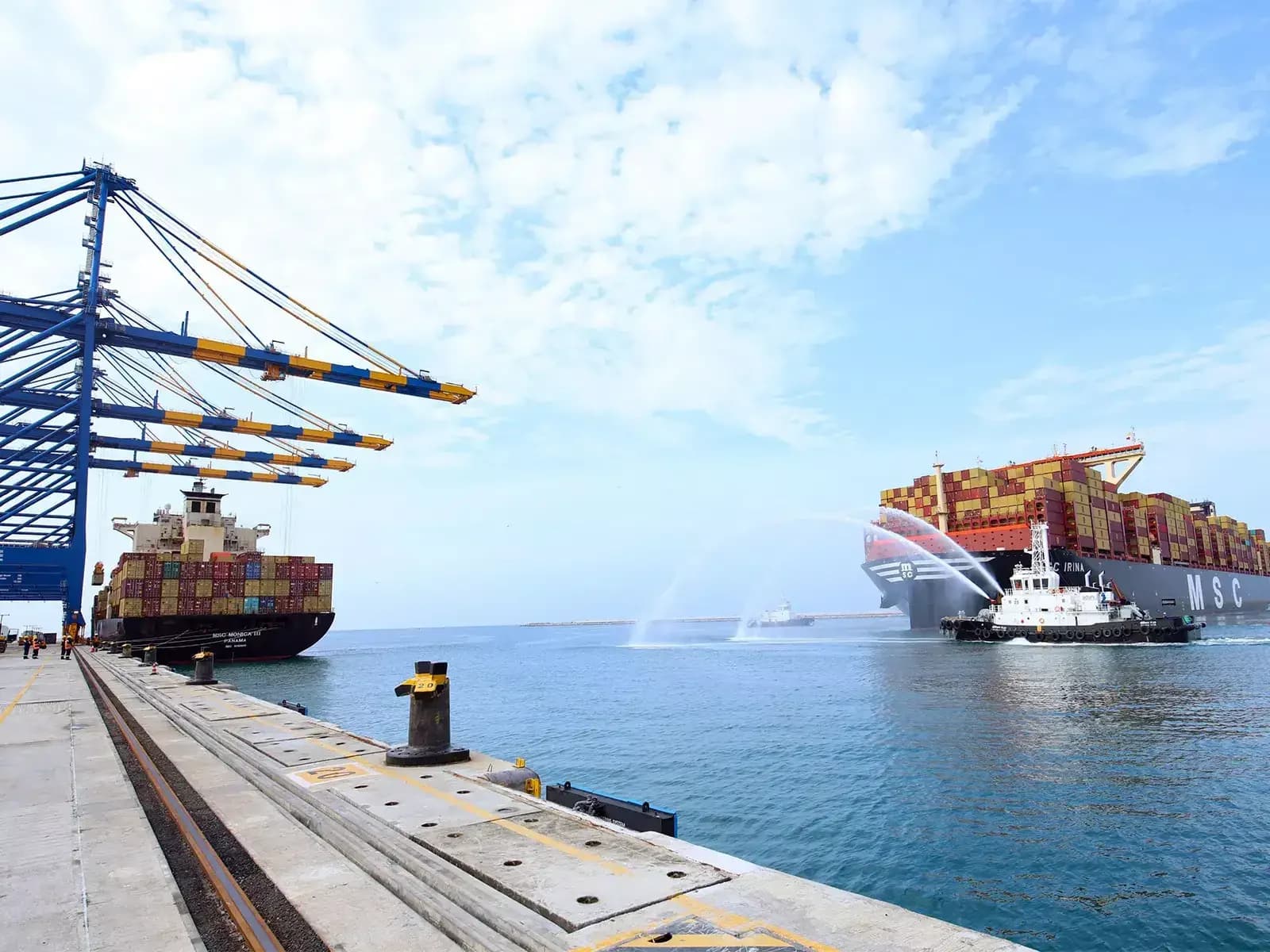
The ongoing Iran conflict is creating significant disruptions to the global electronics supply chain, with circuit board prices surging as much as 40% in April alone, according to Goldman Sachs reports. The disruption centers on an Iranian strike on Saudi Arabia's Jubail petrochemical complex in early April, which halted production of a critical resin used in circuit boards and tightened global supply. Copper foil costs have climbed as much as 30% this year, compounding the pressure on manufacturers. As per AOL, manufacturers are now scrambling to secure materials, with lead times for some chemicals stretching from just three weeks to as long as 15 weeks. The ongoing war has disrupted shipping routes in and out of the Gulf, compounding delays and shortages across the tech industry.
Iran has presented a new 30-day proposal to the United States, representing a significant escalation from their previous 14-point plan, according to Iran's state-linked media as reported by The Economic Times. The proposal calls for issues between the two countries to be resolved within 30 days and aims to end the war rather than just extend the ceasefire. The proposal, a rebuttal to the U.S. nine-point plan, also calls for the U.S. lifting sanctions on Iran, ending the naval blockade, withdrawing forces from the region and ceasing all hostilities, including Israel's operations in Lebanon. Iran sent its reply via a Pakistani intermediary, with Pakistan having hosted previous negotiations between Iran and the United States.
The UK military's United Kingdom Maritime Trade Operations center confirmed on Sunday that a bulk carrier near the Strait of Hormuz reported being attacked by multiple small craft, as reported by The Economic Times. The attack occurred off Sirik, Iran, with all crew members reported safe. The UK military warned vessels to transit with caution, highlighting the ongoing security challenges in the critical shipping lane where about a fifth of the world's trade in oil and natural gas typically passes. Meanwhile, Iran's deputy parliament speaker Ali Nikzad said on Sunday that Iran "will not back down from our position on the Strait of Hormuz, and it will not return to its prewar conditions," while visiting port facilities on Iran's strategic Larak Island.
Aluminum prices gained 1.7% to $3,534 per ton on the London Metal Exchange, according to reports from Bloomberg. The lightweight metal rose as traders saw little prospect of an imminent opening of the Strait of Hormuz that would ease availability of the metal. According to AOL, shoppers won't see price hikes immediately, but they are coming within the next few months. As per IDC semiconductor supply chain analyst Galen Zeng, "For the average consumer shopping at Best Buy or Amazon, the pass-through won't happen overnight, but expect it to materialize within the next few months." Wedbush Securities analyst Dan Ives expects the impact to become more visible later this year, stating "Summer and Fall timeframe could see prices rise," which could coincide with key retail periods including back-to-school shopping and early holiday buying season.
Iran maintains control over the Strait of Hormuz, with Iranian officials asserting they continue to control the strait and that ships not affiliated with the United States or Israel can pass if they pay a toll, as reported by The Economic Times. However, Iranian officials have asserted that they continue to control the strait and that ships not affiliated with the United States or Israel can pass if they pay a toll. The U.S. has warned shipping companies they could face sanctions for paying Iran in any form, including digital assets, to pass safely. Meanwhile, Iran's rial continues to weaken significantly against the dollar, with the currency trading at 1,840,000 rials per dollar in Tehran's Ferdowsi Street on Sunday, according to The Economic Times. The rial was trading at 1.3 million to the dollar in December, which at the time was a record low, and triggered widespread protests over the worsening economy.

According to Greg Shearer, head of base and precious metals research at JPMorgan Chase & Co., as reported by Bloomberg TV, the market is facing a significant supply shortage. Shearer stated that prices are likely to hit $4,000 per ton even if the strait is reopened, given the length of time required for smelters to restart and supplies to come back online. The current situation represents what analysts describe as a 'very large supply hole' in the aluminum market, with roughly 10% of global aluminum output coming from the Middle East region. Meanwhile, Creative Strategies CEO Ben Bajarin noted that "It is not just PCBs – memory, storage and wafer costs are all increasing the bill of materials for devices." Beyond higher prices, consumers may also face limited availability of certain devices, with demand for AI infrastructure already competing with consumer electronics for limited supply of key components.