The Iran war has created a crisis of everything beyond just energy disruptions, with the conflict's ripple effects now impacting consumer goods across the globe. According to The Times of India, condom prices are set to rise 30% as the world's largest manufacturer, Malaysia's Karex Bhd, faces unprecedented supply chain challenges. Karex produces over 5 billion condoms annually, supplying leading brands such as Durex and Trojan, as well as Britain's National Health Service and United Nations aid programmes. The company accounts for roughly one-fifth of global condom production, making it a critical player in global healthcare supply chains.
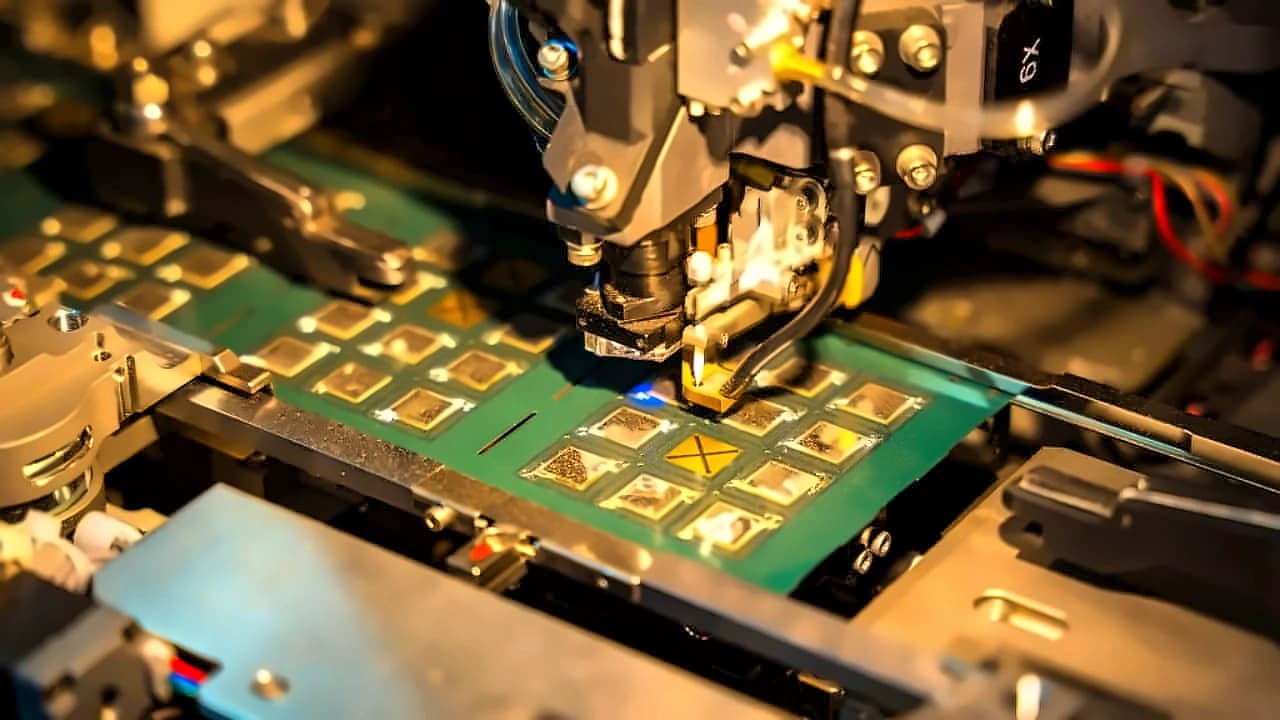
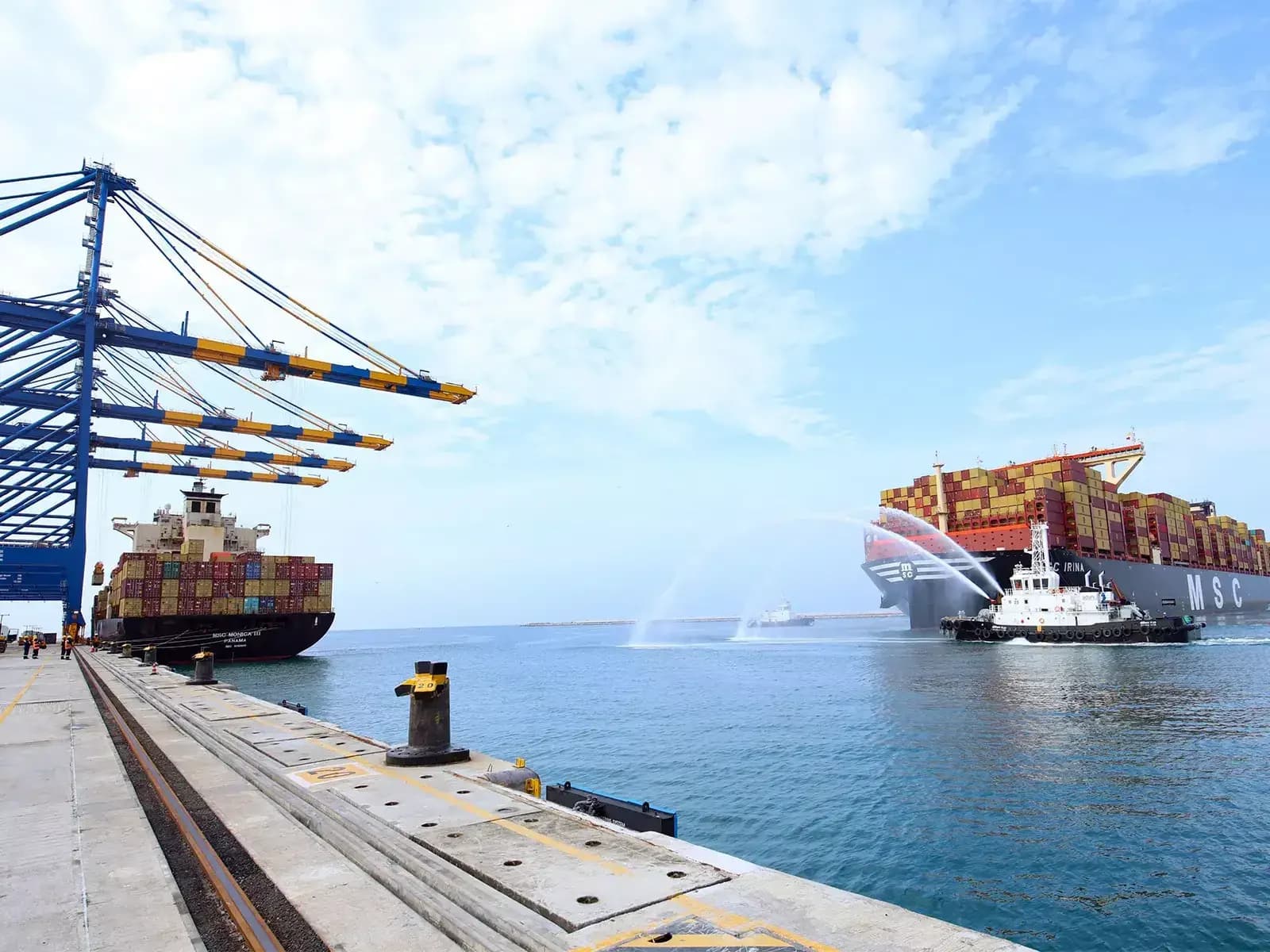
The conflict in the Middle East has disrupted supplies of crucial raw materials and pushed up prices of the printed circuit boards (PCB) used in almost all electronic devices, from smartphones and computers to AI servers, according to industry sources and executives. As reported by Reuters, Iran struck Saudi Arabia's Jubail petrochemical complex in early April, forcing a halt in production of high-purity polyphenylene ether (PPE) resin - a critical base material used to manufacture PCB laminates. SABIC, which accounts for approximately 70% of the world's high-purity PPE supply and operates in the Jubail complex on the Gulf coast, has been unable to resume output, severely tightening the availability of the material worldwide. The war has also severely disrupted shipping routes in and out of the Gulf, with deliveries to Europe and the United States now taking nearly two months - double the usual time.
PCB prices have been climbing since late last year, driven by a growing appetite for AI servers, with demand accelerating sharply since March as manufacturers scramble to secure raw material supplies. According to Goldman Sachs analysts, PCB prices surged as much as 40% from March in April alone. Cloud service providers are willing to accept further increases as they expect demand will outstrip supplies over the coming years, as reported by Reuters. The global PCB industry is projected to increase by 12.5% to reach $95.8 billion in 2026, according to a recent report from Prismark. The condom crisis adds another dimension, with plastic resins in Asia rising as much as 59% to record highs since late February, according to ICIS, a commodities market intelligence platform.
The sharp rise in PCB prices was also driven by a shortage of other key materials, including glass fibre and copper foil, according to industry sources. Copper foil prices have surged as much as 30% so far this year, with the rally gaining momentum in March. Copper accounts for around 60% of total raw material costs in PCB manufacturing, according to Victory Giant Technology, a major Chinese PCB supplier for Nvidia. Multi-layer PCBs can cost around ₹1,394 yuan ($204) per square metre, with higher-end models for AI servers costing around ₹13,475 yuan, according to Victory Giant Technology. Victory Giant recently warned that the ongoing conflict in the Middle East could drive prices even higher for critical materials like resin and copper.
Daeduck Electronics, a South Korean PCB maker whose customers include Samsung Electronics, SK Hynix and AMD, has begun discussions with customers over price increases, a senior executive at the company told Reuters. The executive explained that their focus has shifted from meeting customer demand to managing supplier relations, as waiting times for critical chemical materials like epoxy resin have stretched from three weeks to 15 weeks. In the condom industry, Karex CEO Goh Miah Kiat warned that some raw material prices have increased by 100%, with the company seeing costs rise for nearly everything from synthetic rubber and nitrile to packaging materials and lubricants. The crisis extends beyond consumer goods, with Malaysia's rubber glove maker WRP Asia Pacific announcing it will begin winding down operations from April 15, citing severe disruptions across global energy and petrochemical supply chains.