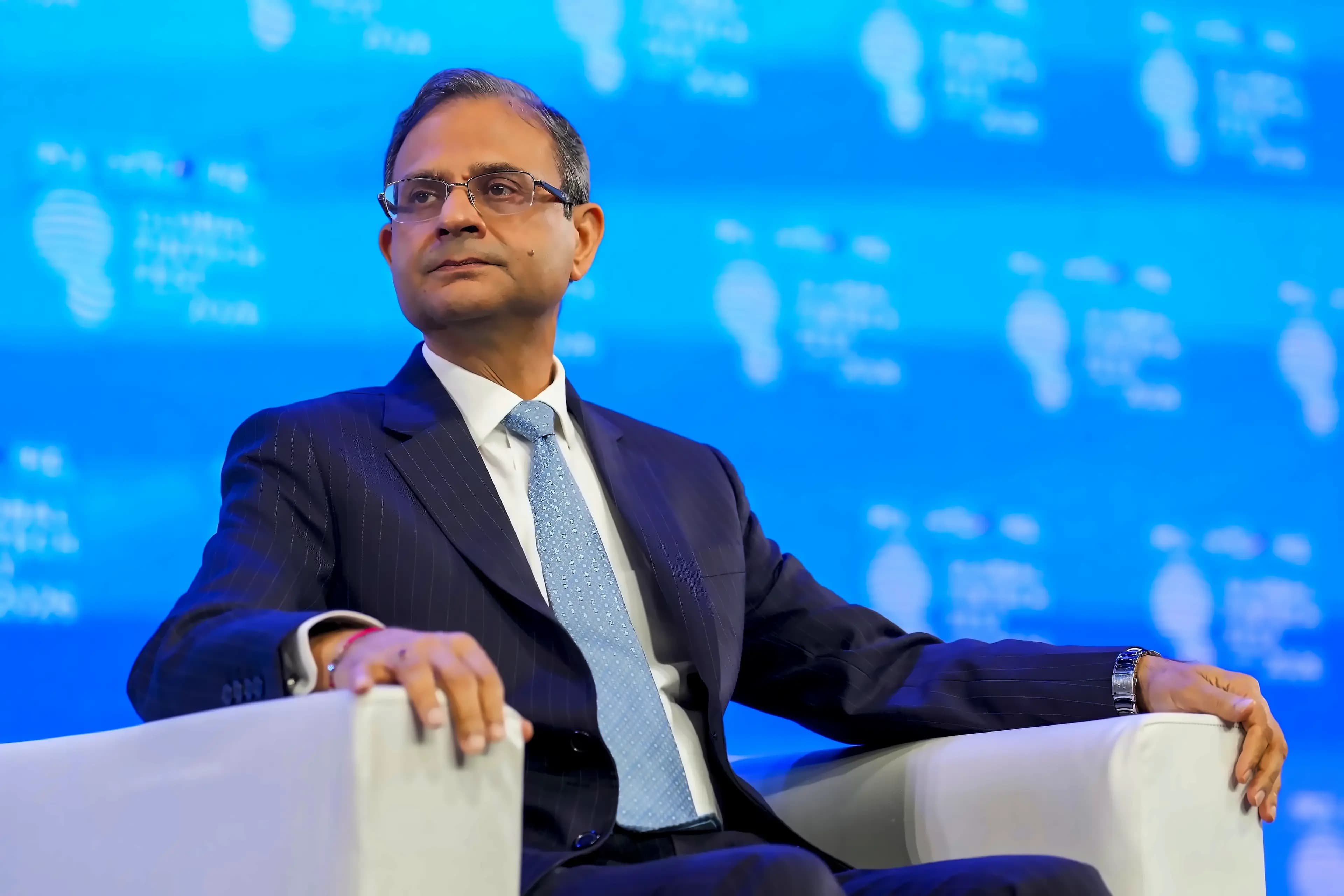
India's inflation-targeting regime remains unchanged with the 4% target and 2%-6% tolerance range maintained for the next five years, as confirmed by RBI Governor Sanjay Malhotra. According to reports from Reuters, the flexible inflation-targeting framework adopted in 2016 has helped reduce average inflation and strengthen macroeconomic stability. The RBI is mandated to keep headline retail inflation at the government-set target under this framework. In March, the government maintained its retail inflation target at 4%, within a comfort band of 2%-6%, following a review. The target will remain effective for five years.
While there is no expectation of raising the target in the foreseeable future, Malhotra indicated that India may have a case to gradually reduce its inflation target over the long term. As reported by Reuters, speaking at the Financial Congress of the Bank of Russia, Malhotra noted that given the lower inflation targets in advanced economies, there may be justification for India to reduce its target over the long term. The Governor emphasized that inflation in India is expected to rise from current levels but remains below the central bank's medium-term target. The RBI is signaling it thinks India can keep pushing for lower, steadier inflation without giving up growth momentum, closer to how many advanced economies run policy.

India's economic indicators show robust performance with retail inflation at 3.93% in May, remaining below the RBI's 4% target, according to Reuters. The country recorded 7.8% year-on-year growth in the January-March quarter. Malhotra expressed confidence that the Indian economy would continue expanding at a strong pace in the coming years, despite expectations of inflation rising from current levels. The government has not yet released retail inflation data for June.
The comments from the RBI Governor come as policymakers continue to focus on balancing economic growth with price stability amid global uncertainties and changing inflation trends. As reported by Reuters, this approach reflects the central bank's commitment to maintaining macroeconomic stability while allowing for gradual adjustments to the inflation target framework over the longer term. When a central bank credibly sticks to a clear target, investors tend to worry less about inflation drifting higher over the medium term, which can reduce the extra yield bondholders demand as compensation for unexpected inflation. This credibility shapes expectations for how the RBI will react when prices heat up again, potentially supporting the rupee by lowering the perceived risk of inflation eroding returns on India-linked assets.