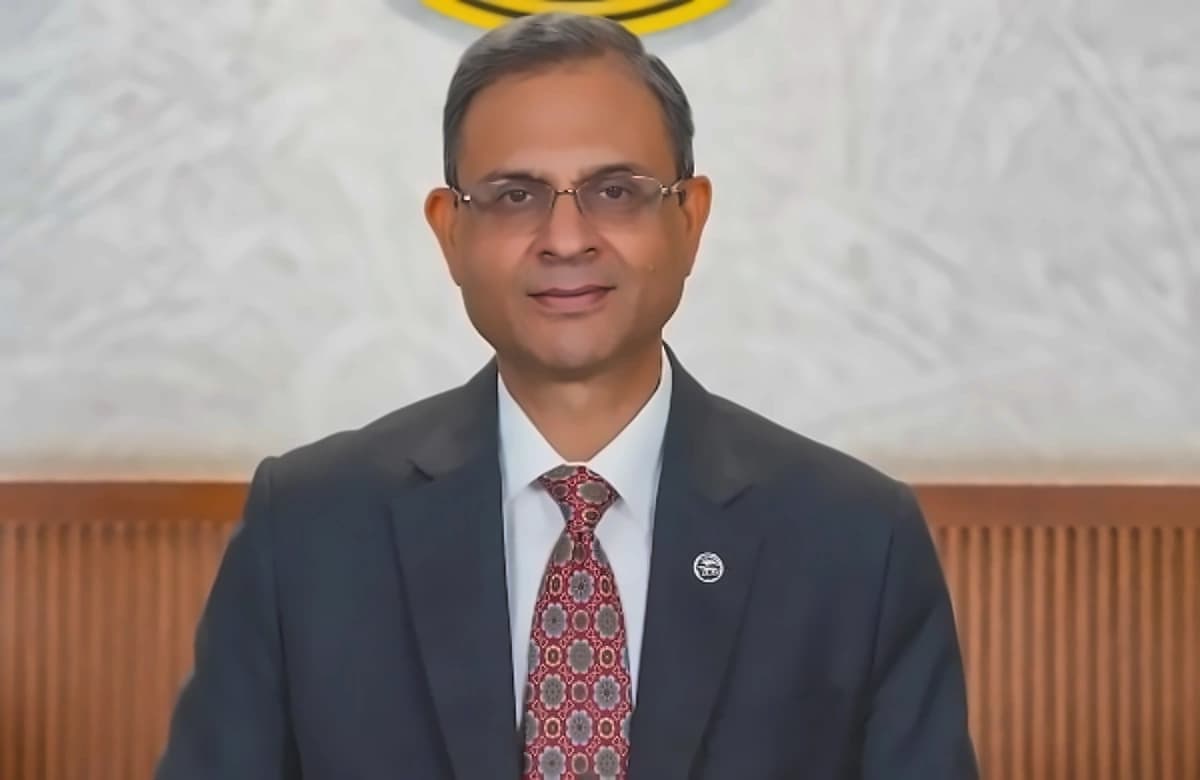
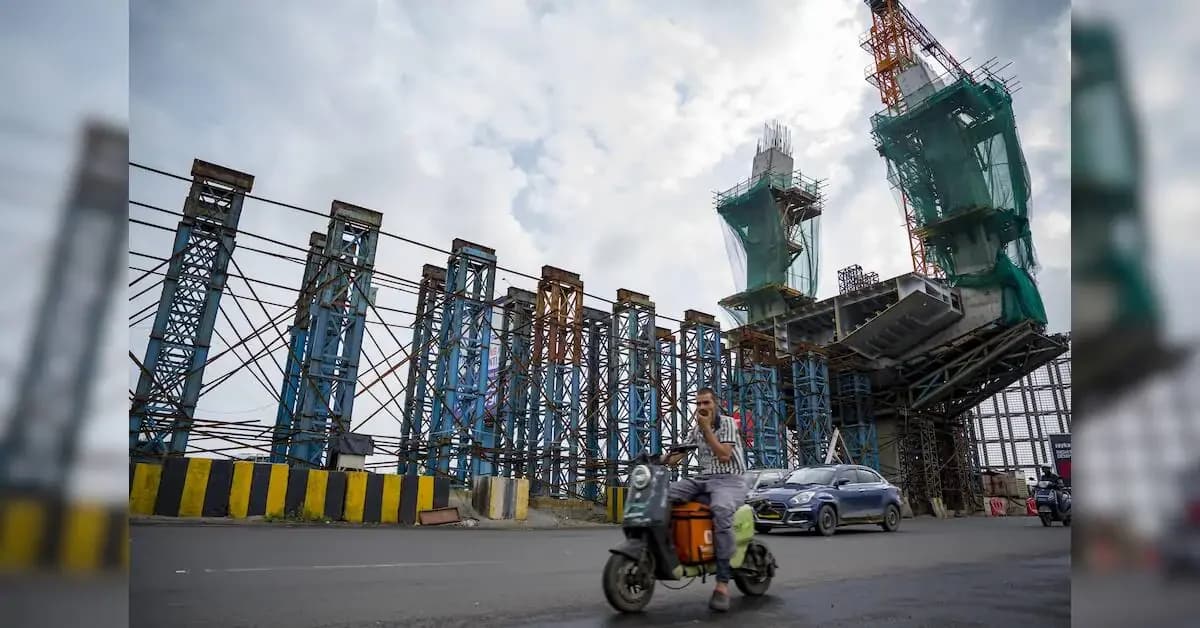
RBI Deputy Governor Poonam Gupta emphasized India's economic resilience during a lecture at the Madras School of Economics in Chennai. According to reports from The Financial Express, she stated that India may grow closer to 7% in the financial year through March, stronger than the central bank's 6.7% forecast. Her upbeat estimate is based on expectation of a robust April-June quarter, with official figures for the period due later this month and economist predictions generally ranging between 6.9% to 8%. Gupta noted that the brisk pace points to the economy's resilience despite shocks, such as a deficient monsoon and elevated energy costs. As per The Financial Express, she specifically highlighted that GDP is likely to grow faster than the RBI's projected 6.7% this fiscal year, despite multiple challenges including oil and tariff crises, heightened global uncertainty. The latest RBI update confirms that the Indian economy continued to display strength notwithstanding global headwinds, with domestic demand remaining buoyant as reflected by vehicle and tractor sales.
Looking ahead, Gupta expressed confidence that 7.5% growth is achievable and India should aspire to exceed this target. As reported by The Financial Express, she stated that "7.5 per cent is a given and we should aspire to do better than that" going forward. The Deputy Governor's assessment is based on India's strong policy frameworks, fiscal prudence, resilient banking system, healthy external buffers, and diversified economy. Her recent hawkish stance is reflected in the RBI's August policy meeting minutes, where she raised the possibility of a rate hike later this year. The robust growth has prompted Prime Minister Narendra Modi to reiterate his ambition to make India a developed nation by 2047, which may require a sustained 8% plus growth rate for at least two decades, according to economists.
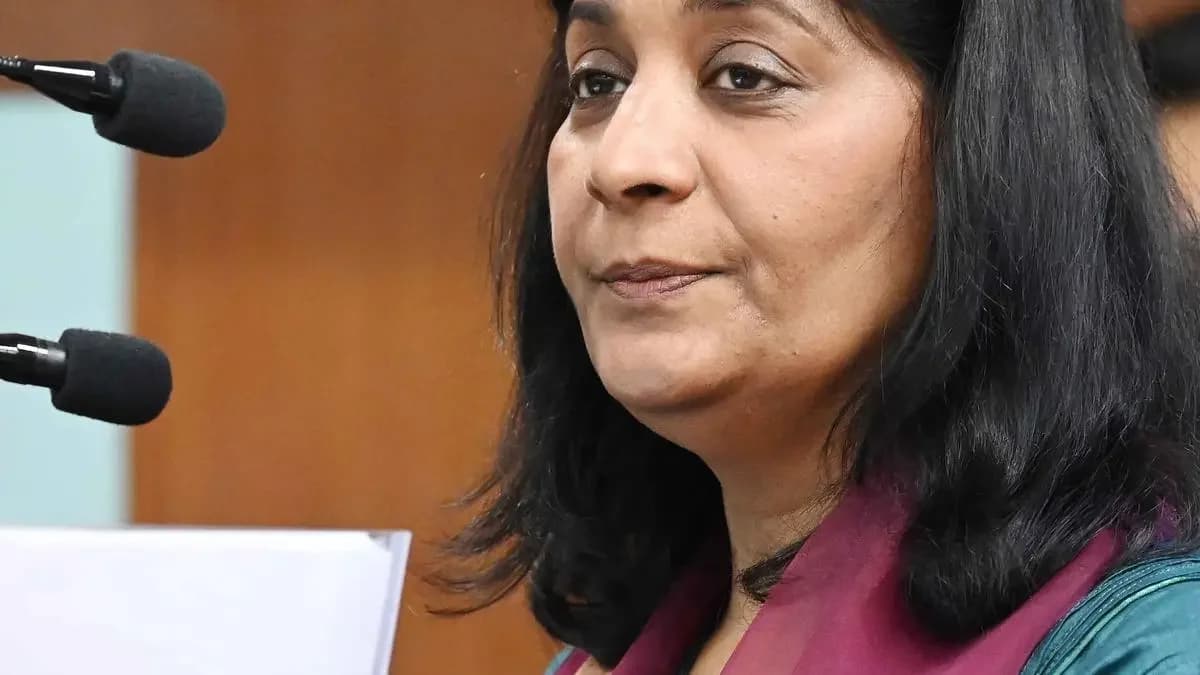
On the current account situation, Gupta made a personal assessment indicating that India could potentially become a current-account-neutral economy within 5-6 years, barring major global shocks. According to The Financial Express, she noted that the current account deficit minus oil price shocks will continue to decline further. Regarding foreign direct investment, she highlighted that India received ₹95 billion in FDI last year and projected that inflows could reach ₹150 billion annually in coming years if current trends continue. The latest RBI update shows that merchandise exports grew at a four-month high in July 2026, while both exports and imports grew strongly, though the merchandise trade deficit widened reflecting a widening deficit in electronic goods. Economists expect the nation's balance of payments to turn positive this financial year after previous forecasts of a deficit, largely driven by expectations of foreign inflows of as much as $80 billion following measures to support a depreciating currency.
Gupta highlighted India's superior economic performance compared to global peers. As reported by The Financial Express, she noted that India's growth has averaged 4.8 percentage points higher than advanced economies and 2.5 percentage points higher than emerging-market economies in recent years. Services remain the strongest-performing sector, while agriculture and industry have become steadier. The latest RBI data confirms that industrial production strengthened sharply in June, recording its strongest growth in nearly two years, supported by a broad-based acceleration in manufacturing. The services sector also exhibited resilience, with petroleum product consumption growth returning to positive territory after three straight months of contraction. This performance gap is particularly significant given the current global economic challenges and India's ability to maintain growth momentum.
On inflation, Gupta noted that India's inflation rate has been close to the average of advanced economies and significantly less than the average inflation rate experienced in emerging market and developing economies. According to The Financial Express, she emphasized that the financial sector is not just resilient but becoming much more efficient. The external sector is showing significant resilience under global challenges, while Gupta stressed that every state in India is today growing faster than before, citing diversification as a key driver for economic stability. This broad-based growth across states, combined with controlled inflation, supports the RBI's optimistic growth projections despite current global headwinds. The pick-up in monsoon activity during July supported kharif sowing, taking it closer to the previous years level, with the government announcing an Open Market Sales Scheme for the current financial year to augment supply.