HDFC Bank is undergoing a comprehensive reset under the leadership of former bureaucrat Rajiv Kumar, who took over as chairman in July 2026. Kumar brings significant banking-sector experience, having spent close to three years as Secretary, Department of Financial Services. The reset began taking shape in July when Kumar took over, with the bank dealing with the fallout from Atanu Chakraborty's exit as chairman and questions around leadership continuity. The bank had been dealing with the Dubai bond-mis-selling matter and the MSRDC deposit episode, which resulted in disciplinary action against senior executives, including MD & CEO Sashidhar Jagdishan and CFO Srinivasan Vaidyanathan. The uncertainty was further heightened by the prolonged process over Jagdishan's reappointment, but within two weeks of his August announcement not to seek another term, the Rajiv Kumar-led board put forward two names to the RBI as top contenders.
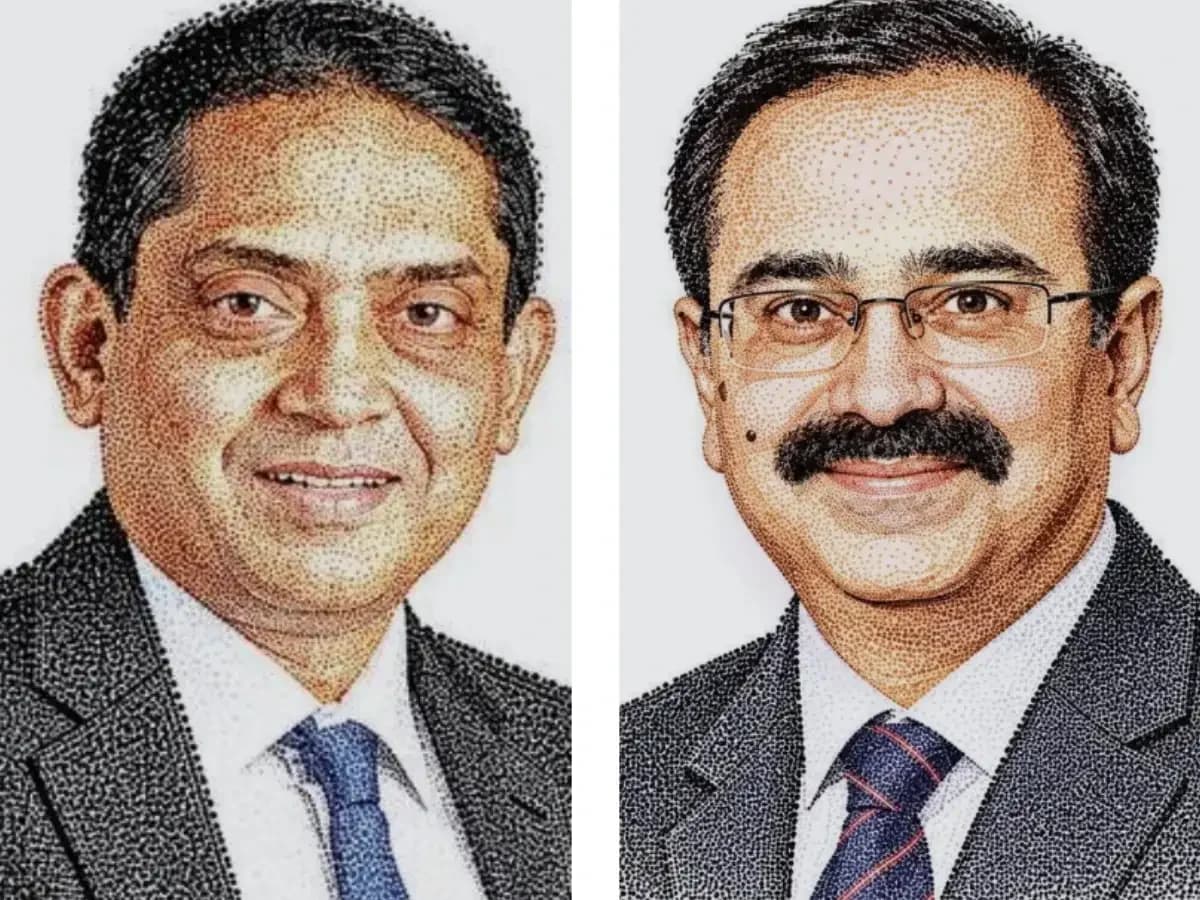
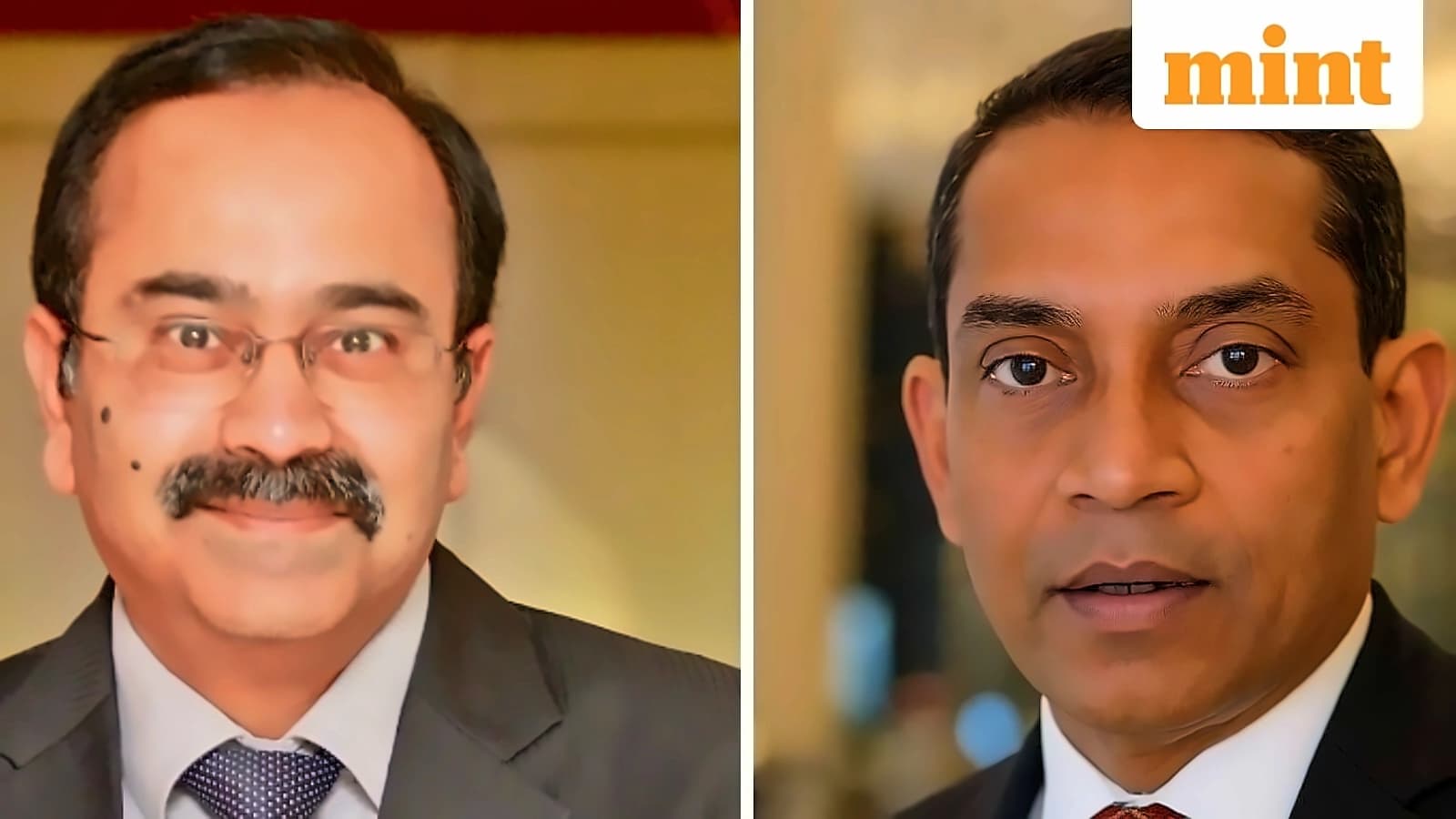
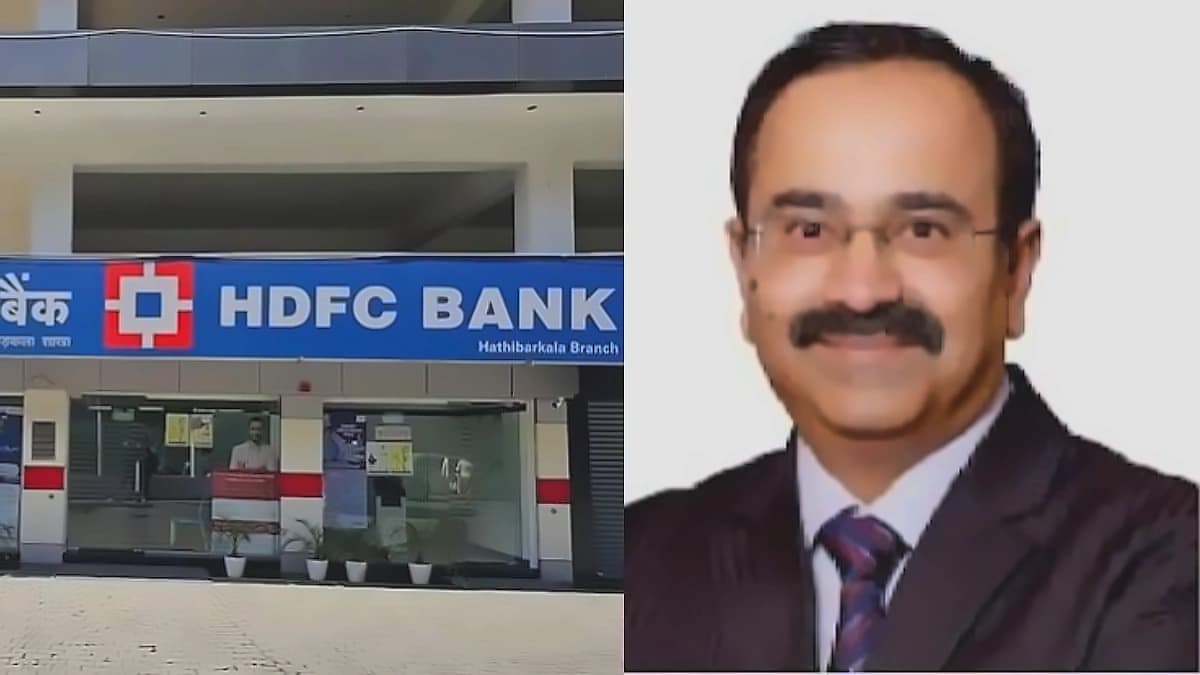
HDFC Bank has officially named Anup Bagchi as its next managing director and chief executive officer, following approval from the Reserve Bank of India on October 1. According to the bank's stock exchange filing, Bagchi will take charge on October 27, 2026, after the term of current MD and CEO Sashidhar Jagdishan ends on October 26. Jagdishan had decided not to seek reappointment at India's largest private lender. Bagchi brings more than three decades of experience across retail and wholesale banking, digital financial services, capital markets, wealth management and insurance, having held senior roles at ICICI Bank, ICICI Securities and ICICI Prudential Life. The RBI approved Bagchi's appointment and remuneration under Section 35B of the Banking Regulation Act, 1949. Bagchi is the first outsider to take the top job at HDFC Bank, making the appointment bigger than a routine CEO succession and signaling the board's intent to move the bank towards stronger institutional processes.
Under Bagchi's leadership, HDFC Bank is set to embark on a comprehensive three-pronged strategy that includes rebuilding brand and trust, optimizing its balance sheet and future readiness, and focusing on technology and digitization improvements. According to sources with knowledge of the matter, the bank will emphasize improving customer service and grooming future leaders with a strong execution team. Calling the appointment of Bagchi, a non-HDFC Group executive as the new MD & CEO "swift, decisive, and courageous," sources said that even if there are potential exits lined up after this appointment, HDFC Bank has a "deep bench strength" which will ensure continuity in operations. The lender intends to focus on "all hands on deck" to drive the changes and to bring about agility and alignment across teams, as HDFC Bank is "systemically important for India," and therefore, it is imperative to ensure that it continues to remain on the high performance path. The reset has already resulted in changes in Compliance and HR leadership, with the bank also creating an avenue for appointing a new Executive Director, and concerns around groupism and gaps in succession planning have been addressed.
The bank has made significant progress in FCNR-B deposits, mobilising $11–12 billion within two months, equivalent to about 8%–9% market share, according to Jefferies. These deposits account for around 3% of total deposits and 8% of LCR non-retail deposits. The immediate opportunity for Bagchi will be to strengthen retail deposit mobilisation and reduce dependence on relatively expensive sources of funding. HDFC Bank's CASA ratio stood at 32.3% as of June 2026, according to Motilal Oswal. A revival in deposits would also give the bank greater flexibility to accelerate credit growth, with the bank's credit-deposit ratio having declined to around 95% from its peak of 110%. Motilal Oswal expects loan growth to accelerate with a 14% compound annual growth rate between FY26 and FY28, while Emkay expects loan growth to accelerate to 16% in FY27 and 18% in FY28.
HDFC Bank's net interest margin was around 3.26% according to Motilal Oswal, with the brokerage expecting margins to recover as borrowings decline and the bank benefits from a potential change in the interest-rate cycle. Nuvama estimates margins could rise from 3.3% in FY26 to 3.4% in FY27 and 3.5% in FY28. The merger was expected to create significant cross-selling opportunities across mortgages, banking, insurance, wealth management and other financial products, but those benefits have not yet fully appeared in the earnings profile. Jefferies said fee growth in the past two quarters was only 8% and 11% year-on-year, held back by weaker credit card fees, third-party product income and retail liability fees. Bancassurance fees accounted for about 8% of FY27 pre-tax profits on a normalised basis, making the segment an important earnings variable. Bagchi's experience across banking, insurance, capital markets and wealth management could help HDFC Bank extract greater value from its enlarged customer base.
HDFC Bank shares traded largely flat on Monday at around ₹721, compared with their NSE peak of ₹1,020.50 on October 23, 2025, with the stock languishing 29% below its all-time high. The stock has struggled after the reverse merger with parent HDFC Ltd, a slowdown in loan growth, pressure on deposits and concerns over leadership stability. Motilal Oswal expects earnings growth to recover to 13% in FY28, compared with an average of about 9% between FY24 and FY27. Emkay expects loan growth to accelerate to 16% in FY27 and 18% in FY28, while forecasting a gradual recovery in margins and profitability. The optimism is based on a combination of factors: removal of the leadership overhang, stronger deposit growth, improving margins, a recovery in loan growth and better execution of merger synergies. Brokerages remain positive with Jefferies having a target of ₹880, Motilal Oswal ₹925, Nuvama ₹950 and Emkay ₹1,225, though the market may be willing to give HDFC Bank's new CEO the benefit of the doubt in the near term, but a sustained rerating will require visible evidence that deposits are growing faster, margins are recovering and the merger is finally translating into stronger returns.