Consumer demand appears to be losing momentum, with loans for consumer durables and credit card outstandings growing just 2.4% and 3.6% year-on-year respectively in August 2026, according to The Times of India and The Economic Times. Credit card outstandings rose to about ₹3 lakh crore in August but added only ₹4,740 crore during the first five months of FY27. Consumer durable loans stood at ₹23,295 crore, adding just ₹1,333 crore during the period. This represents a significant deceleration from previous growth rates, with both categories now growing at rates far below the overall bank credit growth of 19.1%.
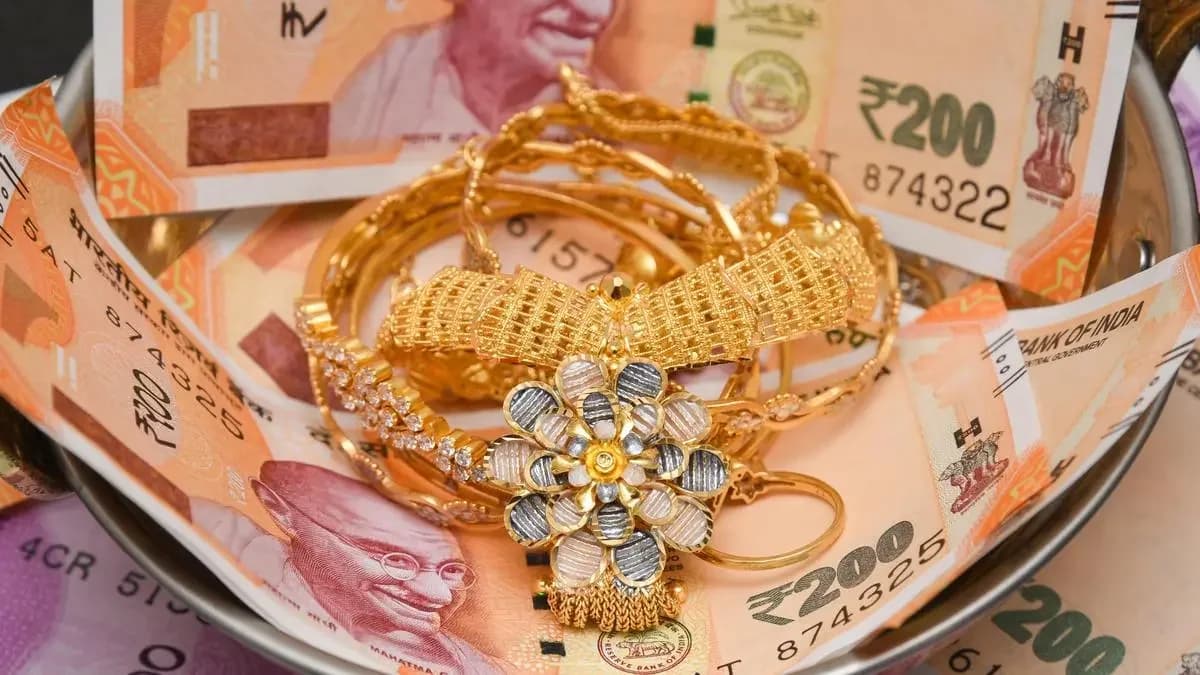
India's booming gold loan market is increasingly being viewed as a financial inclusion story rather than just secured lending, as reported by The Hindu BusinessLine. Gold loans represent a way for households to raise cash against an asset without liquidating it, providing access to formal credit for those who might not otherwise have such opportunities. Gold holds a special place in Indian households, being pervasive across income levels and geographies, making it a viable source of collateral. Unlike unsecured borrowing, gold as collateral is a secured debt product that can serve both individuals and businesses seeking credit market access.
Technology plays a crucial role in scaling gold loan expansion, particularly in emerging cities and underserved markets where borrowers may have limited access to formal products despite valuable assets. Digital onboarding, centralised processes, and data-led underwriting enable lenders to serve customers more efficiently across wider geographic footprints. Co-lending models can catalyse this ecosystem by combining multiple lenders' outreach and differentiated expertise, building on combined capital and operational capabilities to scale formal credit access. However, financial inclusion should focus on responsible lending, transparent communication, and appropriate collateral assessment rather than just loan volumes.
Banks have seen strong demand for secured borrowing, with gold loans adding ₹98,096 crore in the first five months of FY27, almost matching the ₹98,858 crore added through home loans, as reported by The Times of India and The Economic Times. Gold loans were a major source of retail credit growth, with outstanding loans against gold jewellery rising 83.2% year-on-year to ₹5.6 lakh crore in August from about ₹3 lakh crore a year earlier. Vehicle loans remained stronger, growing 19.7% year-on-year to ₹7.8 lakh crore and adding ₹37,027 crore between April and August. Advances against fixed deposits also rose 43.2% year-on-year to ₹2 lakh crore, adding ₹35,166 crore during the period.
According to RBI sectoral credit data, bank credit rose by about ₹10.3 lakh crore, or 4.8%, between April and August 2026, taking outstanding credit to ₹223.9 lakh crore, as reported by The Times of India and The Economic Times. Personal loans added ₹3.5 lakh crore, representing 33.9% of incremental credit, while total retail credit stood at ₹72.9 lakh crore, up 16.9% year-on-year. Services added ₹2.4 lakh crore, or 23% of fresh credit, and bank lending to NBFCs rose 37.5% to ₹21.6 lakh crore. The composition of incremental lending during the first five months of FY27 shows weaker growth in discretionary consumer credit and stronger demand for secured retail loans, corporate credit and lending to NBFCs.