Gold loans differ significantly from unsecured personal loans as they require gold as collateral rather than extensive documentation. According to reports from Zee News, these loans are easier to acquire since the commodity serves as security in case of borrower default. However, eligibility requirements vary across banks, making it crucial for borrowers to review each institution's specific documentation and approval criteria before applying. As per WaqtFintech, gold loans are available to eligible individuals who own gold jewellery that meets the lending partner's valuation and purity requirements. The loan is secured against pledged gold, with lenders evaluating both the applicant and the pledged jewellery before making a lending decision.
Interest rates differ significantly across banks, making rate comparison essential before application. As reported by Zee News, banks use different valuation methods and reference rates for gold assessment. According to WaqtFintech, the lending partner generally evaluates applicable loan-to-value (LTV) guidelines, internal lending policies & regulatory norms to determine the final sanctioned amount. Borrowers must understand how their gold is valued and what reference rates banks consider when determining loan amounts and interest charges. The RBI Lending Against Gold and Silver Collateral Directions, 2025 implemented from April 2026, establish maximum LTV percentages of 85% for loans up to ₹2.5 lakh, 80% for loans between ₹2.5-5 lakh, and 75% for amounts above ₹5 lakh.
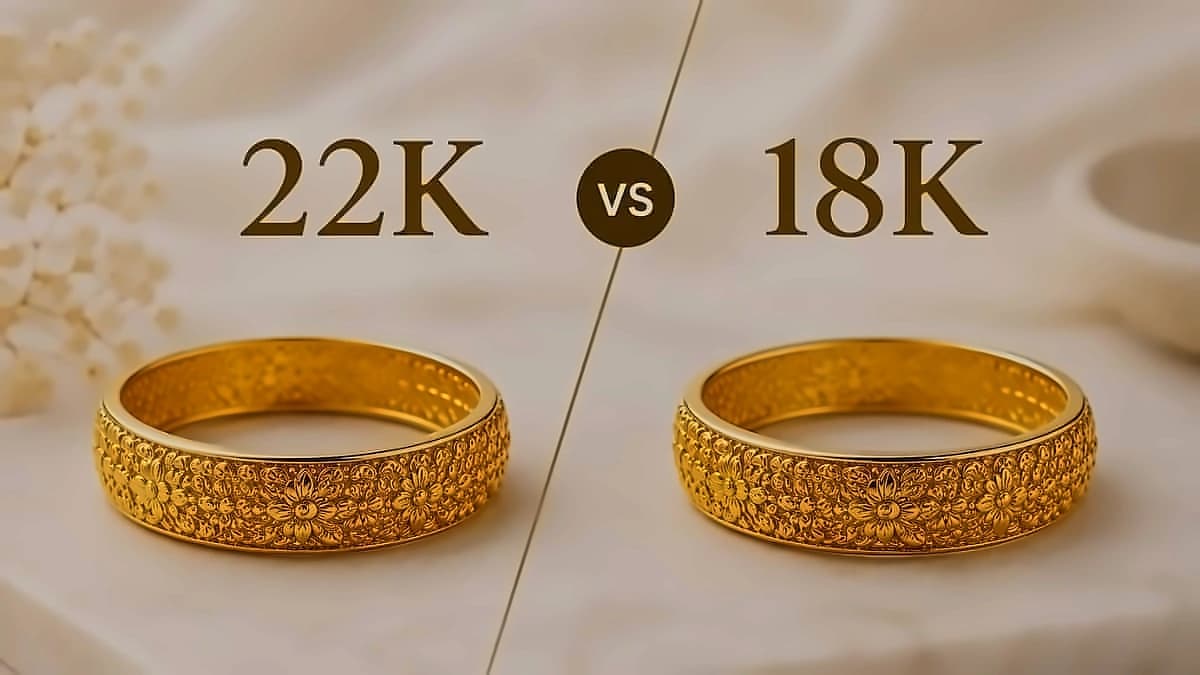
The Reserve Bank of India (RBI) has established maximum LTV percentages for different loan amounts: 85% for loans up to ₹2.5 lakh, 80% for loans between ₹2.5-5 lakh, and 75% for amounts above ₹5 lakh. According to WaqtFintech, loans are approved up to 75% of the appraised gold value based on daily market rates. Gold loans offer flexible tenure options with longer periods resulting in smaller installments but higher total interest costs. Shorter tenures reduce interest burden but increase monthly payments. A 30 gram pledge produces a loan in the ₹2.8 lakh to ₹3.8 lakh range, with 18 karat gold supporting approximately ₹2.83 lakh against ₹3.46 lakh for 22 karat on the same weight, roughly 18% less due to lower purity.
Borrowers must carefully consider repayment capacity when determining loan amounts, ensuring practical repayment is feasible. As reported by Zee News, repayment options should align with income structure, with available choices including EMIs, bullet repayments, and other methods. According to WaqtFintech, lenders offer highly flexible interest repayments, including monthly interest pay, bullet repayment (principal + interest at the end), or EMI options. Three common repayment structures are available: EMI (fixed monthly principal plus interest), bullet (interest paid periodically and principal at the end, capped at 12 months for consumption loans), and overdraft/flexi (draw and repay against the limit with interest on the drawn amount only), each suited to different borrower needs and income patterns.

While gold loans provide efficient access to funds during financial need, they are not free from risks. According to Zee News, borrowers should thoroughly review procedures, policies, interest rates, and terms across different banks before applying. As per WaqtFintech, choosing the right platform is just as important as choosing the right loan, with borrowers needing clear information, honest guidance, and a transparent borrowing experience. Understanding the complete loan structure and comparing multiple options is essential for making informed decisions about gold loan applications. The RBI Directions require release within seven working days of borrower settling all dues, with compensation of ₹5,000 for each day of delay beyond that, ensuring borrower protection throughout the loan process.