State-run and mid-sized lenders are deploying their own QR-payment infrastructure to win current-account balances, cash-management mandates and lending opportunities from small businesses. According to bank executives and industry analysts, lenders seek to capture these opportunities that have traditionally flowed through payment platforms such as PhonePe, Paytm and Google Pay. The push comes as banks face intense competition for deposits and look for new ways to build low-cost current and savings account balances.
Overall deposit growth stood at 11.5% in FY26, compared with 10.6% in the previous year, but lower than the five-year high of 13% in FY24, while growth in current accounts eased to 9.7% from 9.8%, according to Reserve Bank of India data. Savings account growth also moderated to 28.7% from 29.1% in FY25, and a high of 34.6% in FY22. By owning the QR infrastructure used by merchants to accept UPI payments, banks gain direct access to transaction flows and the deposits that accompany them.
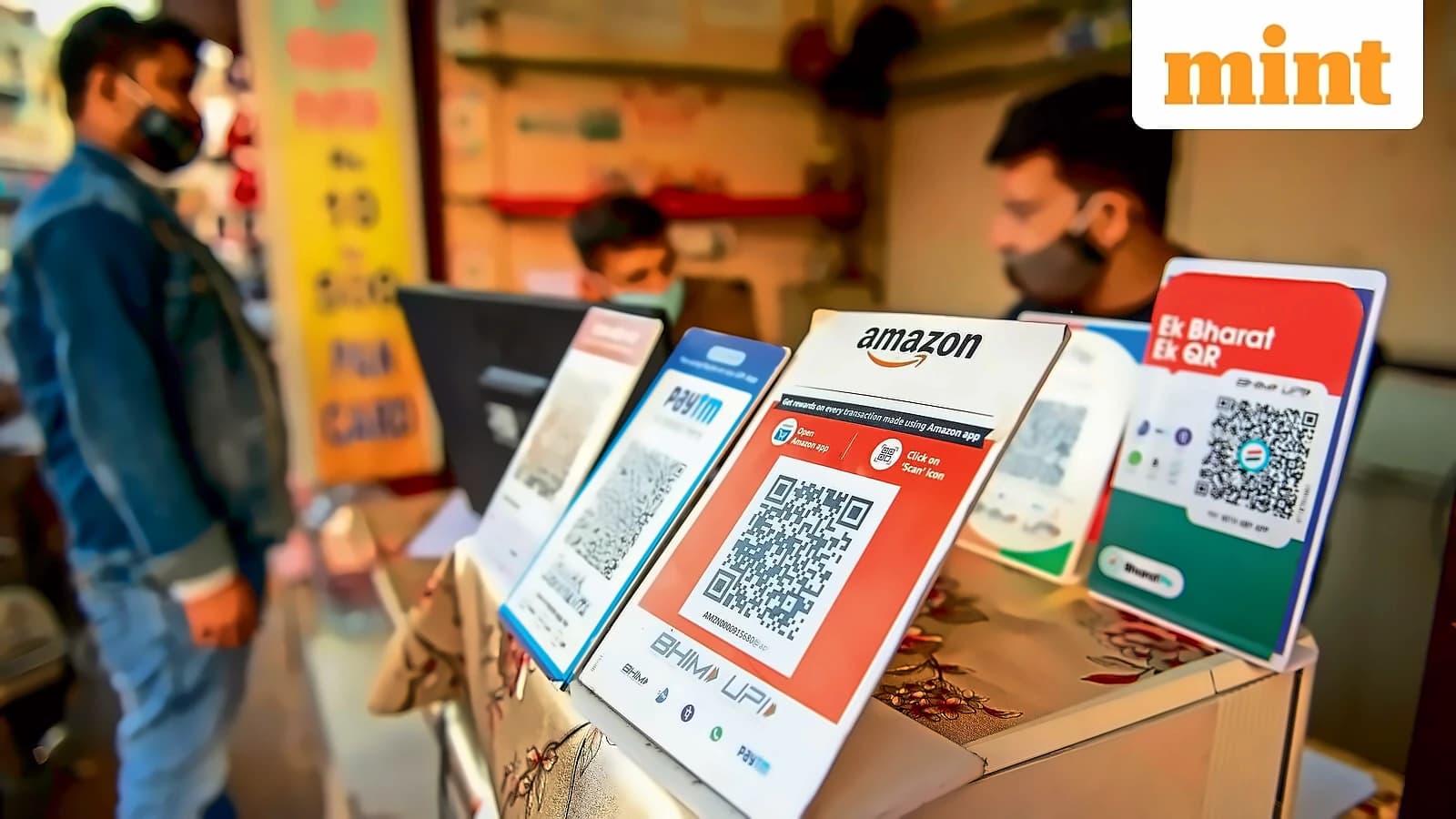
Traditionally, much of the QR infrastructure has been controlled by third-party application providers such as PhonePe, Paytm and Google Pay. Some banks, including YES Bank and RBL Bank, have long been active in the segment, while larger lenders such as HDFC Bank and ICICI Bank operate dedicated merchant platforms—SmartHub Vyapar and InstaBIZ, respectively. Now, lenders including Punjab National Bank, Indian Bank, Karnataka Bank, IDBI Bank, IDFC First Bank and AU Small Finance Bank are expanding their own QR deployments to reduce reliance on intermediaries and gain direct access to merchant deposits.

According to Punjab National Bank managing director Ashok Chandra, the bank's focus is fully on current account mobilization with PoS, QR code, supply chain and cash management verticals. The bank opened 384,000 such accounts in FY26 and plans to increase that to around 1 million in the current financial year, with the average balance in QR-related accounts about ₹200,000. Indian Bank has been focusing on escrow accounts, trust and retention accounts that generate float balances, targeting retail shops, hospitals, educational institutions and temples.
UPI processed 24,162 crore transactions worth ₹314 trillion in FY26, underscoring the scale of the payments ecosystem banks are targeting. According to BCG India's Yashraj Erande, profitability depends on a combination of lending, merchant penetration and the time required to recover the cost of point-of-sale infrastructure. The challenge lies in convincing merchants to switch, as payment platforms also ensure small-ticket loans and other services that banks must match. Industry executives note that merchants already face a cluttered payments landscape, with multiple QR codes competing for space at checkout counters, requiring banks to offer credit and value-added services to gain market share.