Mid-sized private-sector banks and small finance banks are actively partnering with fintech companies to capture merchant payment relationships traditionally held by larger acquiring banks. According to reports from Mint, banks including Ujjivan Small Finance Bank, Jana Small Finance Bank, CSB Bank and Karnataka Bank have approached fintechs such as Pine Labs, Cashfree Payments and Phi Commerce to build payment service capabilities. This strategic move allows smaller banks to retain merchant relationships and earn from transaction flows while avoiding the heavy investment required for building comprehensive payment infrastructure.
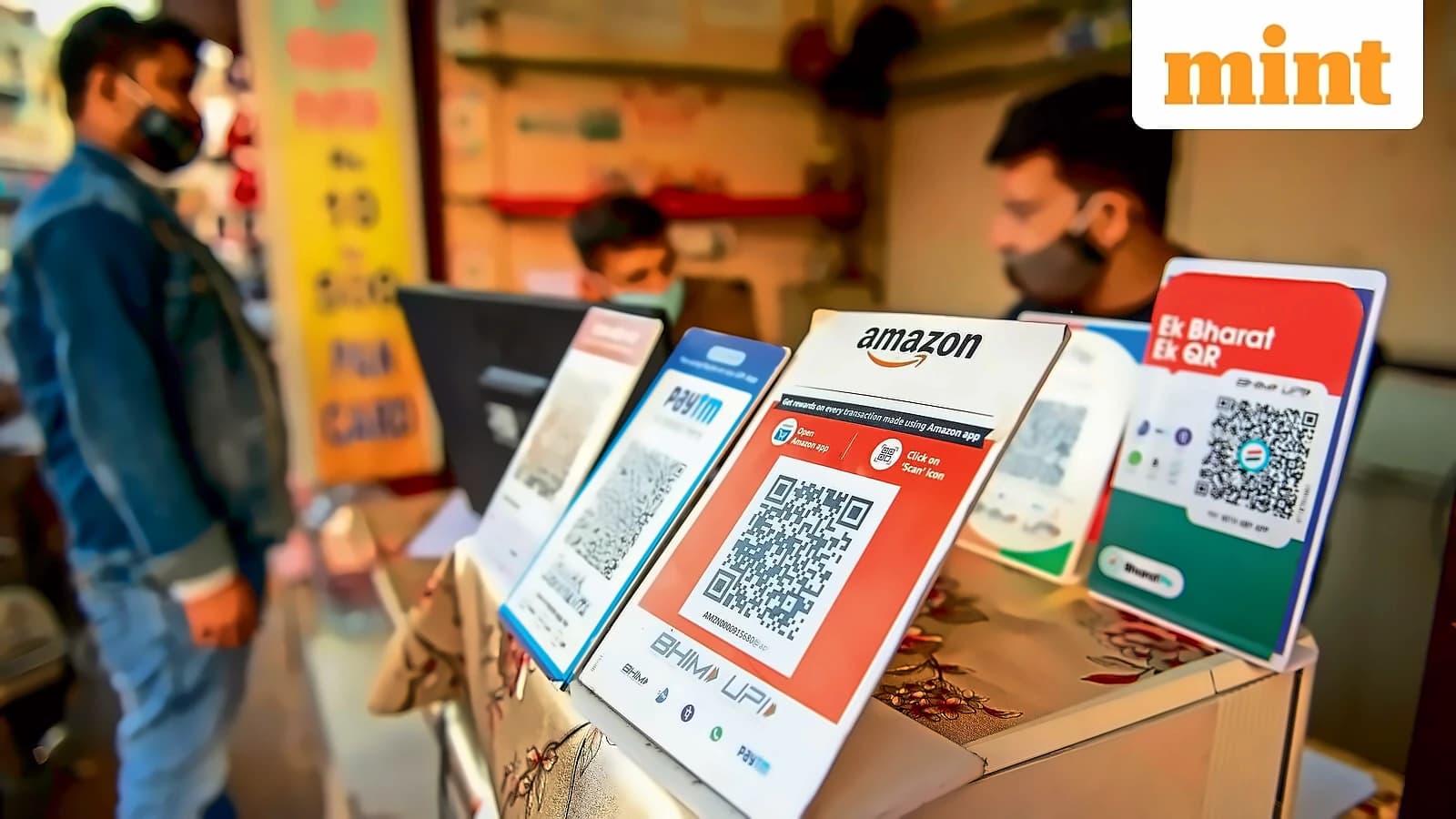
The opportunity for merchant acquiring is substantial, with UPI processing ₹24,162 crore transactions worth ₹314.23 trillion in fiscal year 2026 (FY26). As reported by Mint, India had 11.53 million point-of-sale terminals and 785.4 million Bharat QR and UPI QR codes as of May 2026. Kush Mehra, president and chief business officer at Pine Labs, noted that smaller banks have deep relationships with SME customers but often lack the technology infrastructure to offer payment services across offline and online channels. Under white-label arrangements, fintech companies provide technology, merchant onboarding, and payment processing while banks offer services under their own brand.
The white-label model offers significant economic advantages for smaller banks. According to Rajesh Londhe, co-founder of Phi Commerce, banks can earn a net take rate of around 5 basis points from white-label payment services, rising to about 7 basis points for SMEs and MSMEs. A bank serving 1,000 merchants processing ₹100 crore each annually would handle ₹1 trillion in payment volume, generating approximately ₹5 crore in payment revenue at a 5-basis-point net take rate. Value-added services such as reconciliation, payouts, and analytics could add another couple of basis points, roughly ₹2 crore. The bigger prize remains low-cost current account and savings account (CASA) deposits rather than payment fees alone.
The white-label approach provides banks with greater control over merchant relationships and transaction data. As reported by Mint, under conventional referral arrangements, smaller banks earn no direct income from payments because payment gateways or acquiring partners set merchant pricing and capture most transaction fees. The acquiring partner maintains closer visibility into merchant transaction activity, creating risks that smaller lenders retain current accounts but lose wider relationships to rivals. Pine Labs reported that bank-partnership distribution models account for 30-35% of its annualized revenue, with some banks adding 3,000-5,000 merchant touchpoints monthly. Payment data enables banks to assess cash flows and identify opportunities for working-capital loans, overdrafts, and corporate cards.