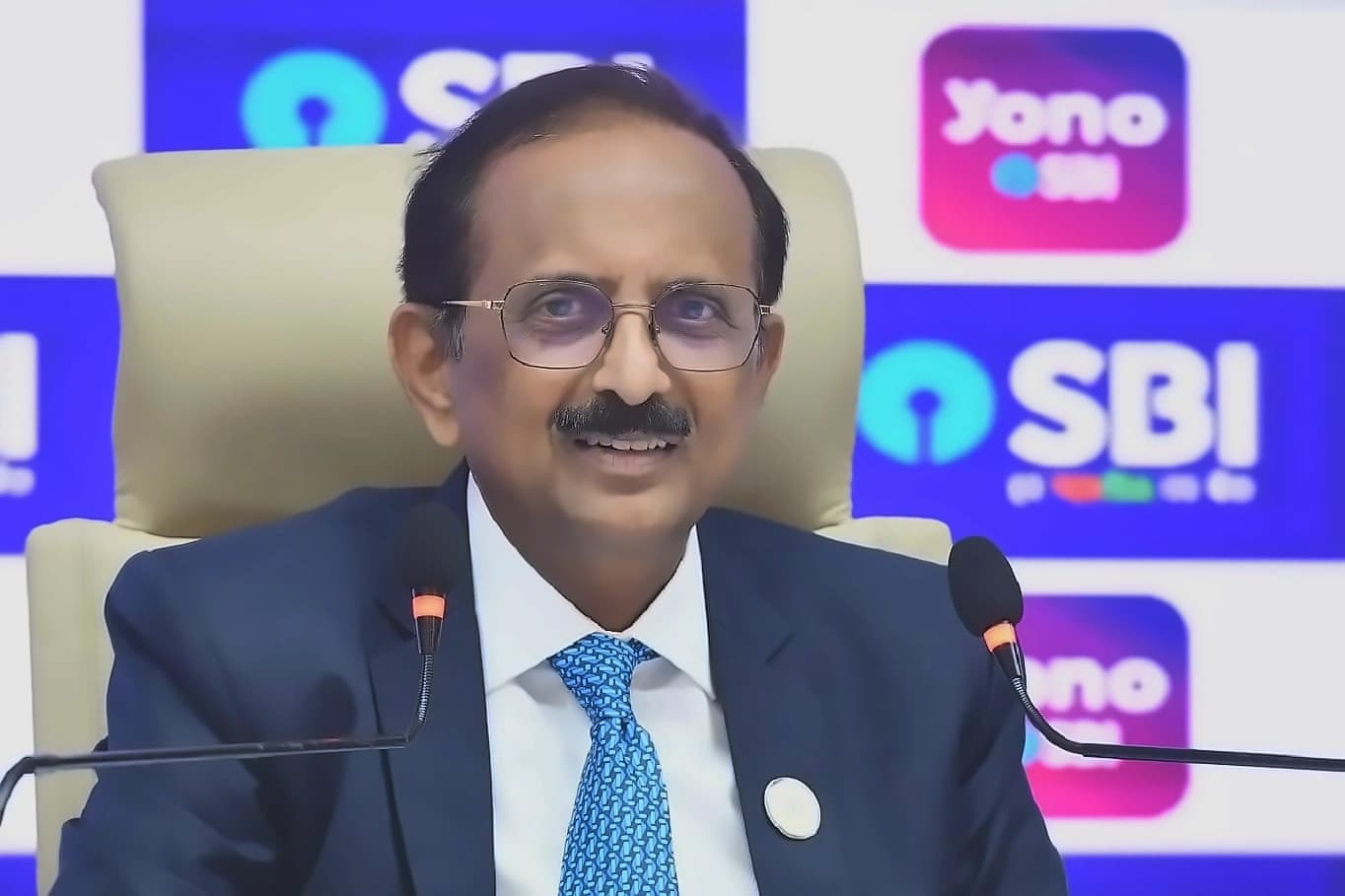
SBI Chairman CS Setty confirmed that the deluge of funds mobilised through foreign currency non-resident (FCNR(B)) deposits will be deployed by banks over the next three to four months, speaking at the Global Fintech Fest 2026 in Mumbai. As reported by The Economic Times, Setty emphasized that "I don't think the FCNR-B inflows we have gotten will lead to any sort of abnormal lending... it'll take at least three to four months to deploy these inflows into the banking system." The FCNR(B) window closed on August 31, with the inflows significantly higher than anticipated by the industry, resulting in surplus liquidity in the banking system standing at more than ₹10.50 lakh crore as of September 9. The larger-than-anticipated FCNR(B) inflows have pushed system liquidity to nearly ₹10.50 lakh crore as of September 9, with banks mobilising $127.23 billion in FCNR(B) deposits against the RBI's concessional swap facility target of $136.4 billion by August 31. Setty also indicated that he does not expect an increase in the policy repo rate at the RBI's October meeting, stating "I don't think (repo rate hike) will happen in October."
Axis Bank chief executive Amitabh Chaudhry warned that a surge in banking-system liquidity could lead to abnormal lending, as reported by The Hindu BusinessLine. However, Setty expects the excess liquidity to be absorbed over the next three to four months and does not anticipate it will distort credit growth. Chaudhry's concerns come as credit growth of about 17-18 per cent continues to outpace underlying deposit growth of 10-11 per cent, excluding FCNR(B) inflows, suggesting the surplus liquidity should gradually get absorbed. Credit excluding food loans is rising 18% year-on-year to ₹218 trillion as of 15 August, according to the latest RBI data, with Sanjay Agarwal of CareEdge Ratings noting that "Corporates are going to banks rather than the markets because market rates are high." The surplus liquidity in the banking system stood at more than ₹10 trillion on 9 September, up sharply from about ₹2.05 trillion when the scheme was announced on 5 June.
Chaudhry has cautioned that the gap between interest rates in the United States and India is very low, which could be problematic, and given geopolitical turmoil in the Gulf, the domestic currency would be under pressure. As reported by The Economic Times, he indicated that India may eventually need to raise borrowing costs as the gap with US rates narrows, with economists looking at October or December for a possible increase. The gap between the US and India has come to a level where it has not been seen for some time, creating what he describes as a problem. This contrasts with his earlier optimism that the funds will be consumed in the next couple of quarters and help in credit growth. Chaudhry also flagged the narrowing interest-rate differential between India and the US as a concern, stating "I think we are staring at some rate hike in the near future. What time it will be, I don't know, but if you read what the economists are saying, they're saying likely in October and December."
The RBI has been actively absorbing excess liquidity through variable-rate reverse repo (VRRR) auctions, announcing operations totalling ₹53.5 trillion between 6 August and 2 September, according to a 3 September report by Bank of Baroda. Given the size and persistence of the surplus, market participants believe the central bank may need to use a combination of instruments, rather than rely solely on short-term liquidity sweeps. A prolonged liquidity surplus can keep short-term interest rates below levels consistent with the RBI's monetary-policy stance, weakening the transmission of its signals and potentially encouraging lending and spending, potentially fuelling inflation and increasing risks in financial markets. As reported by The Hindu BusinessLine, Gaura Sengupta, Chief Economist at IDFC FIRST Bank, expects the overhang to persist until November-December, while Madan Sabnavis, Chief Economist, Bank of Baroda, noted that banks that raised FCNR(B) deposits at 6-6.5 per cent would seek higher-yield deployment opportunities. The RBI could wait until after GST and advance-tax outflows before taking durable liquidity absorption measures.
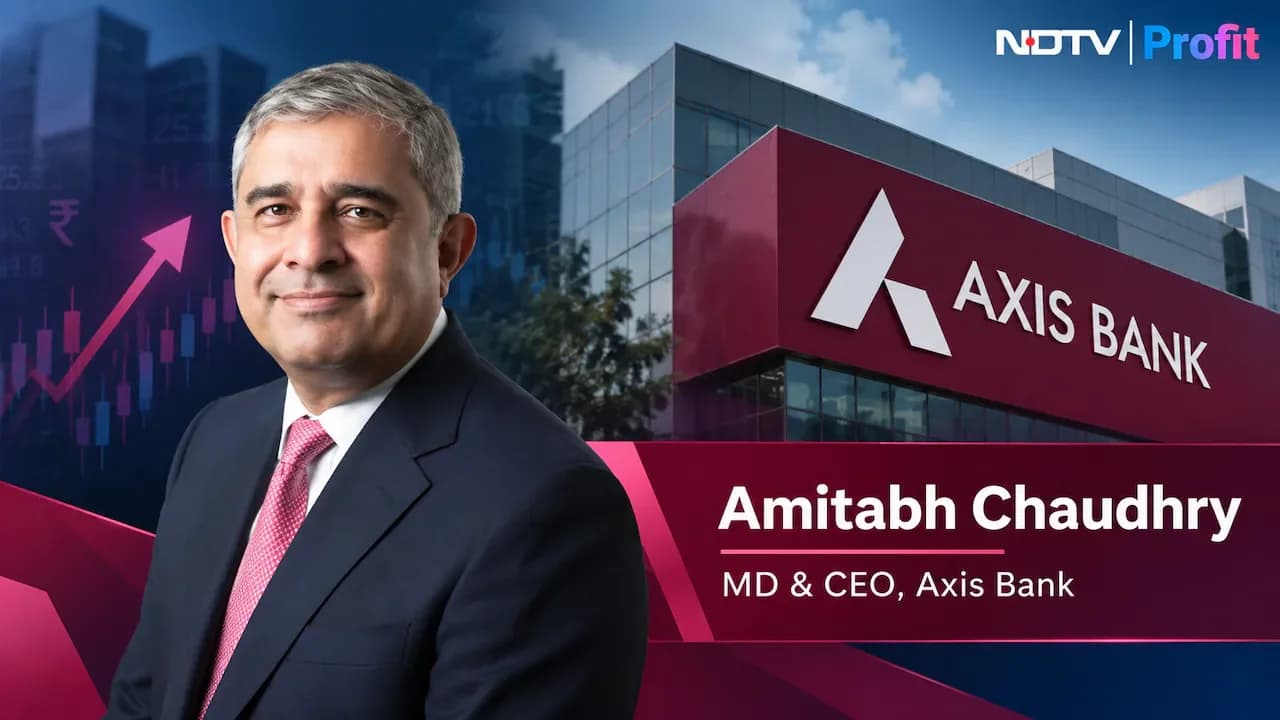
Chaudhry expects AI-led personalisation to become central to Axis Bank's business within the next four quarters, stating "In the next four quarters, I think it will become the way we do our business. Four quarters? Max." He emphasized that "If we don't do it, someone else will," referring to the use of data and AI to tailor products and services at an individual customer level. The CEO noted that scale will become even more critical as banks increasingly deploy artificial intelligence and customer data to offer personalised products and services, with larger banks having better opportunities to execute these technologies effectively. Axis Bank has already started experimenting with personalized customer journeys, though not yet at scale, and Chaudhry expects the approach to become part of its broader business model within the next four quarters. Asked about Axis Bank's participation in consolidation, Chaudhry confirmed "We always have the appetite. We believe in that."
Speaking in an exclusive interaction with ANI, SBI Chairman CS Setty highlighted rapid structural shifts in capital market infrastructure, pointing to the transition towards asset tokenisation. As reported by The Economic Times, "This is a wider movement towards tokenisation. If you remember we had done tokenisation of certificate of deposits and now this is a next instrument... market instruments are getting tokenised, it's a good beginning," Setty stated. The Reserve Bank of India launched its concessional swap facility on June 8 to attract fresh FCNR(B) deposits, external commercial borrowings, and overseas foreign currency bonds, with the scheme triggering massive foreign capital inflows, reaching USD 136.4 billion by August 31. Due to the overwhelming response, the RBI advanced the scheme's closing date to August 31, ending the window a month earlier than its original September 30 deadline.