Sign in to fuzzto save your conversations, follow your research and come back anytime.

Maruti Suzuki India Ltd is India's largest passenger car company, accounting for over 50% of the domestic car market. It is a subsidiary of Suzuki Motor Corporation of Japan, which holds 56.48% equity stake. The company manufactures, purchases, and sells motor vehicles, components, and spare parts. It has two manufacturing facilities in Gurugram and Manesar, Haryana, with a combined capacity of about 1.5 million units annually. Maruti Suzuki offers a range of vehicles through three channels: NEXA, Arena, and Commercial. Its product portfolio includes various models across different segments. The company also provides services such as pre-owned car sales, fleet management, and car financing. Maruti Suzuki has expanded its production capacity with a plant in Gujarat and is constructing a new facility in Kharkhoda, Haryana. The company has introduced hybrid and CNG vehicles and continues to launch new models and refreshed versions of existing ones.
In the news
Maruti Suzuki shares hit 18-month low, down 33% in 2026
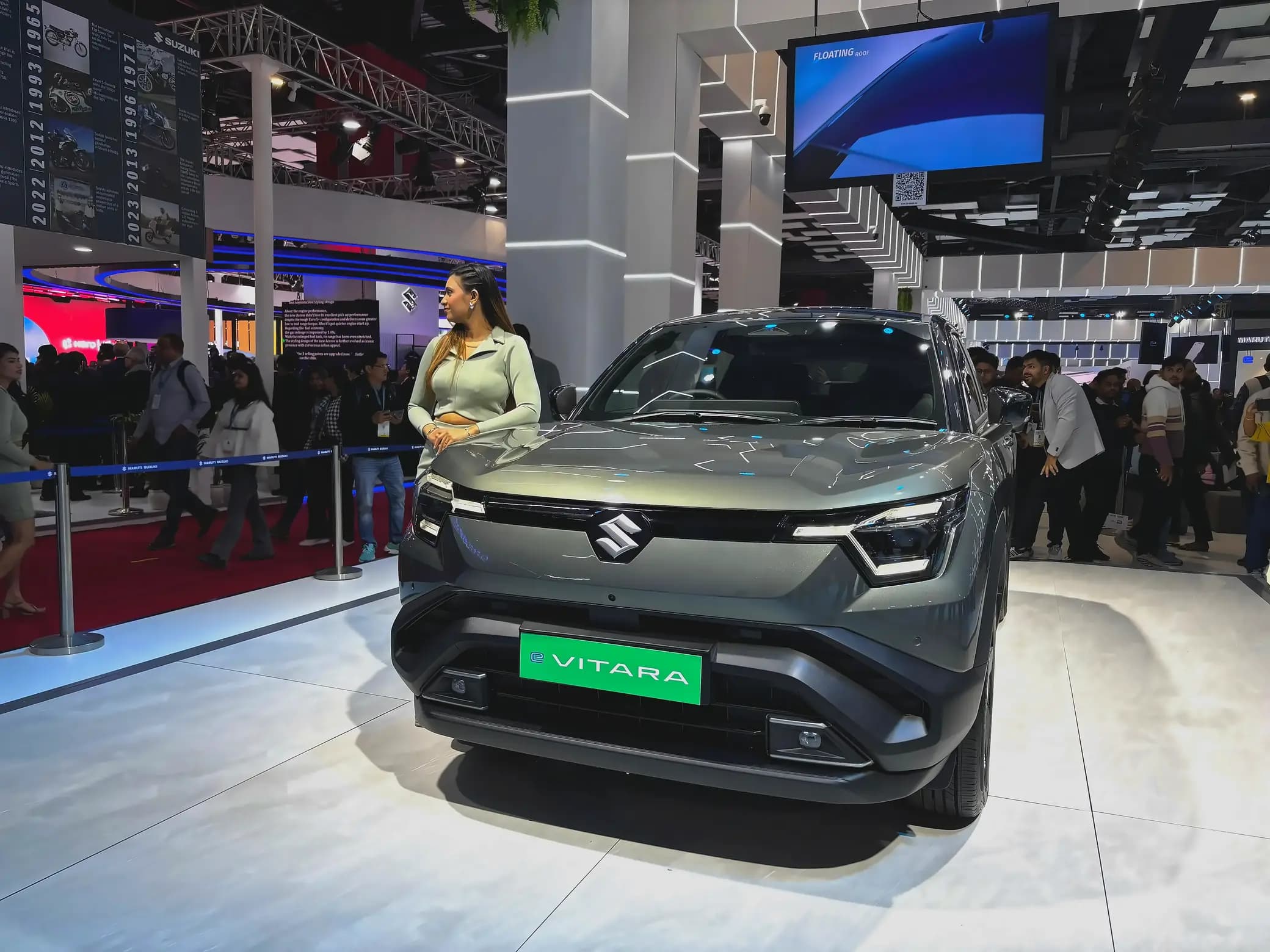
Maruti Suzuki Q2 Results: Oct 27, 2026 Declaration

Maruti Suzuki CEO Pushes Bio-CNG Over EVs for India's Green Transition

Suzuki asks India suppliers to halt weekly production for quality
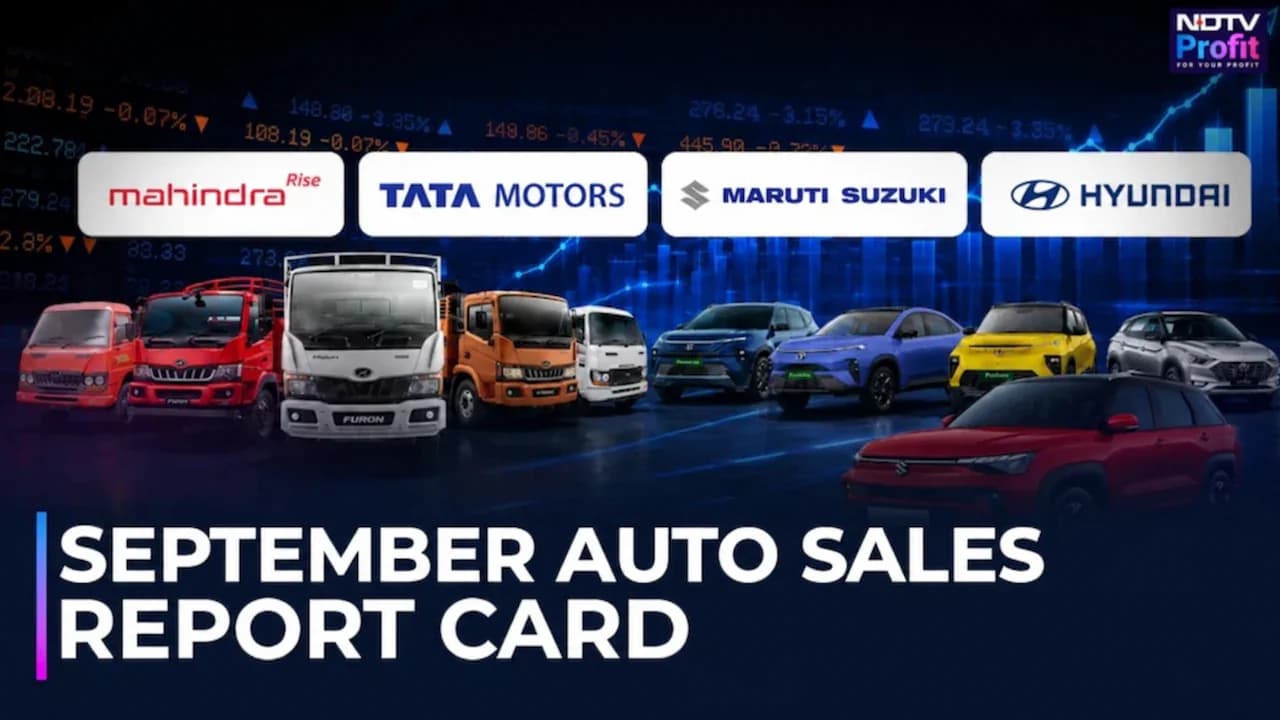
September Auto Sales Hit Record 25.37L Units, Price Hikes Raise Festive Outlook Concerns
Auto Stocks Take a Hit: Why Bajaj Crashed While M&M Held Steady
Maruti Suzuki sales surge 24% to 2.36 lakh units in September

Auto sales revival confirmed: Maruti, Hyundai boost production for festive season
CAFE-III norms finalized: Fleet-based approach favors lighter vehicles
CAFE-3 Norms: Reshaping India's Auto Industry
Suzuki's India Gamble: Speed, Safety, and Scale
Maruti Suzuki commissions first green hydrogen plant at Manesar
Maruti Suzuki calls GST 2.0 'transformative' as sales surge 36%
Maruti Suzuki's CNG-AMT Gamble: A Smart Bridge to Green Mobility
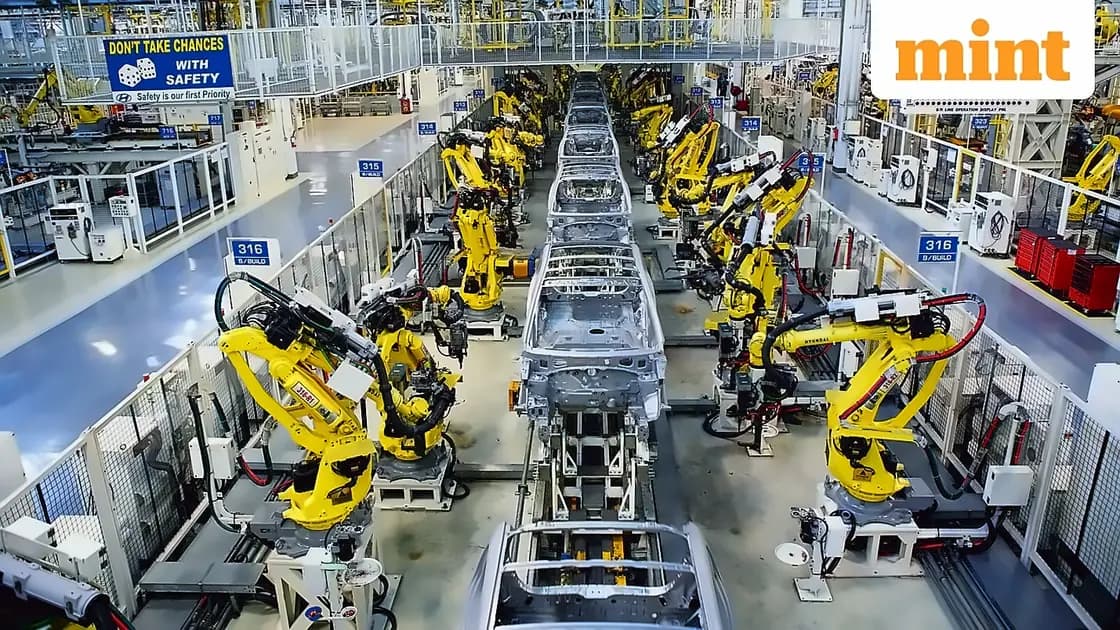
Auto firms rely on 90% temporary workers amid labor shortages
GST Rate Cuts Drive Auto Sector Revival with Small Cars Leading Recovery
Maruti Suzuki targets 1mn green vehicle sales in FY27
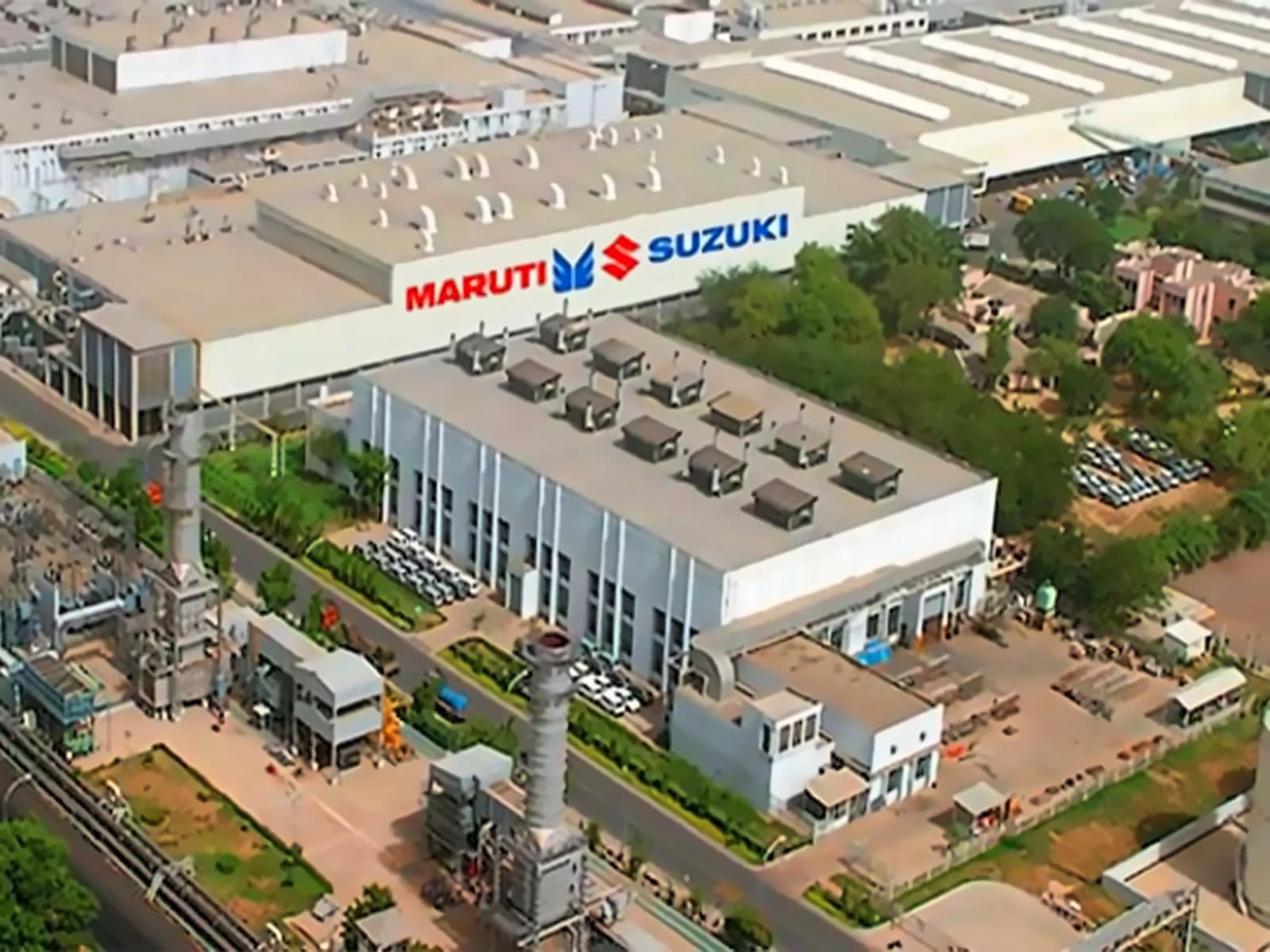
Maruti hits 1M vehicle dispatches via in-plant rail terminals
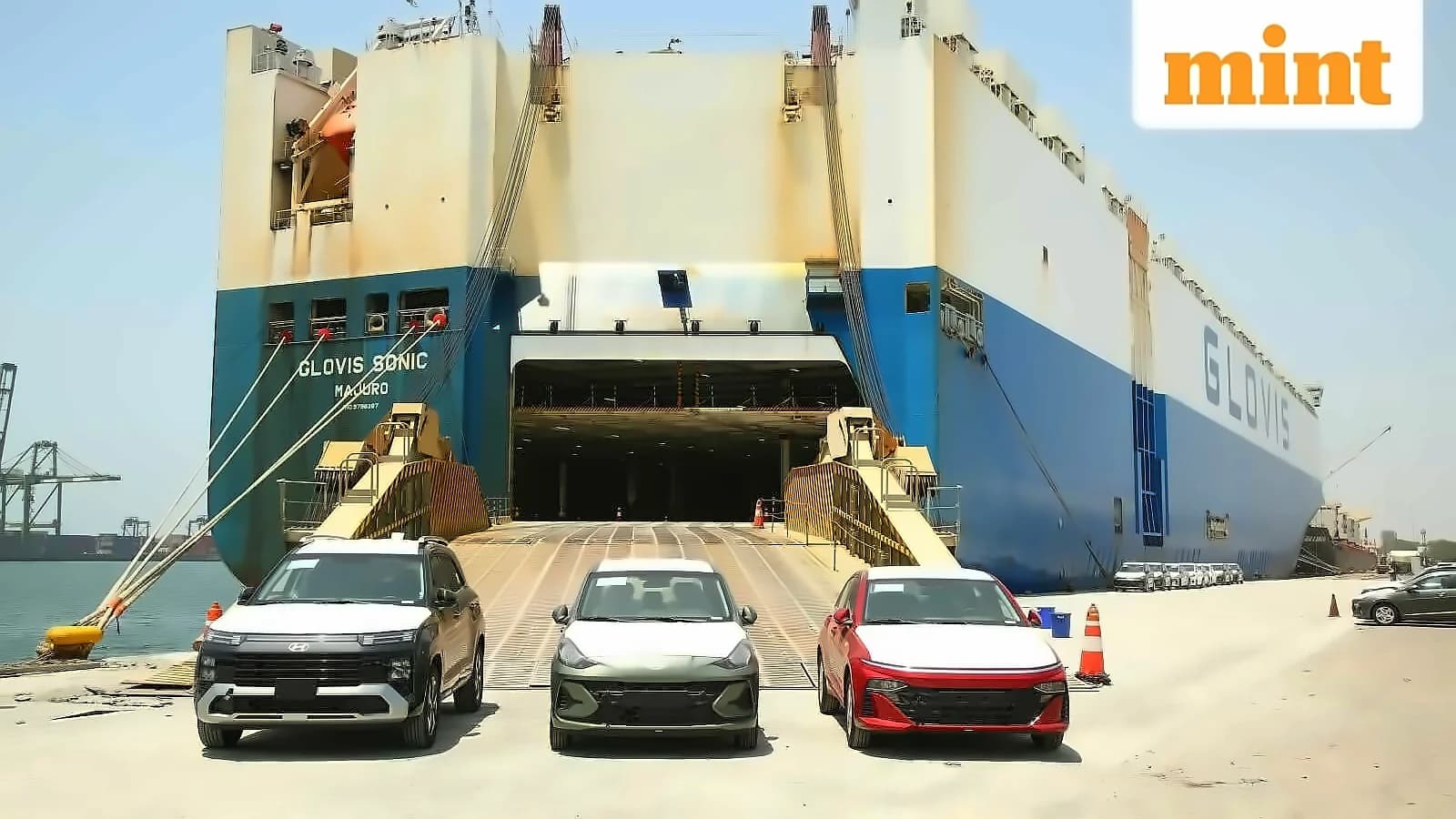
Indian Utility Vehicles Lead Exports, Eye FY27 Dominance
Maruti Suzuki ESG score upgraded to 68 in FY26
The Quarter story
The two most recent quarterly results, compared side-by-side.
Maruti Suzuki drives strong volume growth across mini and UV segments, but rising material costs and seasonal shifts are pressuring quarterly profits.
Consolidated sales volume grows from 527,861 units in Q1 FY26 to 682,724 units in Q1 FY27 — strong market demand across segments
Material cost rises from 75.5% in Q1 FY26 to 80.5% in Q1 FY27 — input inflation squeezes margins
Mini car sales rise from 19,522 units in Q1 FY26 to 43,757 units in Q1 FY27 — entry-level models drive volume growth
EBIT falls from ₹30,578 in Q1 FY26 to ₹25,311 in Q1 FY27 — seasonal cost spikes pressure operating profits
UV sales increase from 161,868 units in Q1 FY26 to 218,885 units in Q1 FY27 — utility vehicles maintain steady customer traction
PAT drops from ₹37,117 in Q1 FY26 to ₹33,521 in Q1 FY27 — net profitability faces seasonal pressure
Net sales expand from ₹366,247 to ₹499,591 from Q1 FY26 to Q1 FY27 — revenue scale holds firm
Sales to other OEMs decline from 28,807 units in Q1 FY26 to 23,181 units in Q1 FY27 — third-party manufacturing demand eases
Company insights, generated from the most recent coverage.
Maruti's share jumped to 39.7% in September 2026 from 35.1% a year earlier on 36.9% dispatch growth, led by utility vehicles up about 62%. Hyundai's expansion reads as a response to this momentum, not a trigger for Maruti's strategy.
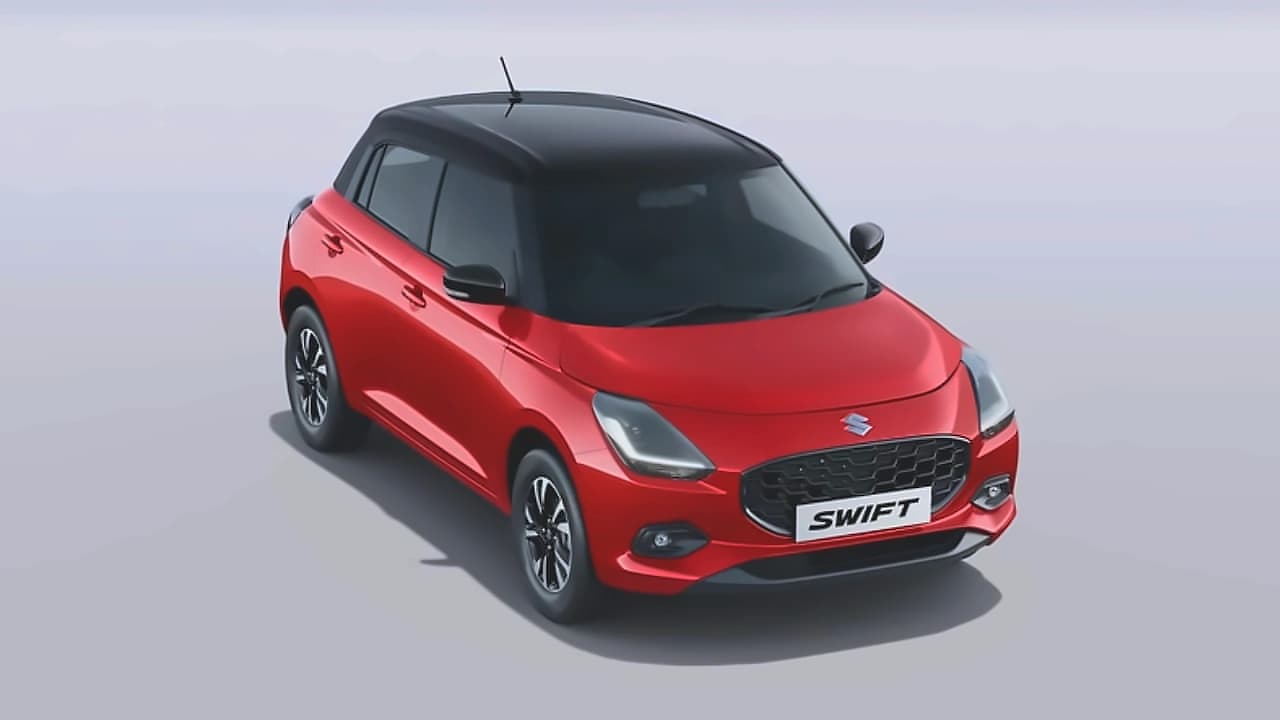
Maruti's leadership is broad-based, not model-dependent — Wagon R 20,180, Swift 19,832, Fronx 18,730 and Ertiga 18,516 units in a single month means no single launch failure can break the volume story.
Zero debt gives Maruti the cleanest balance sheet of the three large auto names, so sector-wide risk-off days hit it least — financial leverage, not sales, explains why M&M and Bajaj carry more downside beta.