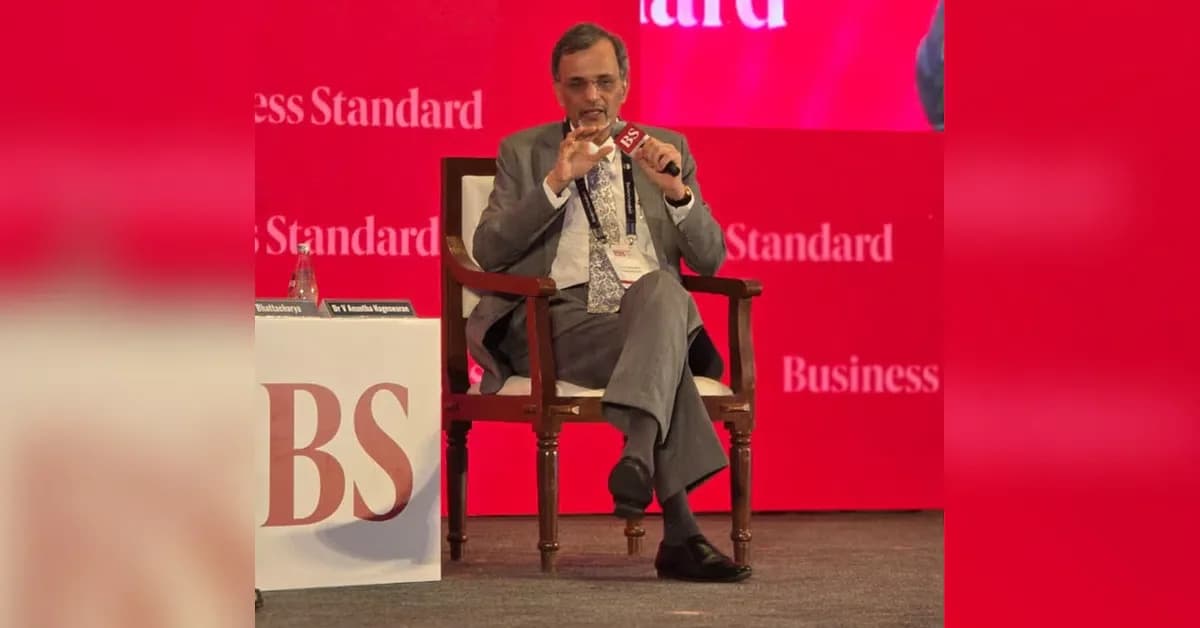
When Meta-owned WhatsApp named CRED founder Kunal Shah as its global chief executive officer, the appointment highlighted a significant trend in the technology industry. According to reports from Business Standard, Shah, 47, is a Philosophy graduate - a former humanities student who will now lead the world's largest instant messaging platform. This appointment reflects a broader shift where tech giants are increasingly hiring from liberal arts backgrounds as artificial intelligence masters complex engineering tasks. The appointment is less about Shah's educational background and more about WhatsApp's strategic focus on evolving into a commerce and payments platform from being a communication platform, as noted by HR experts.
Leaders of frontier AI companies are prioritizing humanities backgrounds and soft skills in their hiring decisions. As reported by Business Standard, Daniela Amodei, cofounder of Anthropic, stated that liberal arts education is increasingly useful in the AI era. "I think studying humanities is going to be more important than ever. Because a lot of these [AI] models are good at STEM. But there are things that make us uniquely human — and that will always be important," she said. Anthropic seeks to hire people who are communicators, have emotional quotient and are compassionate and curious, according to the company's leadership. Google DeepMind in April hired ethicist Henry Shevlin as a philosopher to "work on machine consciousness, human-AI relationships, and AGI [artificial general intelligence] readiness," according to the scholar.
India's AI ecosystem is reflecting this global shift with dramatic changes in hiring patterns. Data from foundit shows the share of technology jobs that don't require a degree increased from 4% in FY23 to 17% in FY26, while hiring for non-technical roles has grown by more than 20% in FY26. According to foundit's Anupama Bhimrajka, VP marketing, "The rise of generative AI is reshaping traditional hiring patterns, creating opportunities for professionals beyond conventional engineering backgrounds. AI-native firms and technology companies are increasingly hiring graduates from humanities, liberal arts and social sciences for roles that require creativity, communication, critical thinking and human-centric problem-solving." Meta's Santosh Janardhan, senior VP for infrastructure, told Business Standard that the company places greater emphasis on non-technical skills, particularly resilience and adaptability - qualities that are difficult to measure through traditional metrics.

The argument for hiring humanities graduates gains strength from the need to focus on ethics and spot biases in AI development. A report by The Economist, citing data from the Federal Reserve Bank of New York, found that students graduating with a Philosophy degree in the US are more likely to get a job than a computer science student. This trend has led to the emergence of prompt engineer roles, which require natural language expertise along with technology expertise, becoming sought-after positions in the AI age. The rise of AI has created new challenges as some academics and independent researchers have sounded the alarm on artificial intelligence, with concerns raised about infringement on author rights, environmental costs, and surveillance applications.
The MLA Task Force on AI in Research and Teaching has developed a comprehensive framework to guide humanities scholars through the AI revolution. According to the task force's latest report, AI literacy serves as the critical foundation for informed and ethical AI use, moving beyond operational skills to encompass scholars' critical awareness of their positions in relation to AI technologies. The framework emphasizes human-centered expertise and responsibility, asking scholars to consider bias, privacy, and transparency as situated ethical problems rather than technical roadblocks. This approach seeks to resist the structural dehumanization of higher education while acknowledging that AI tools are reshaping academic work faster than disciplinary norms can respond. The framework emerges from three interrelated areas—AI literacy, human-centered expertise, and responsibility and ethics—organized into thematic questions to guide discussion and critical reflection.